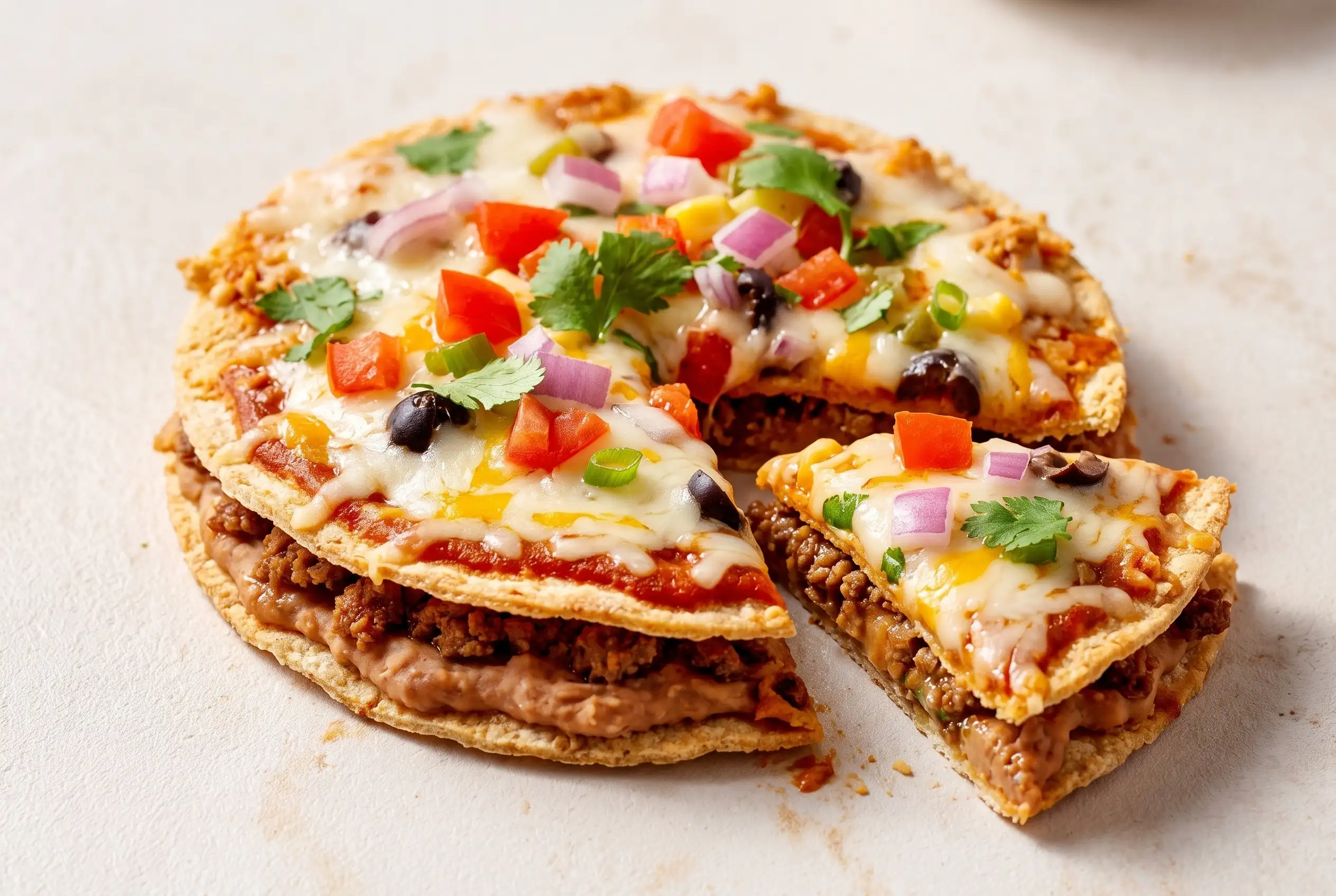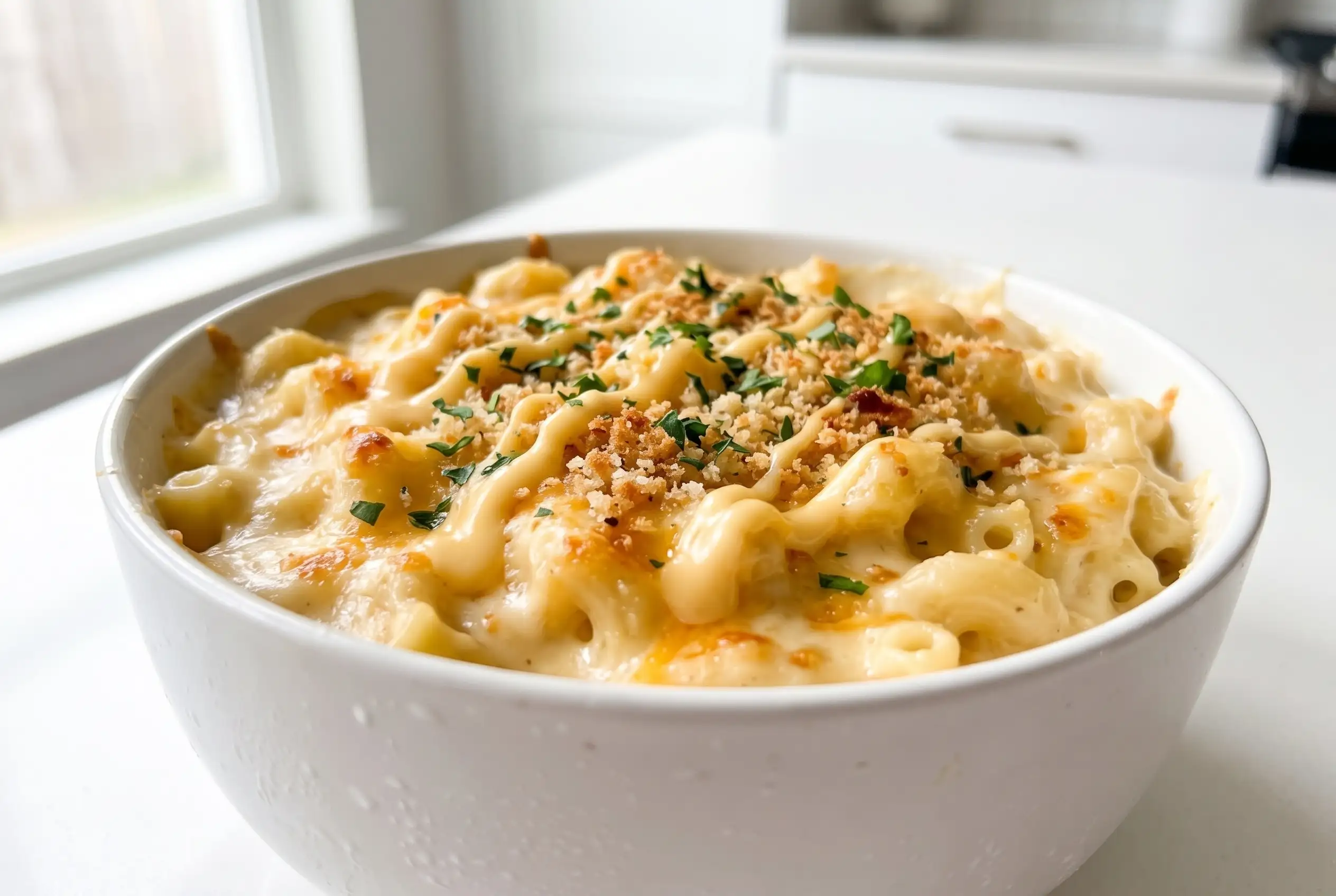
Creamy Beef Bowtie Pasta with Parmesan and Garlic
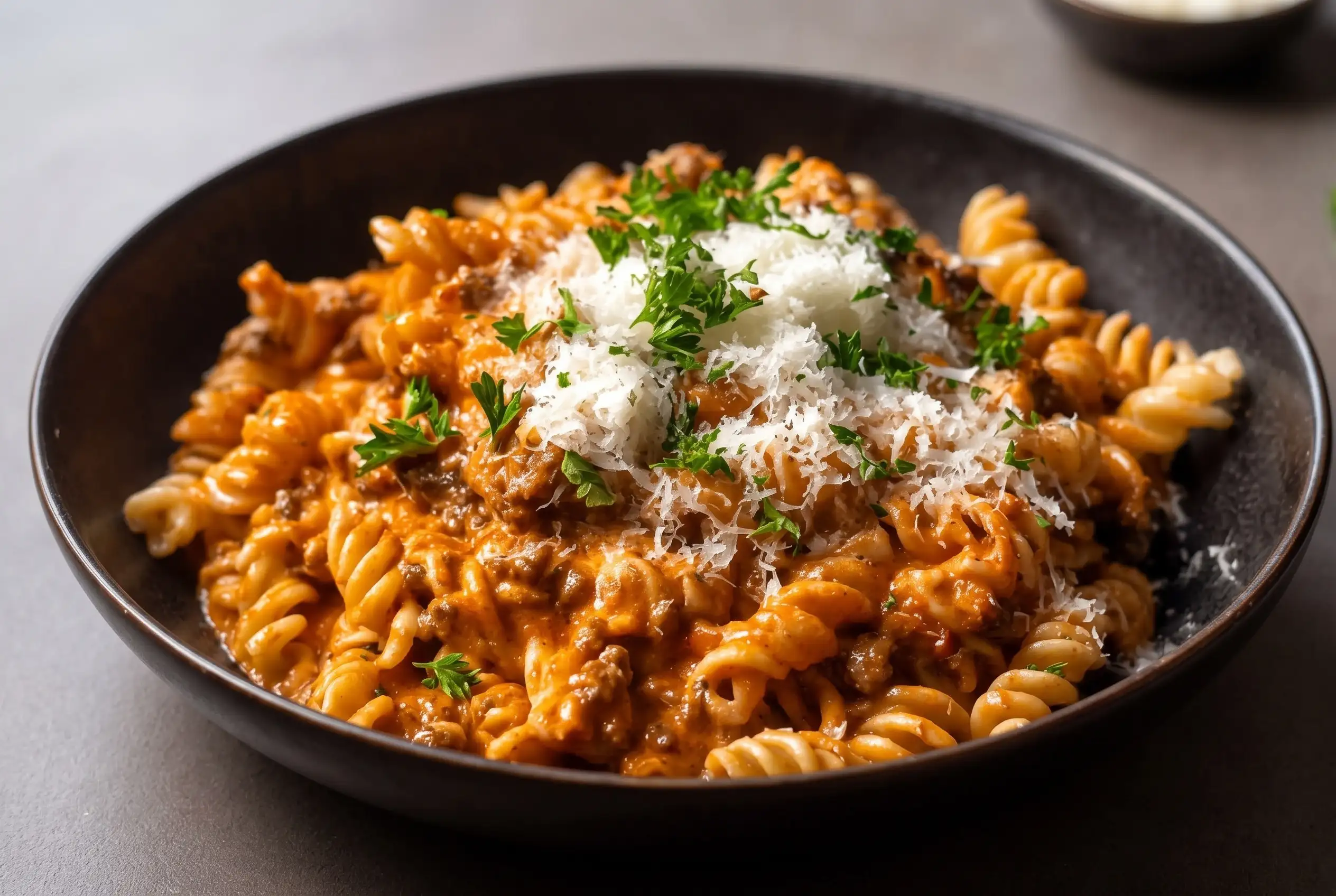
Creamy beef bowtie pasta brings together browned ground beef, tender bowtie pasta, garlic, onion, Parmesan, and a smooth creamy sauce in a skillet-friendly dinner. Worcestershire sauce, Italian seasoning, smoked paprika, and red pepper flakes give the beef a savory, lightly smoky character, while butter, Parmesan, and half and half create a rich coating for the pasta.
The bowtie shape makes the dish especially satisfying because its folds and edges hold onto the creamy sauce. With familiar ingredients and a straightforward cooking process, creamy beef bowtie pasta fits a family dinner when you want something hearty without a complicated preparation.
What Makes Creamy Beef Bowtie Pasta Work
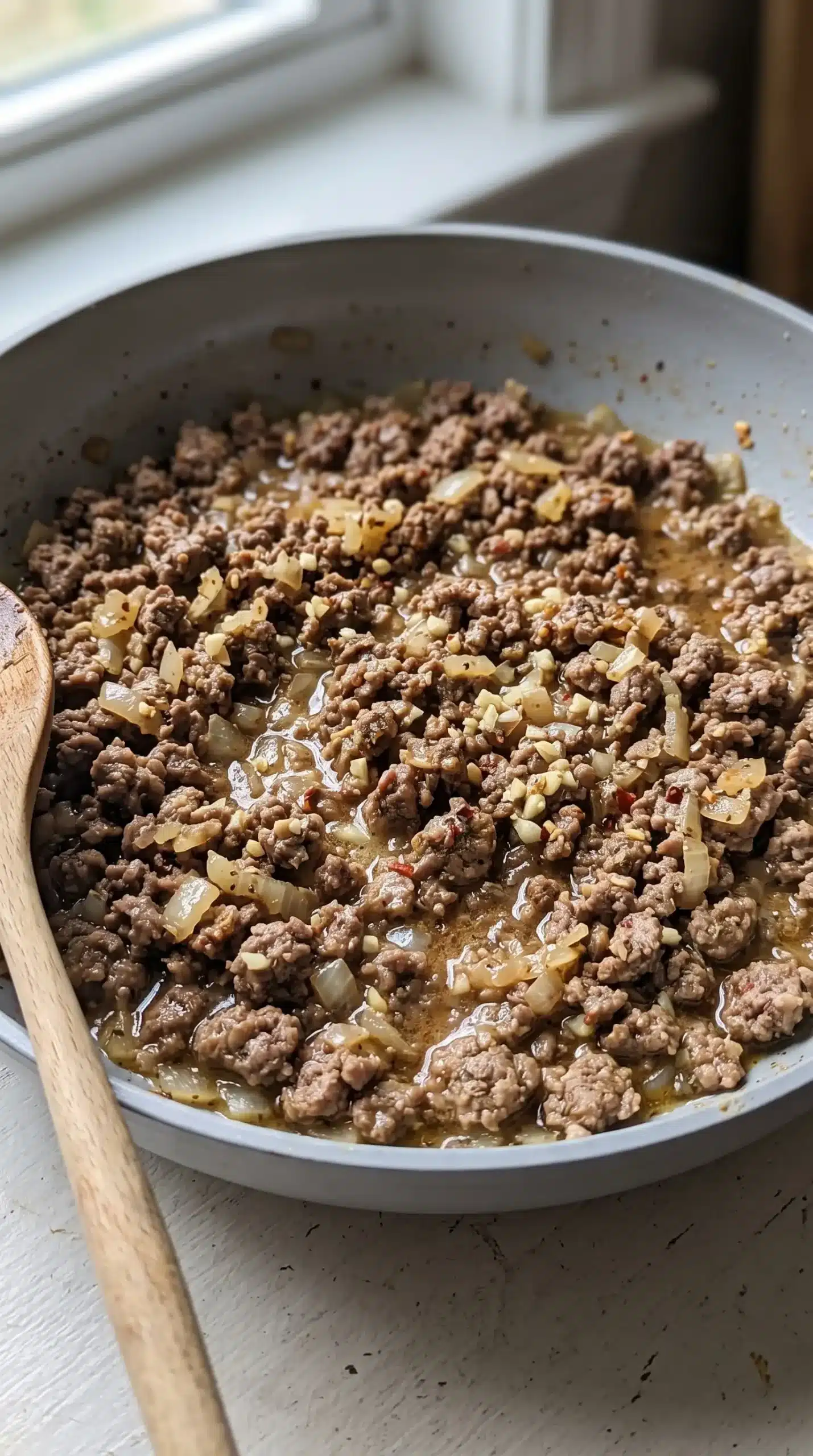
The strongest feature of the dish is the way the beef and sauce are built in the same skillet. Browning the ground beef first creates the savory base, while onion and garlic soften alongside it before the seasonings are introduced. Worcestershire sauce adds another layer of savory flavor, and smoked paprika gives the mixture a subtle smoky note.
Beef broth then brings those flavors into the sauce while the skillet mixture simmers and reduces slightly. Butter contributes richness, and the combination of half and half with freshly grated Parmesan turns the seasoned broth into a creamy sauce that can coat the cooked pasta.
Garlic, Parmesan, and Beef Build the Flavor Base
Fresh garlic is one of the defining flavors here, with five to six minced cloves used alongside a small finely chopped onion. Cooking both with the browned beef for a few minutes allows the onion to soften and the garlic to become fragrant before the liquid is added. Keeping the garlic prominent gives the finished dish a savory character reminiscent of creamy garlic butter pasta while preserving the Parmesan-based sauce.
Freshly grated Parmesan matters at the sauce stage because it is stirred into the warm half-and-half mixture until melted. Worcestershire sauce, Italian seasoning, smoked paprika, black pepper, and red pepper flakes then give the creamy Parmesan beef pasta a savory, seasoned profile without requiring a long list of spices.
| Flavor component | Where it enters | What to watch for |
|---|---|---|
| Garlic and onion | With the browned beef | Onion should soften and garlic should become fragrant |
| Worcestershire sauce | After the aromatics cook | Stir it through the beef mixture with the dry seasonings |
| Smoked paprika and Italian seasoning | After garlic and onion | Give the mixture a minute to combine |
| Parmesan | After the broth reduces and dairy is added | Stir until the cheese melts into the sauce |
Bowtie Pasta Gives the Creamy Sauce Plenty to Hold
Bowtie pasta, also known as farfalle, or “bowties”, is a natural match for the sauce because its folded shape gives the creamy mixture places to cling. The pasta is cooked separately according to the package instructions, then drained before it joins the skillet.
Keeping the pasta separate during the broth-reduction stage also makes the cooking sequence easier to control. Once the Parmesan sauce has become creamy, the cooked bowties can be added and tossed until the sauce is distributed evenly.
The Broth Reduction Sets Up the Creamy Texture
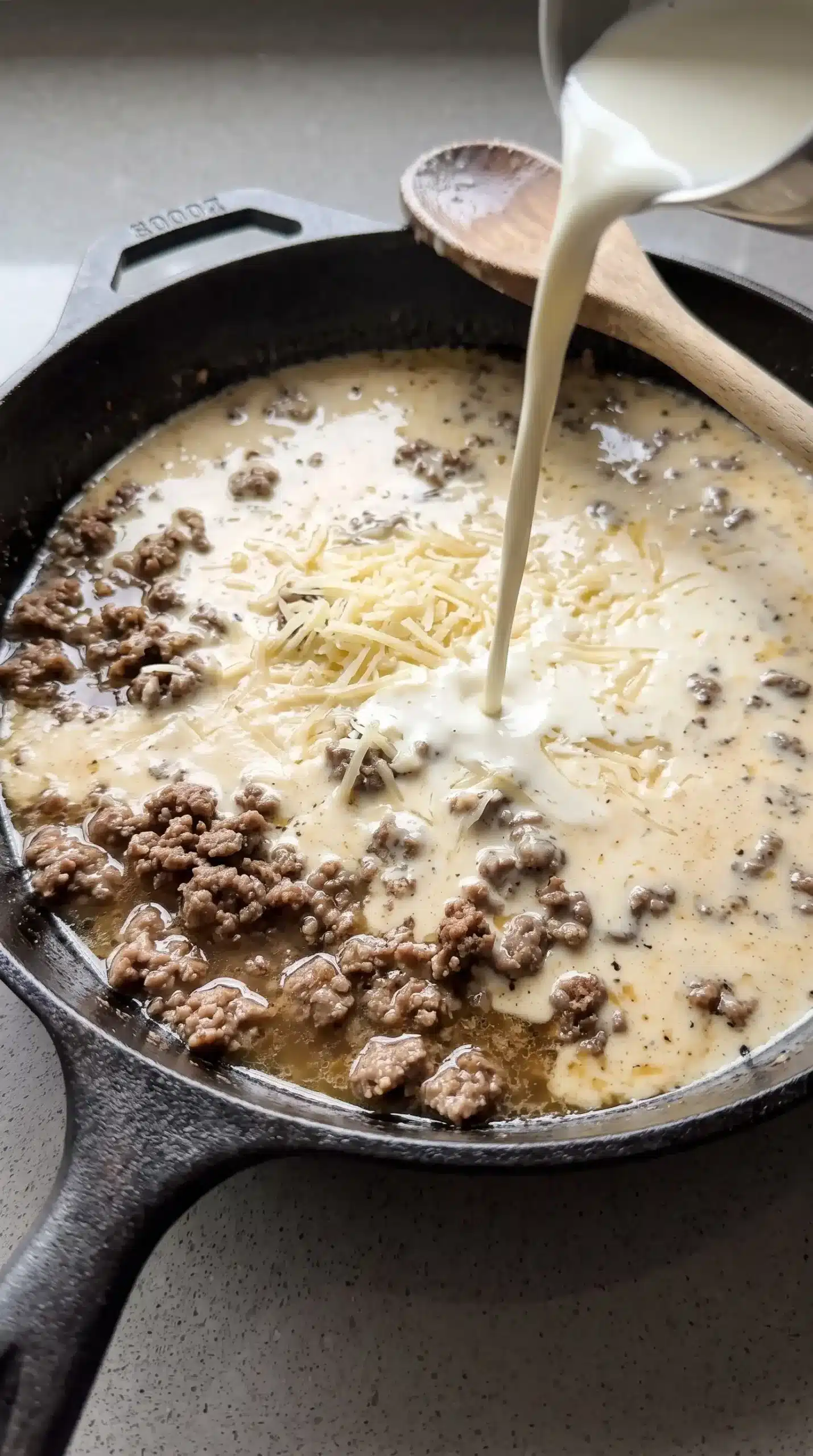
After butter melts into the beef mixture, three cups of beef broth are added and brought to a simmer. The liquid cooks for three to four minutes, reducing slightly before the dairy and cheese go in. That short reduction is an important control point because the sauce needs to move from a seasoned broth toward a concentrated base for the creamy mixture.
Once the broth has reduced, half and half or whole milk is stirred in. Freshly grated Parmesan follows, and the mixture is stirred until the cheese melts. Keeping your attention on the skillet at this point helps you recognize when the ingredients have combined into a creamy sauce suitable for coating the pasta.
Keep the Beef Mixture Balanced Before Adding Pasta
Ground beef should be broken apart as it cooks so the browned pieces distribute through the finished pasta. If excess fat remains after browning, it can be drained before the onion and garlic are added. That leaves the skillet ready for the aromatics, seasonings, butter, and broth.
- Brown thoroughly: Break the beef apart as it cooks and drain excess fat when necessary.
- Soften the aromatics: Give the onion and garlic their short cooking period before introducing the liquid.
- Season in stages: Add Worcestershire sauce, Italian seasoning, and smoked paprika before the broth so their flavors combine with the beef.
- Coat at the end: Add the cooked bowties only after the creamy Parmesan sauce has formed.
Common Creamy Beef Bowtie Pasta Mistakes to Avoid
Adding the pasta before the sauce is ready can make it harder to judge the sauce’s consistency. The supplied cooking sequence keeps the bowties separate while the broth reduces and the dairy and Parmesan are incorporated. Waiting until the sauce is creamy makes the final tossing stage much more controlled.
Another avoidable problem is rushing the garlic and onion stage. They need two to three minutes with the beef so the onion becomes soft and translucent and the garlic turns fragrant. Moving immediately to the broth would skip that specific cooking cue.
Overlooking seasoning balance can also change the character of the finished skillet. Salt should be adjusted to taste after the Parmesan and other seasonings are incorporated, while black pepper and red pepper flakes are added at the sauce stage. More red pepper flakes can be used when a hotter result is wanted.
Red Pepper Flakes Let the Sauce Lean Mild or Spicy
The recipe uses red pepper flakes as a finishing seasoning for the sauce, alongside salt and black pepper. That placement makes the heat easy to adjust before the pasta is tossed through the skillet.
For a stronger kick, additional red pepper flakes or a dash of hot sauce can be added to the creamy sauce. Keeping the heat adjustable at this point means the rest of the dish can retain its garlic, Parmesan, and beef character without making the entire skillet aggressively spicy.
Simple Vegetable Additions Change the Balance
Spinach and bell peppers are both suggested additions when you want vegetables in the skillet. They can be incorporated as a variation without changing the central combination of seasoned beef, creamy Parmesan sauce, and bowtie pasta.
A meat-free version is also possible with plant-based ground meat, or the meat can be skipped and more vegetables added. Different pasta shapes can work as well, although bowtie pasta is particularly suited to holding the creamy sauce.
Serving Creamy Beef Bowtie Pasta at Its Best
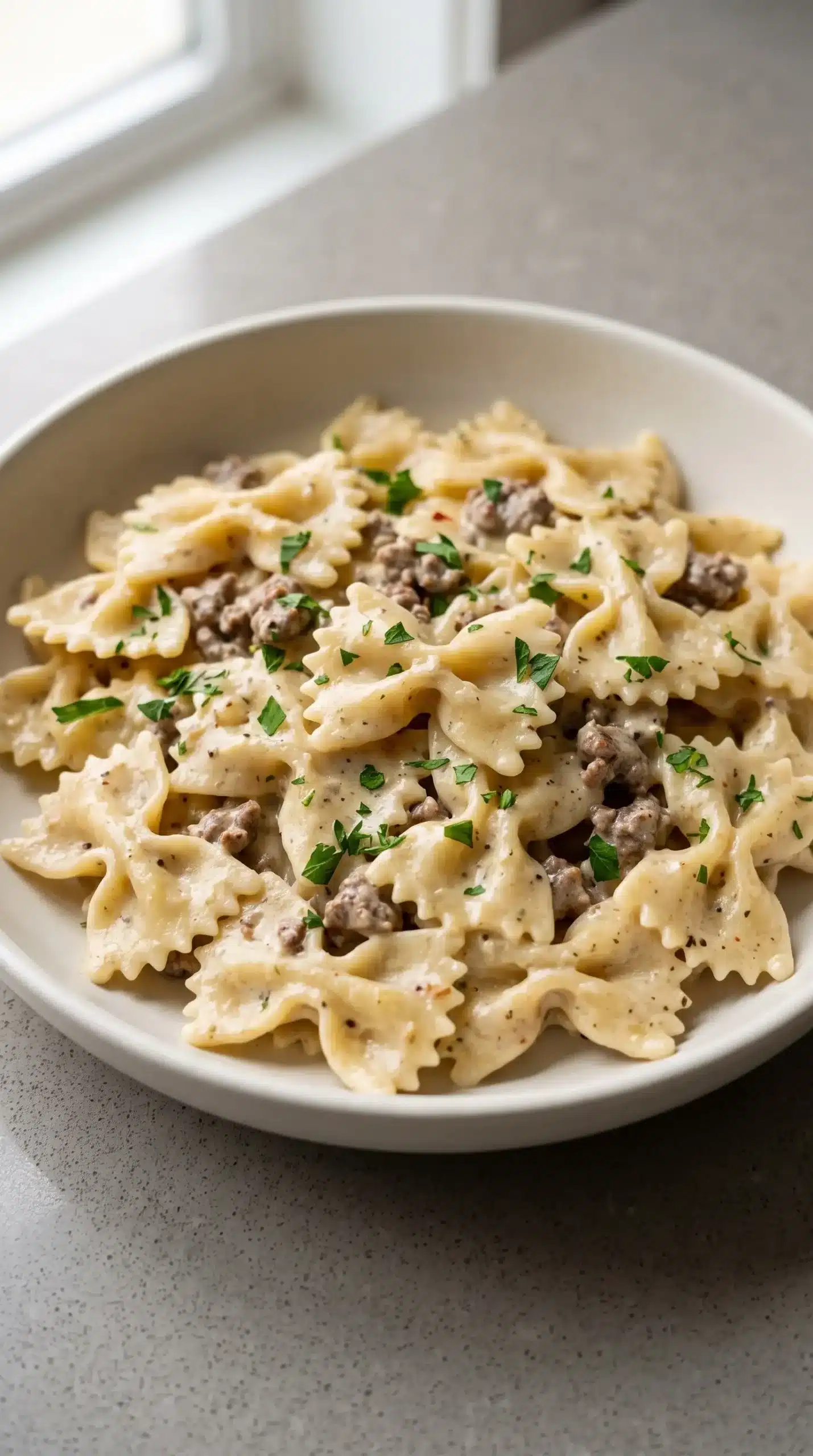
Serve the pasta hot after the cooked bowties have been thoroughly tossed with the sauce. Freshly chopped parsley provides a bright finishing touch, adding color and freshness to the creamy skillet.
A side salad or garlic bread fits naturally beside the pasta. The salad offers a fresh contrast to the rich main dish, while garlic bread reinforces the savory garlic profile already present in the sauce.
Leftover Pasta Keeps Well When Stored Properly
Leftovers should be transferred to an airtight container and stored in the refrigerator. The supplied storage guidance gives them a refrigerator life of about three to four days.
When reheating, use either the microwave or stovetop and heat the pasta until hot. Keeping the leftovers sealed while refrigerated helps maintain their freshness until they are ready to be served again.
Easy Ingredient Swaps Keep the Dish Flexible
Ground turkey or ground chicken can replace the beef when you want a different protein. The seasonings, creamy Parmesan element, and bowtie pasta still provide the core character of the dish.
| Change | Suitable option | Resulting direction |
|---|---|---|
| Protein | Ground turkey or chicken | A lighter alternative to ground beef |
| Milk component | Whole milk | Maintains the creamy sauce approach |
| Pasta shape | Another pasta variety | Works when a different shape is preferred |
| Meat-free approach | Plant-based ground meat or extra vegetables | Creates a vegetarian variation |
| Sauce direction | Tomato-based sauce | Moves the dish away from its creamy Parmesan profile |
Why the Finished Skillet Feels So Satisfying
Ground beef supplies protein, while pasta contributes carbohydrates for energy. Garlic and onion add vegetables to the combination, and the milk and Parmesan used in the creamy sauce provide calcium.
The result is a filling meal built around several substantial components rather than a sauce alone. The beef, pasta, cheese, dairy, aromatics, and seasonings each remain recognizable while coming together in one creamy skillet.
One Skillet Judgment Makes the Creamy Sauce Come Together
The creamy sauce should be fully formed before the cooked bowties enter the skillet. Once the broth has reduced slightly, the half and half and Parmesan need enough stirring to become creamy, with the cheese melted into the warm mixture.
That timing gives the pasta a finished sauce to absorb and coat instead of asking the bowties to become part of the sauce-making process. From there, an even toss and a little fresh parsley are enough to bring the garlic, seasoned beef, Parmesan, and pasta together.
Answers to Creamy Beef Bowtie Pasta Sauce Questions
Can another pasta shape replace bowtie pasta?
Yes. Other pasta varieties can be used when preferred, although bowtie pasta is especially well suited to the creamy sauce because of its shape. Choose another pasta when availability or preference calls for it, then cook it according to its package instructions before combining it with the finished sauce.
What can replace half and half in the creamy sauce?
Whole milk is the stated alternative to half and half. Both fit the same stage of preparation: the dairy is added after the beef broth has reduced slightly, followed by freshly grated Parmesan. Stir the mixture until the cheese melts and the sauce becomes creamy.
How can the beef pasta be made less spicy?
The red pepper flakes are the easiest element to adjust for heat. Use less than the listed amount when a milder flavor is desired, since the flakes are added with the salt and black pepper after the Parmesan sauce has formed.
Can vegetables be added without changing the main dish?
Spinach and bell peppers are suitable additions. They provide a way to bring vegetables into the skillet while keeping the seasoned beef, creamy Parmesan sauce, and pasta as the central combination.
Can the dish be made vegetarian?
A vegetarian version can use plant-based ground meat, or the meat can be omitted and replaced with additional vegetables. Either approach changes the protein component while leaving room for the creamy Parmesan sauce and pasta to remain central.
How long can leftovers stay refrigerated?
Refrigerated leftovers can be kept for about three to four days in an airtight container. Reheat them in the microwave or on the stovetop until hot before serving.
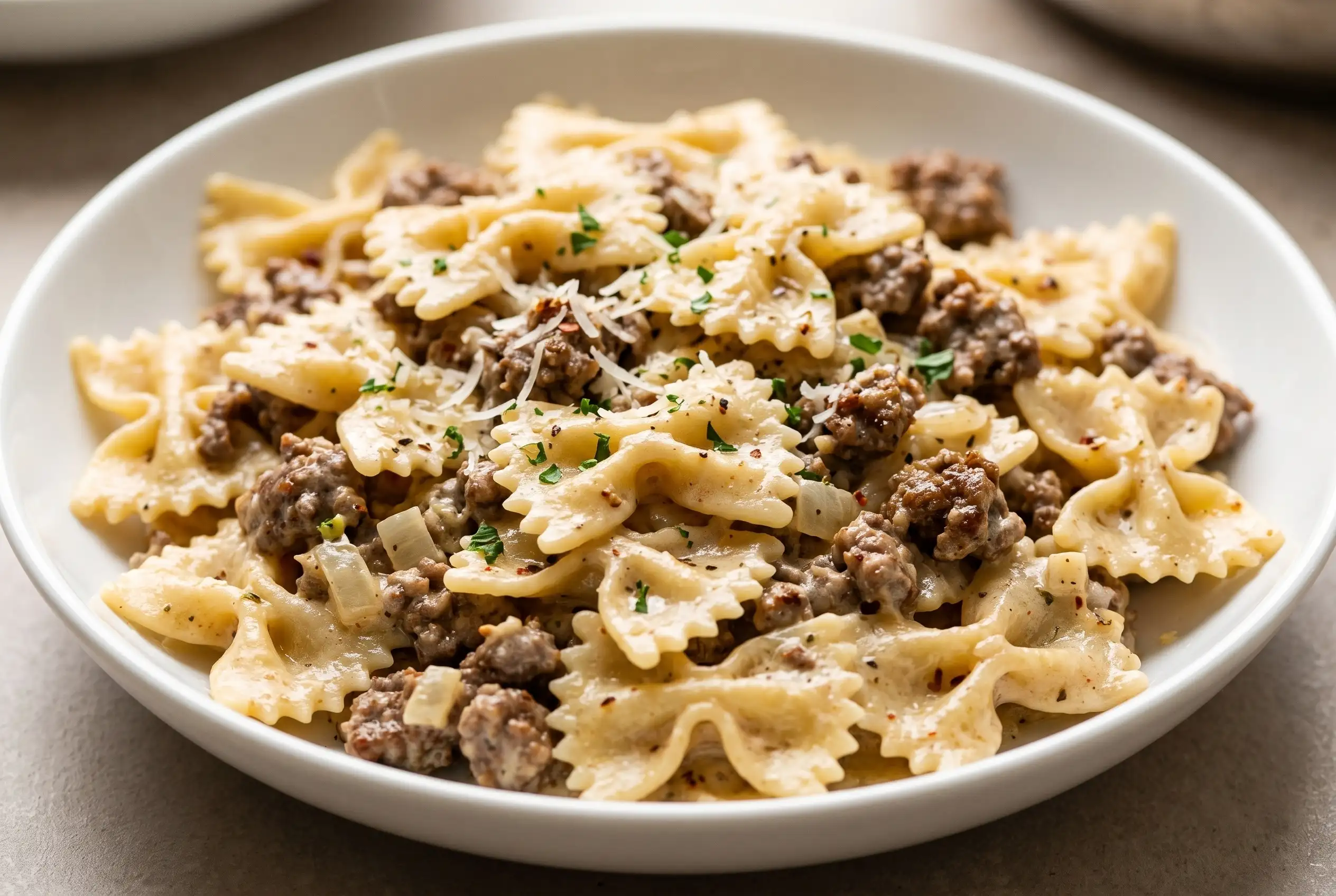
Creamy Beef Bowtie Pasta with Parmesan and Garlic
Ingredients
Method
- Warm the olive oil in a large skillet over medium-high heat. Add the ground beef and cook until browned, breaking it into smaller pieces as it cooks. Drain excess fat if needed.
- Add the chopped onion and minced garlic to the beef. Cook for 2–3 minutes, until the onion is soft and translucent and the garlic is fragrant.
- Mix in the Worcestershire sauce, Italian seasoning, and smoked paprika. Cook for 1 minute.
- Add the butter and allow it to melt. Pour in the beef broth, bring to a simmer, and cook for 3–4 minutes to reduce slightly.
- While the broth is simmering, cook the bowtie pasta in a separate pot according to the package instructions. Drain and set aside.
- Pour the half-and-half or whole milk into the reduced broth mixture. Add the grated Parmesan and stir until melted into a creamy sauce.
- Season with salt, black pepper, and red pepper flakes. Stir well and cook for another 2–3 minutes.
- Add the cooked bowtie pasta to the skillet and toss until evenly coated in the creamy beef and Parmesan sauce.
- Serve the pasta hot and finish with the chopped fresh parsley.