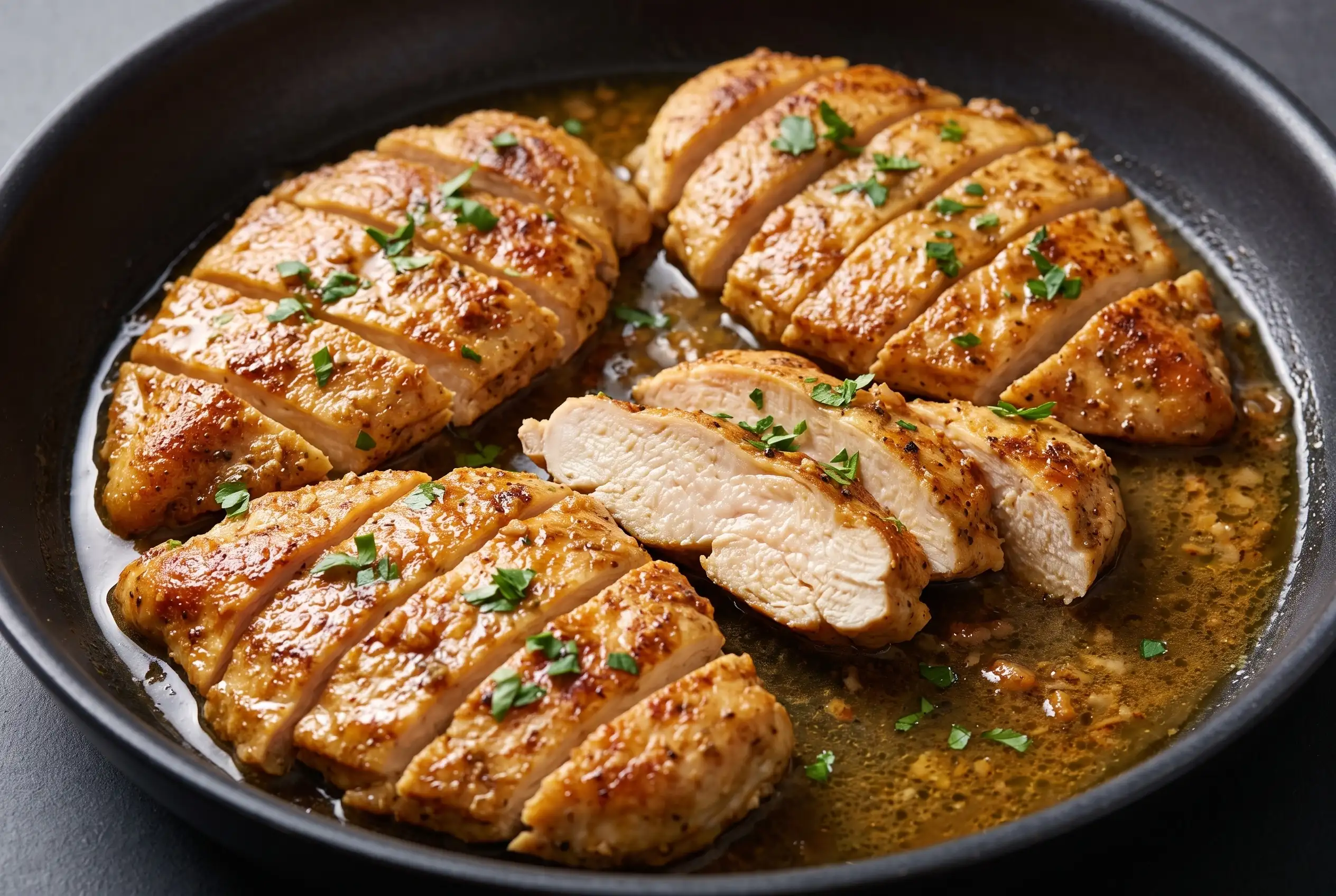
Lemon Pepper Chicken with Garlic and Fresh Parsley
Lemon Pepper Chicken brings buttery garlic, bright lemon flavor, and peppery seasoning together with tender chicken breasts for an easy dinner that feels polished without becoming complicated. The chicken is seasoned, browned in an oven-safe skillet, then finished in the oven, giving the dish a flavorful surface while keeping the center juicy. Fresh parsley adds a simple finish, and a little lemon juice at serving time can sharpen the flavors even more.
An easy lemon pepper chicken dinner works especially well when you want a straightforward main dish with flexible sides. Steamed vegetables, mashed potatoes, roasted potatoes, rice, and a crisp green salad can all work alongside it, so the same skillet chicken can fit several different meals.
Lemon Pepper Chicken Builds Flavor in Three Stages
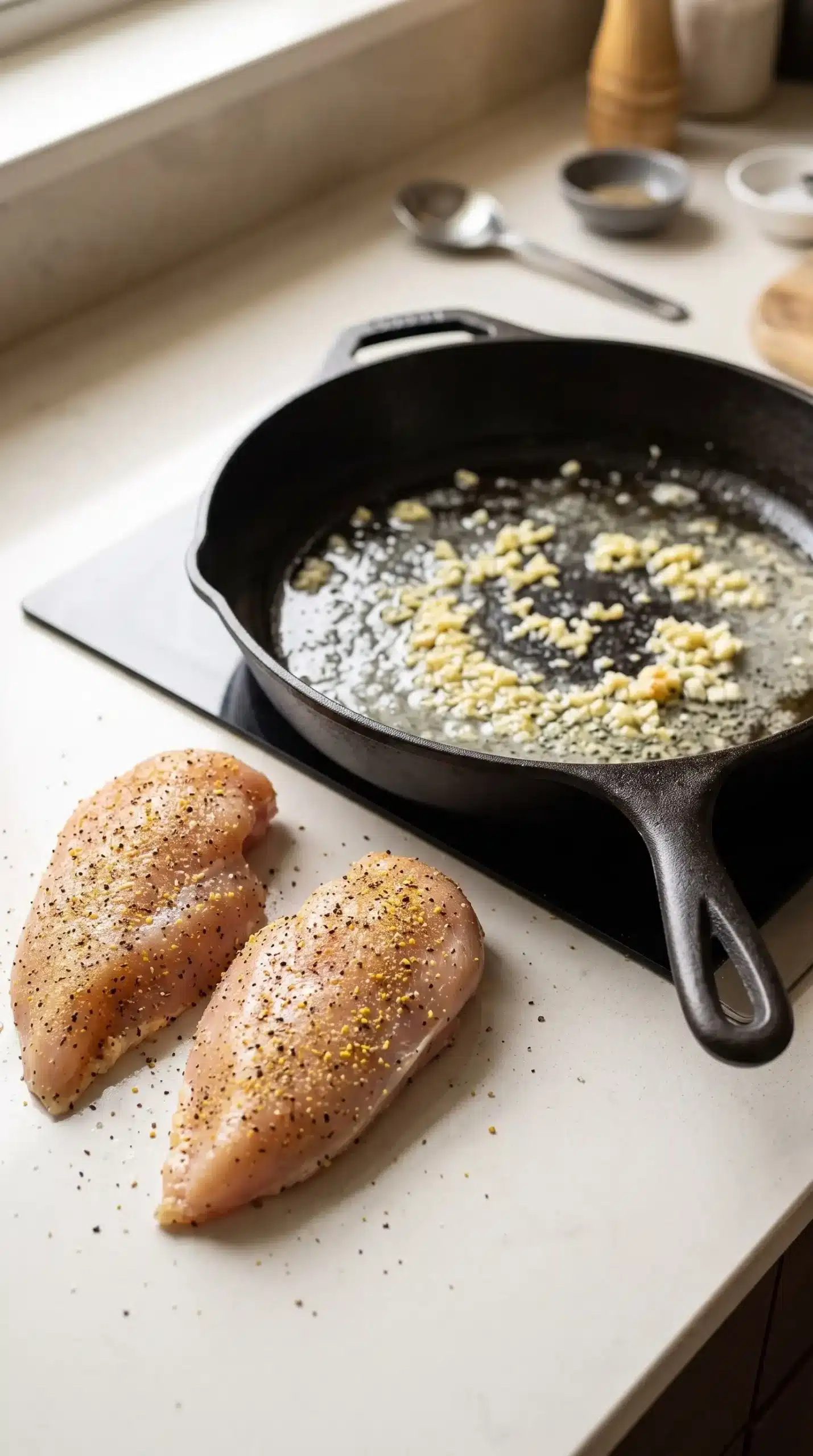
Seasoning, browning, and oven cooking each have a clear purpose here. Lemon pepper seasoning establishes the main flavor, while salt and freshly ground black pepper give the chicken additional seasoning. Browning in butter creates the savory character associated with the skillet, and the oven brings the chicken through to doneness.
Garlic joins the butter before the chicken enters the pan, allowing its aroma to spread through the cooking fat. The garlic needs only a brief time over the heat because it can burn if left unattended. Stirring while it cooks keeps the minced pieces moving and makes it easier to catch them before they darken too much.
Once the skillet moves into the oven, the process becomes more hands-off. The chicken continues cooking after the exterior has browned, and resting afterward gives the juices time to redistribute. That combination is what makes the lemon pepper chicken recipe practical for a weeknight while still producing a satisfying finished dish.
The Chicken Cut Determines How Evenly It Cooks
Chicken breasts are the specified cut, but their thickness can vary considerably. When a breast is especially thick, lightly pounding it can create a more even shape so the meat cooks more consistently from edge to center. For another focused preparation using this cut, chicken breast recipe keeps the main protein front and center while you choose the cooking details that suit your meal.
Uniform thickness also makes the skillet-to-oven approach easier to manage. Thinner portions may cook more quickly, while thick portions can require more time to reach a safe internal temperature. For that reason, visual browning alone should not be used as the only indication of doneness.
| Chicken choice | Useful adjustment | What to watch |
|---|---|---|
| Chicken breasts | Use as directed | Check the thickest portion for doneness |
| Thick chicken breasts | Pound slightly for a more even shape | Watch for uneven cooking between the center and edges |
| Chicken thighs | Use as a richer alternative | Adjust cooking time so the chicken cooks through |
| Bone-in chicken | Allow for an adjusted cooking time | Confirm that the meat has cooked through |
Seasoning Choices Keep the Lemon Pepper Flavor Balanced
Lemon pepper seasoning supplies the defining citrus-and-pepper character, while freshly ground black pepper reinforces its warmth. Salt is added separately, so the amount can be adjusted to suit the seasoning being used.
Fresh garlic changes the profile in a useful way. It brings a savory, aromatic note that connects naturally with the butter and keeps the lemon-pepper flavor from standing alone. Chopped parsley belongs at the finish, where its fresh character can remain noticeable.
- Core seasoning: Lemon pepper seasoning establishes the central flavor.
- Extra seasoning: Salt and freshly ground black pepper can be adjusted to taste.
- Aromatic base: Minced garlic cooks briefly in melted butter before the chicken is seared.
- Fresh finish: Chopped parsley adds color and a fresh note after cooking.
Butter and Garlic Need Close Attention in the Skillet
The butter is more than a cooking medium because it carries the garlic flavor into the skillet and helps the chicken develop its browned exterior. Medium heat gives the butter time to melt before the garlic is introduced.
Garlic should be stirred constantly while it cooks briefly. The important visual cue is fragrance without burning. Once the garlic is fragrant, the seasoned chicken can go into the same skillet, keeping the process concentrated in one pan.
For garlic lemon pepper chicken, the timing of this short aromatic stage matters because minced garlic has small pieces that can darken quickly. If the garlic burns before the chicken is added, the savory base can become harsh instead of complementing the butter and seasoning.
A Good Sear Sets Up the Oven Finish
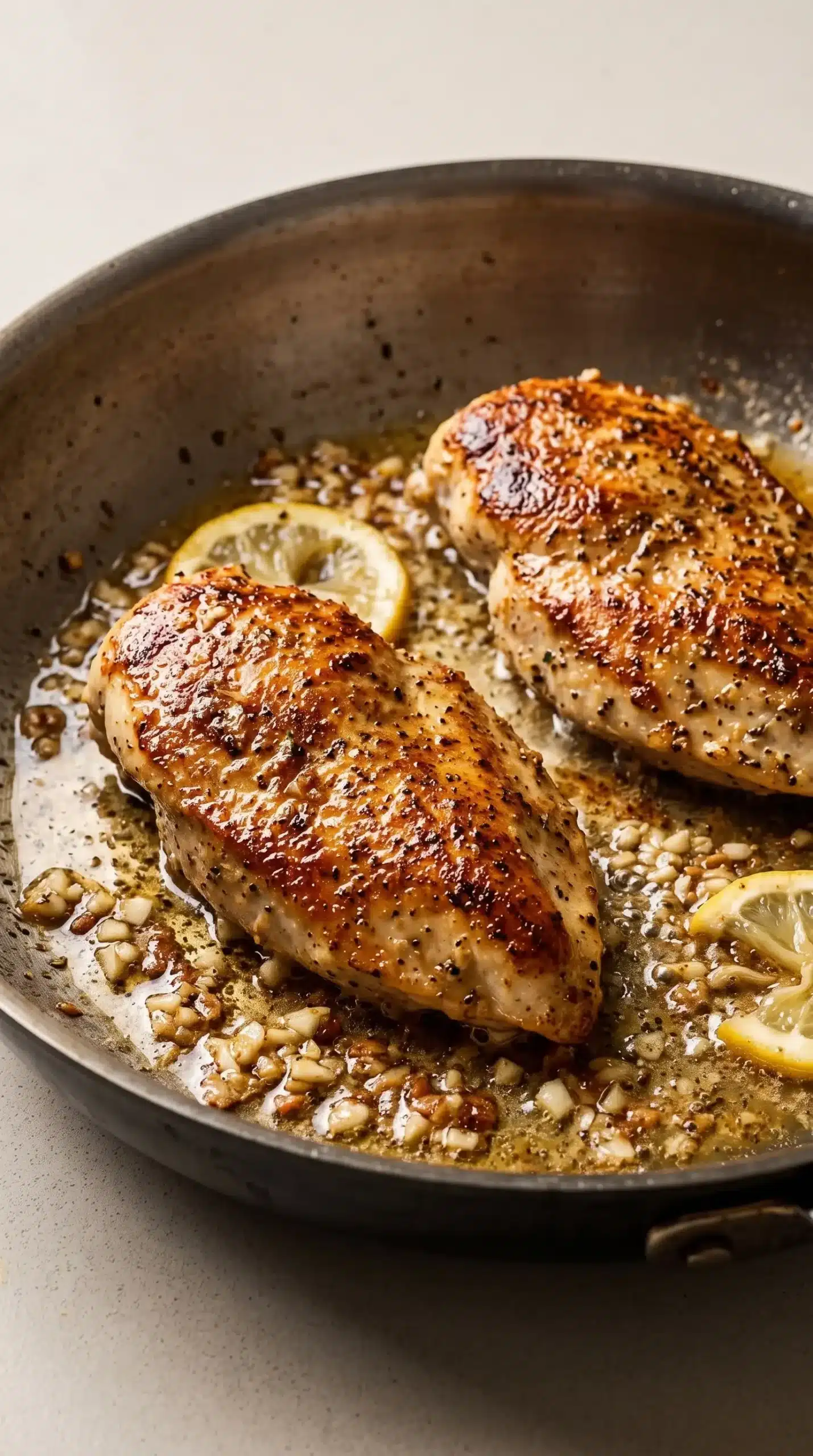
The chicken is seared for about five to seven minutes per side until golden brown. That browning gives the outside a deeper cooked flavor and creates a useful contrast with the tender interior.
A large oven-safe skillet is important because the same pan moves directly from the stovetop into the oven. Keeping the chicken in one vessel also avoids transferring the browned pieces to a separate baking dish and simplifies cleanup.
Once the chicken has developed its golden exterior, the oven takes over the cooking. The key is to treat browning and doneness as separate decisions: a browned surface indicates searing has occurred, while the internal temperature determines whether the chicken is fully cooked.
Signs That Lemon Pepper Chicken Is Ready
Chicken is fully cooked when the thickest portion reaches 165°F (75°C). Checking the internal temperature is more dependable than judging doneness from the outside alone, especially when chicken breasts have different thicknesses.
Juices running clear provide another useful visual indication, but the temperature check gives a concrete cooking target. If one breast is thicker than the others, check that piece rather than assuming every portion has reached the same point at the same time.
| Observation | What it tells you | Best response |
|---|---|---|
| Golden-brown exterior | The chicken has developed surface browning | Continue with the oven finish |
| Clear juices | Provides a visual doneness cue | Use alongside an internal temperature check |
| 165°F (75°C) internal temperature | The chicken is fully cooked | Remove it from the oven |
Resting Protects the Texture After Cooking
A few minutes of resting after the chicken leaves the oven gives the juices time to redistribute through the meat. Cutting or serving immediately can make it harder to retain that moisture.
Lemon Pepper Chicken Mistakes Worth Avoiding
Burned garlic is one of the easiest problems to prevent. Because minced garlic cooks quickly, leaving it unattended over medium heat can cause it to darken before the chicken enters the skillet. Stir constantly and move forward as soon as the garlic becomes fragrant.
Skipping the drying step can also work against good browning. Pat the chicken breasts dry with paper towels before seasoning because surface moisture interferes with browning during searing.
Another common error is relying on the color of the chicken to decide when it is finished. A golden exterior is useful for judging browning, but the thickest portion still needs to reach 165°F (75°C). Thick breasts deserve particular attention because their centers can cook more slowly.
Fresh Lemon Juice Changes the Finished Flavor
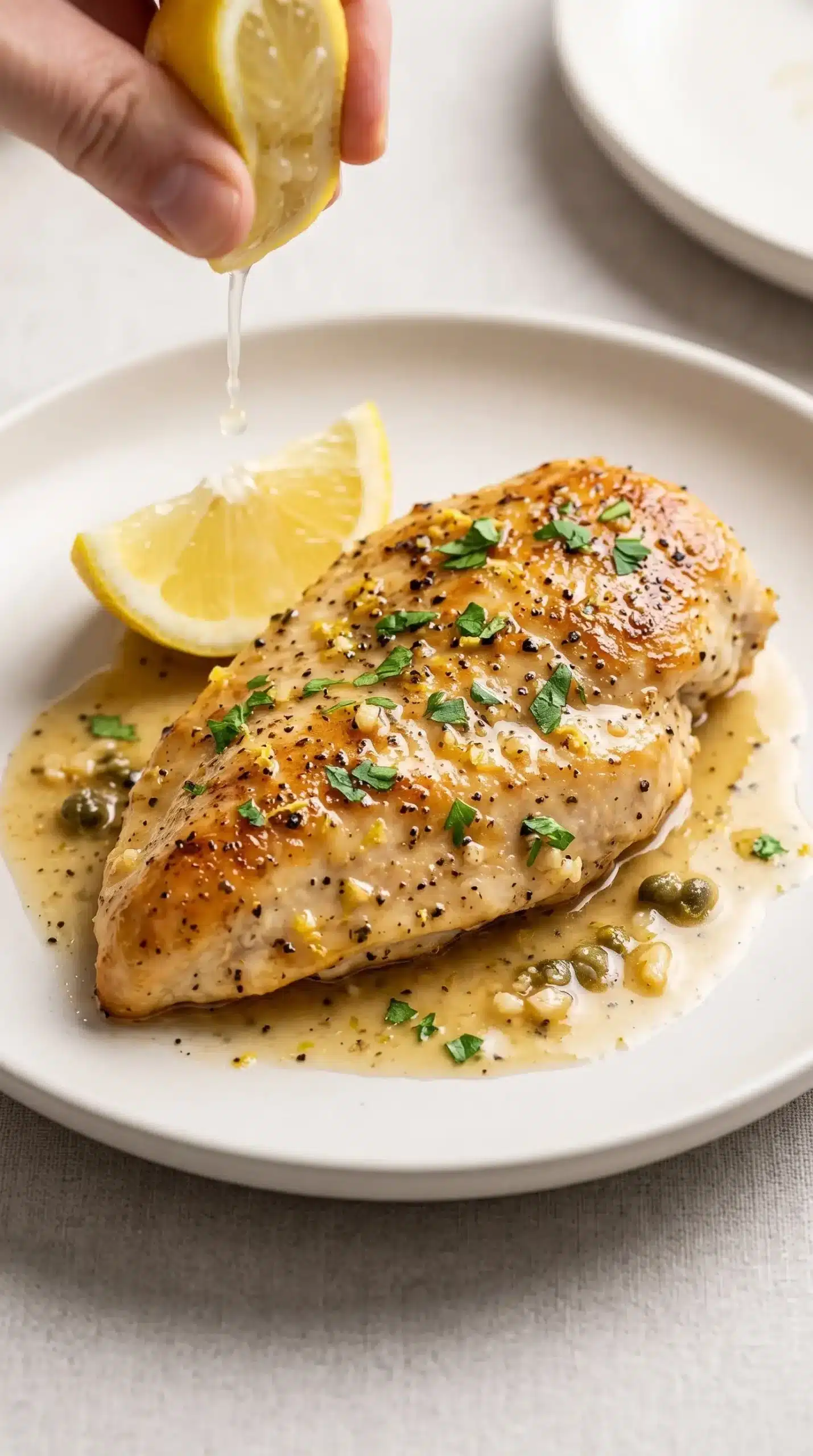
A small squeeze of fresh lemon juice over the cooked chicken adds brightness at the table. The seasoning already provides lemon-pepper character, so the juice works as a finishing touch instead of requiring a separate sauce.
Side Dishes Can Shift the Meal in Different Directions
Mashed potatoes create a familiar comfort-food pairing with the buttery chicken, while roasted potatoes keep the meal hearty with a browned side. Rice offers a simple neutral base for the seasoned chicken and its juices.
Steamed vegetables or a crisp green salad can make the plate feel lighter. Asparagus, green beans, and bell peppers can also be added to the skillet for a one-pan approach, provided they are included before the pan is transferred to the oven.
Simple Changes Keep the Chicken Flexible
Chicken thighs provide an alternative when a richer, juicier cut is preferred. They can replace the breasts, but the cooking time needs to be adjusted so the chicken cooks through.
For additional heat, red pepper flakes or a pinch of cayenne can be added to the seasoning. These changes build on the existing peppery profile without requiring a different cooking method.
When lemon pepper seasoning is unavailable, lemon zest, cracked black pepper, and salt can provide a practical substitute. The combination keeps the defining citrus and pepper character while using separate seasonings.
Make-Ahead Seasoning Saves Time Later
The chicken can be seasoned a few hours before cooking and kept refrigerated until it is ready for the skillet. This approach separates the seasoning task from the cooking period without requiring a long marinade.
Leftovers Stay Useful for Three Days
Cooked chicken should cool completely before being placed in an airtight container in the refrigerator. Leftovers can be kept there for up to three days.
Gentle reheating in the oven or microwave brings the chicken back to serving temperature. A small pat of butter can help keep the meat moist during reheating.
Why the Skillet-to-Oven Approach Suits Lemon Pepper Chicken
Lemon pepper chicken benefits from keeping the stovetop browning and oven cooking in the same skillet. The surface gets the direct heat needed for golden color, while the oven provides a controlled finishing stage for the center.
That division of work also keeps the preparation straightforward. There is no complicated sauce or special equipment involved, and the same oven-safe skillet handles the major cooking stages. The result is a practical balance between browned flavor and tender chicken.
Lemon Pepper Chicken Comes Together Through Careful Heat Control
Golden chicken, fragrant garlic, and a properly cooked center depend on treating each stage according to what it needs. Medium heat keeps the butter and garlic manageable, searing develops the browned exterior, and the oven finishes the thicker portions without requiring constant attention.
Once the chicken reaches 165°F (75°C), resting it before serving and adding parsley or fresh lemon juice at the end preserve the dish’s bright, savory character. Those small finishing decisions are what turn a simple lemon pepper chicken recipe into a complete meal.
Lemon Pepper Chicken Questions About Doneness and Cooking
Can thick chicken breasts be used without pounding them?
Yes, although lightly pounding especially thick breasts helps create a more even shape and can make cooking more consistent. If they remain thick, pay particular attention to the internal temperature of the center.
What should I do if the garlic starts browning too quickly?
Stir the minced garlic constantly and keep the heat at medium. The intended cue is fragrant garlic before the chicken is added; allowing it to become heavily browned can interfere with the clean butter-and-garlic flavor.
Can lemon pepper chicken be made with vegetables in the same pan?
Yes. Asparagus, green beans, or bell peppers can be added to the skillet before it goes into the oven, creating a one-pan meal while keeping the chicken as the main component.
When should fresh lemon juice be added?
Add a little fresh lemon juice right before serving if you want extra brightness. Using it at the end keeps the finishing citrus distinct from the lemon pepper seasoning already used during cooking.
How should I reheat leftover chicken without drying it out?
Warm the refrigerated chicken gently in the oven or microwave until heated through. A small pat of butter can help keep the meat moist while it reheats.
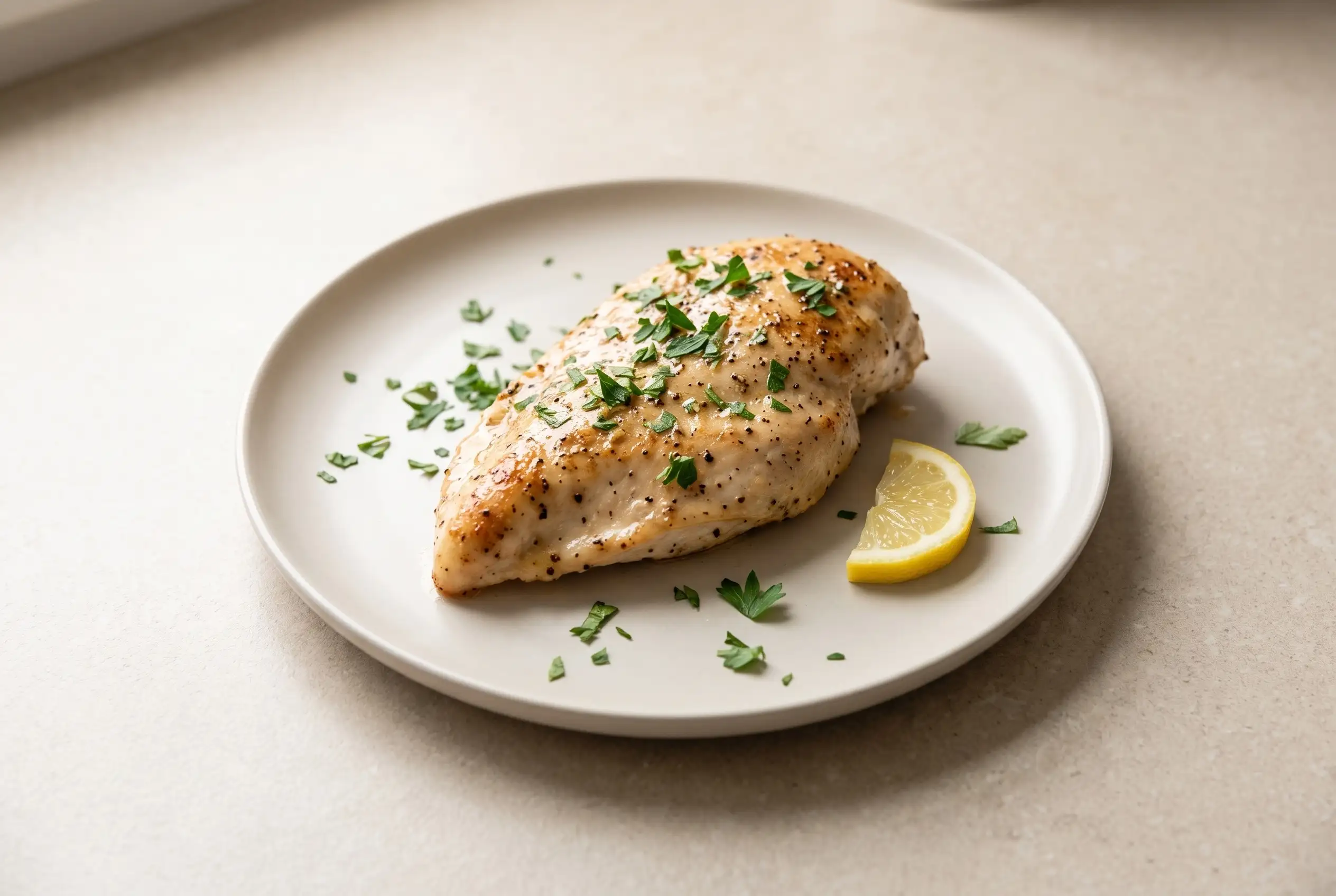
Lemon Pepper Chicken with Garlic and Fresh Parsley
Ingredients
Method
- Preheat the oven to 375°F / 190°C.
- Pat the chicken breasts dry with paper towels. Season both sides with the lemon pepper seasoning, salt, and freshly ground black pepper.
- Place a large oven-safe skillet over medium heat and melt the butter.
- Stir the minced garlic into the melted butter and cook briefly, stirring constantly, until fragrant while keeping the garlic from browning.
- Place the seasoned chicken breasts in the skillet and sear for 5–7 minutes per side, until golden brown.
- Transfer the skillet to the oven and bake the chicken breasts for 18–22 minutes, until the internal temperature reaches 165°F / 74°C.
- Take the chicken from the oven and allow it to rest for a few minutes. Finish with chopped fresh parsley before serving.