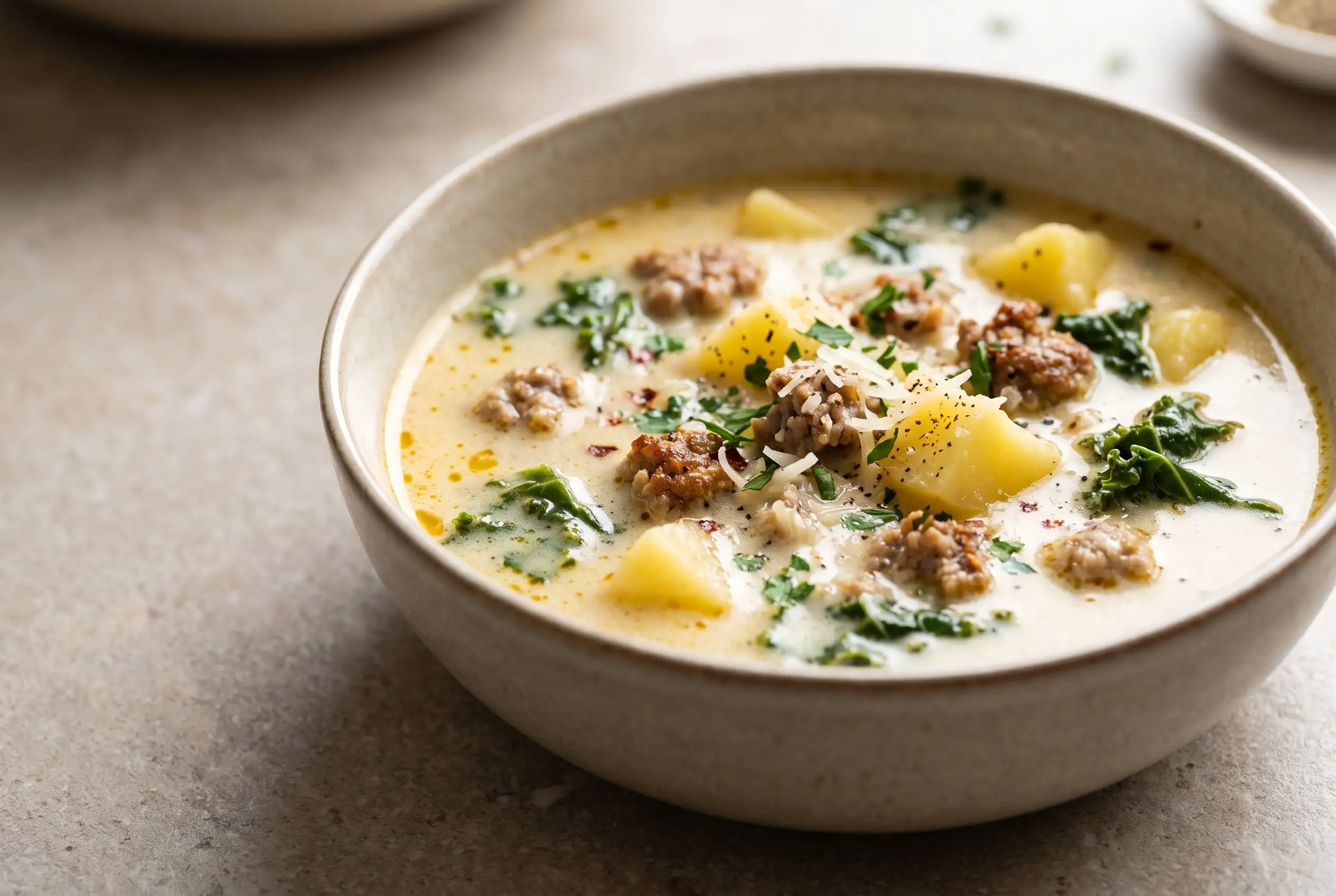
Mediterranean Baked Fish with Cherry Tomatoes and Zucchini
Mediterranean Baked Fish brings white fish, juicy cherry tomatoes, bell pepper, zucchini, lemon, garlic, oregano, and olive oil together in one colorful baking dish. The result is a bright, satisfying meal built around simple ingredients and a straightforward oven method.
With cod or tilapia as the main protein, the dish has a delicate base that works naturally with the vegetables and aromatic seasonings. Lemon slices add a fresh finishing note while parsley provides a simple garnish just before serving.
What Makes Mediterranean Baked Fish So Practical
Busy evenings benefit from a meal that can move from preparation to the oven without complicated assembly. The fish and vegetables share one baking dish, which keeps the cooking process focused and reduces the amount of cookware needed afterward.
Color also plays an important role here. Red cherry tomatoes, sliced bell pepper, green zucchini, yellow lemon, and fresh parsley create a dish that looks inviting before anyone takes a bite. That makes easy Mediterranean baked fish suitable for an ordinary weeknight while still feeling appropriate for guests.
The combination works especially well when you want fish and vegetables together rather than preparing separate main and side dishes. Rice, quinoa, salad, or crusty bread can then be added according to the meal you want to serve.
Choosing Fish for a Mediterranean-Style Bake
Cod and tilapia are the clearest choices for baked white fish Mediterranean style because both are named options for the dish. Other white fish can also be used when preferred, provided the fillets are suitable for baking.
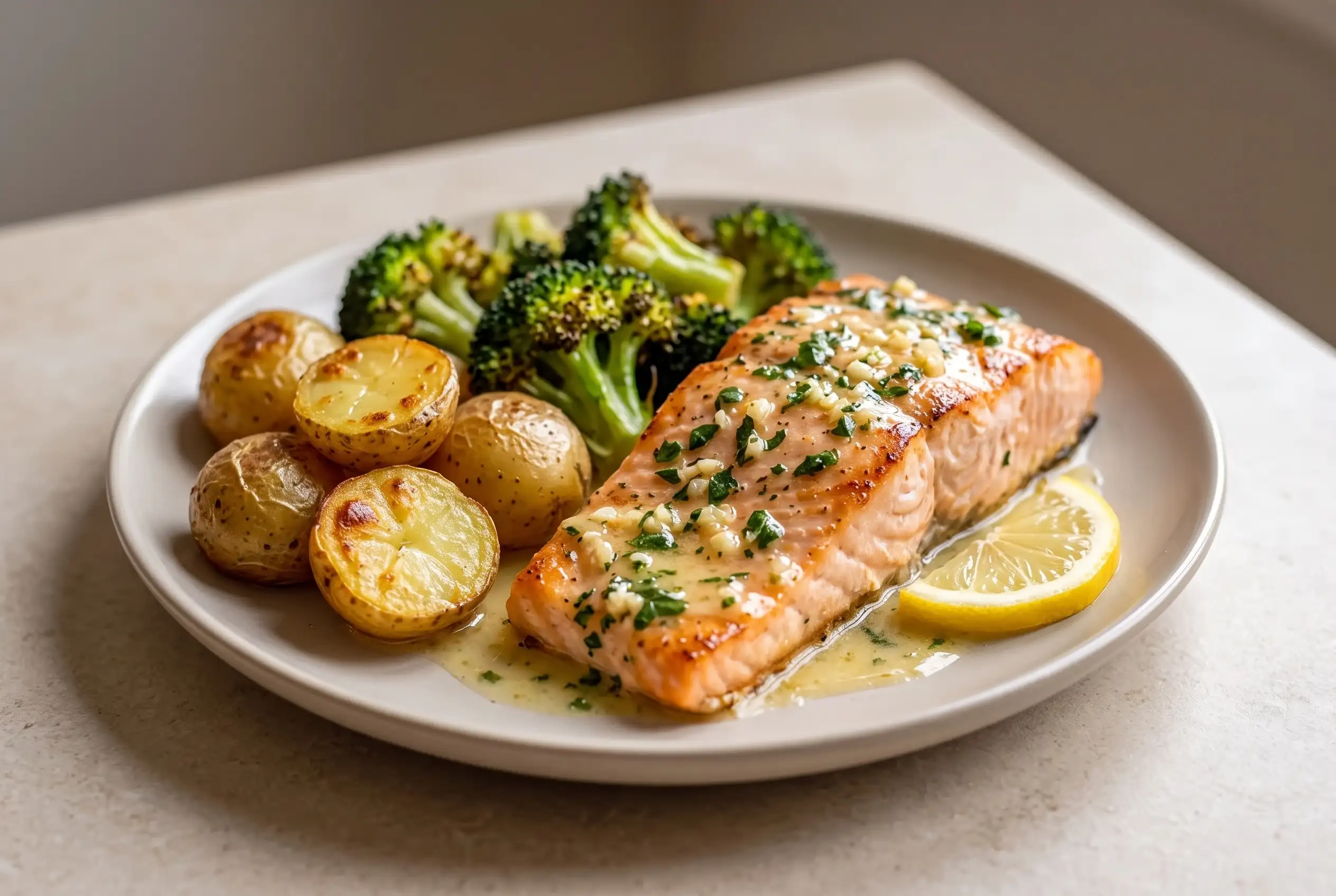
Salmon and halibut offer another direction when you want to change the character of the meal. A recipe such as baked salmon with lemon butter sauce uses lemon as a key flavor pairing while showcasing a richer fish choice for dinner.
How the Vegetables Shape the Baking Dish
Cherry tomatoes, bell pepper, and zucchini are more than colorful additions: they form the vegetable base surrounding the fish during baking. Halving the tomatoes and slicing the pepper and zucchini gives the vegetables practical shapes for arranging around the fillets.
Keeping the vegetables distributed around the fish helps the whole dish cook together in the same baking dish. The arrangement also makes it easy to serve a portion of fish with several different vegetables instead of concentrating one type in a single area.
Lemon, Garlic, and Oregano Set the Flavor Direction
Lemon slices placed directly on the fish provide a clear citrus element, while minced garlic and fresh chopped oregano are scattered over the top. Olive oil ties those seasonings into the surface of the fish and vegetables.
Salt and pepper provide the basic seasoning, and fresh parsley belongs at the end rather than during baking. The resulting combination keeps the flavor profile focused on the Mediterranean ingredients already present in the dish.
- Lemon slices: Place them on the fish before baking.
- Fresh oregano: Chop it before distributing it over the dish.
- Garlic: Mince it so it can spread across the fish and vegetables.
- Parsley: Reserve it for the garnish immediately before serving.
Arranging Mediterranean Fish With Vegetables
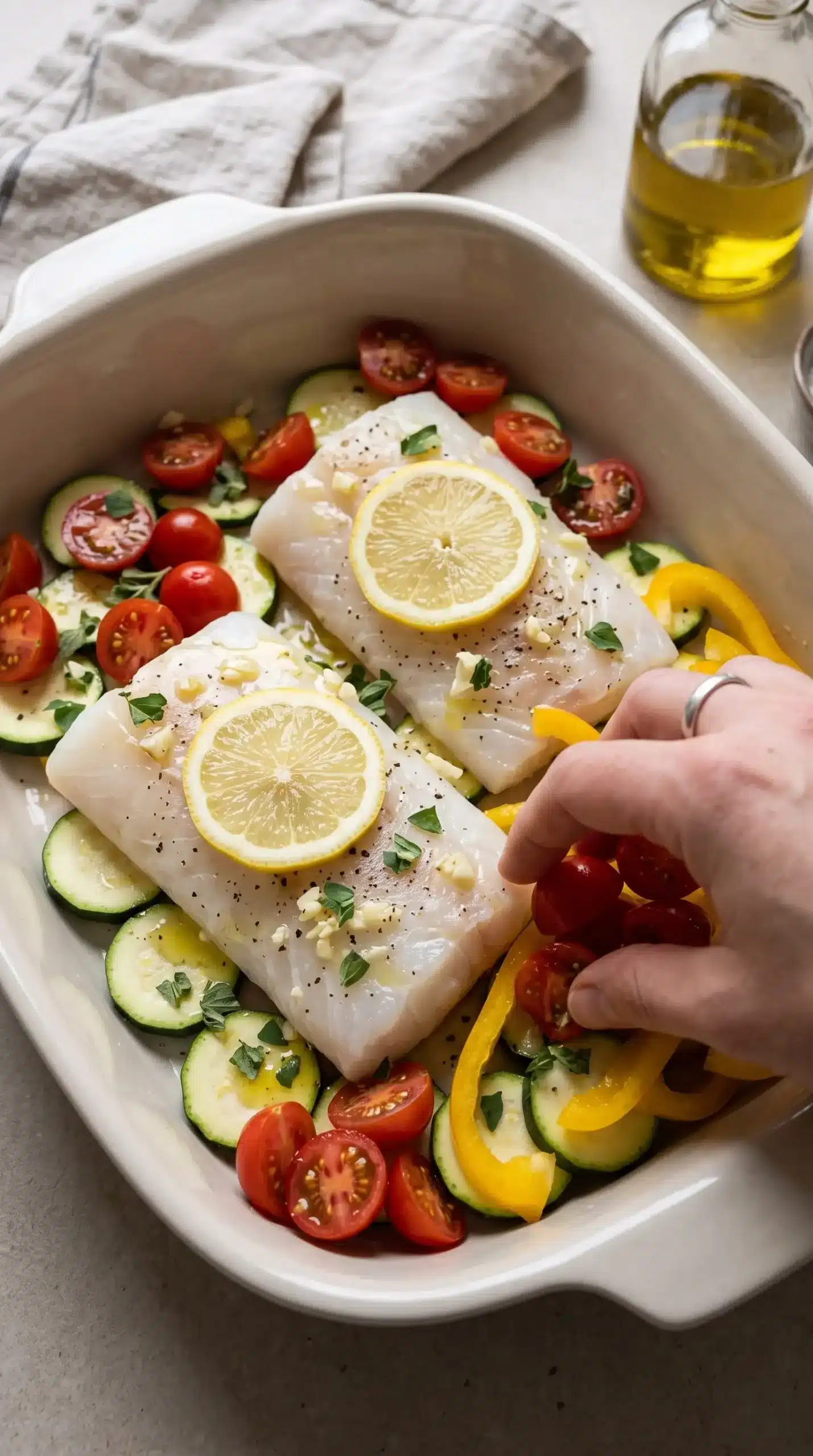
A large baking dish gives the fillets room to sit among the vegetables. Arrange the fish first, then place the halved cherry tomatoes, sliced bell pepper, and zucchini around the fillets so each serving can include both protein and vegetables.
Drizzling olive oil across the arranged ingredients allows the garlic, oregano, salt, and pepper to season the surface. Lemon slices then go directly onto the fish, keeping the citrus element closely associated with the main protein.
For mediterranean fish with vegetables, the arrangement matters because all of the listed components bake together. Avoid turning the dish into a crowded pile; the supplied method specifically calls for surrounding the fish with the vegetables in a large baking dish.
Oven Heat Controls the Texture
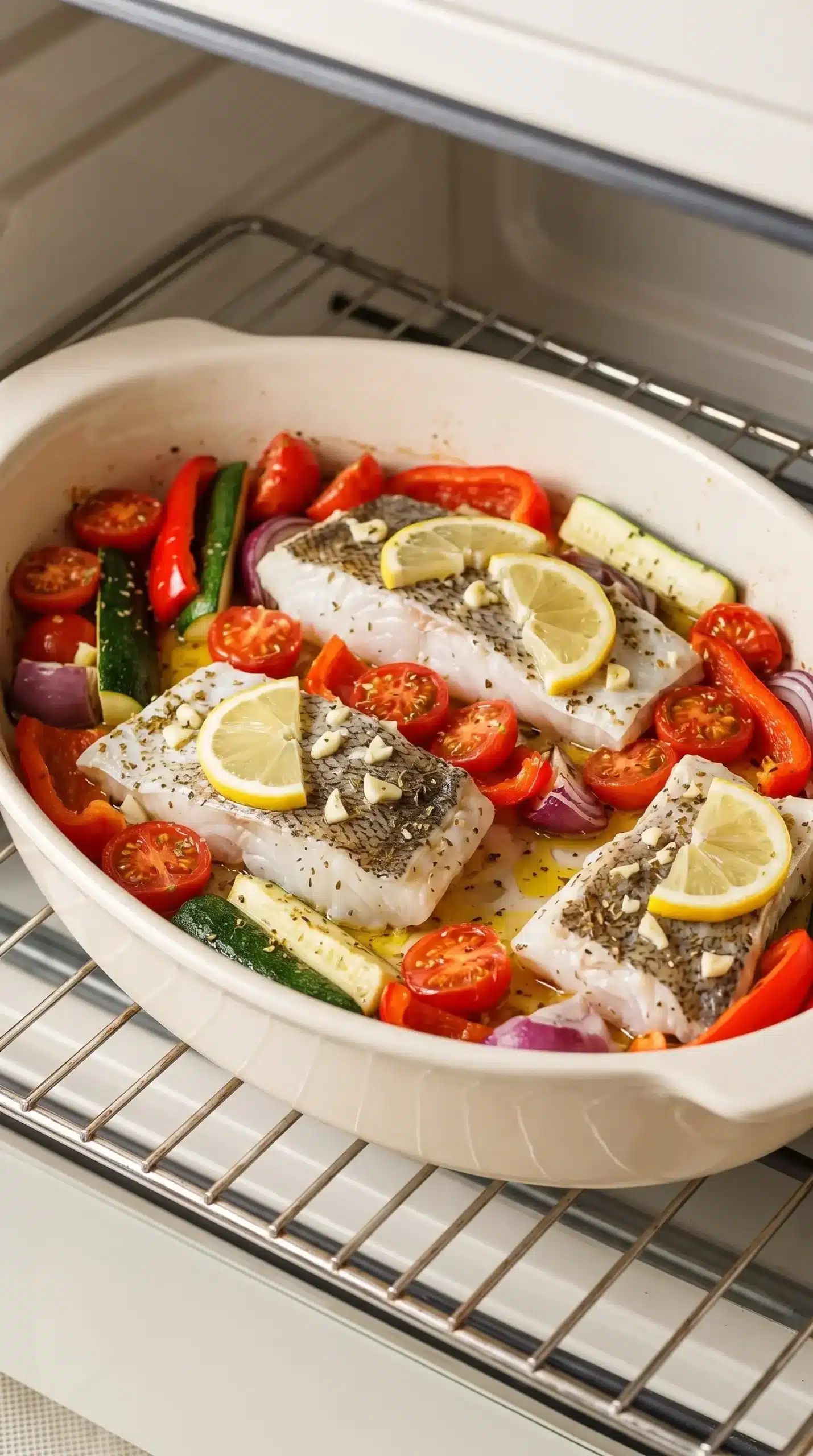
An oven temperature of 400°F (200°C) provides the specified setting for baking Mediterranean Baked Fish. The important cooking judgment is not simply watching the clock but checking the fish for the visual and textural signs given in the method.
Begin checking toward the end of the stated baking window. The fish should be cooked through, opaque, and able to flake easily with a fork. Those observations are more useful than relying on appearance alone at the start of baking.
Signs Your Mediterranean Baked Fish Is Ready
Fish that flakes easily with a fork is the key doneness signal supplied for this dish. The flesh should also be opaque rather than appearing raw or translucent in the center.
If the fillets are not yet cooked through, they need more time in the oven. Once they meet the stated doneness signs, remove the dish and finish it with fresh parsley.
Common Mediterranean Baked Fish Mistakes to Avoid
Using fish with excess moisture can interfere with the intended baked texture. When frozen fish is used, it should be fully thawed and excess moisture drained before it goes into the baking dish.
Another avoidable problem is judging doneness only by the timer. The supplied cooking window is about 20 to 25 minutes, but the useful test is whether the fish is cooked through, opaque, and flakes easily with a fork.
Finally, adding the parsley before baking misses its intended role as a fresh garnish. Keep it for the serving stage so it remains the finishing element of the dish.
Preparing Frozen Fish Without Extra Moisture
Frozen fillets can work in Mediterranean Baked Fish, but they should be completely thawed before preparation. Any excess moisture should be drained before the fish is placed in the baking dish.
This small preparation decision is particularly useful because the vegetables and fish are baked together. Starting with properly thawed, drained fillets keeps the preparation aligned with the supplied oven method.
Ways to Adjust the Vegetable Combination
The core combination of tomatoes, bell pepper, and zucchini can be changed according to what is available. Seasonal vegetables can also be substituted when appropriate, giving the same baking approach a slightly different vegetable mix.
Asparagus or broccoli are specifically suitable additions when you want more vegetables. The important point is to keep the changes compatible with a shared baking dish and the fish-centered character of the meal.
Simple Flavor Variations for the Same Fish Bake
Olives or capers can introduce a stronger Mediterranean flavor without changing the basic concept of the dish. Different herbs, including thyme or basil, can also replace the oregano when you want a different aromatic profile.
For heat, red pepper flakes or a dash of hot sauce can be added. These options change the flavor intensity while leaving the fundamental fish, vegetable, lemon, and olive oil combination intact.
Serving Mediterranean Baked Fish at the Table
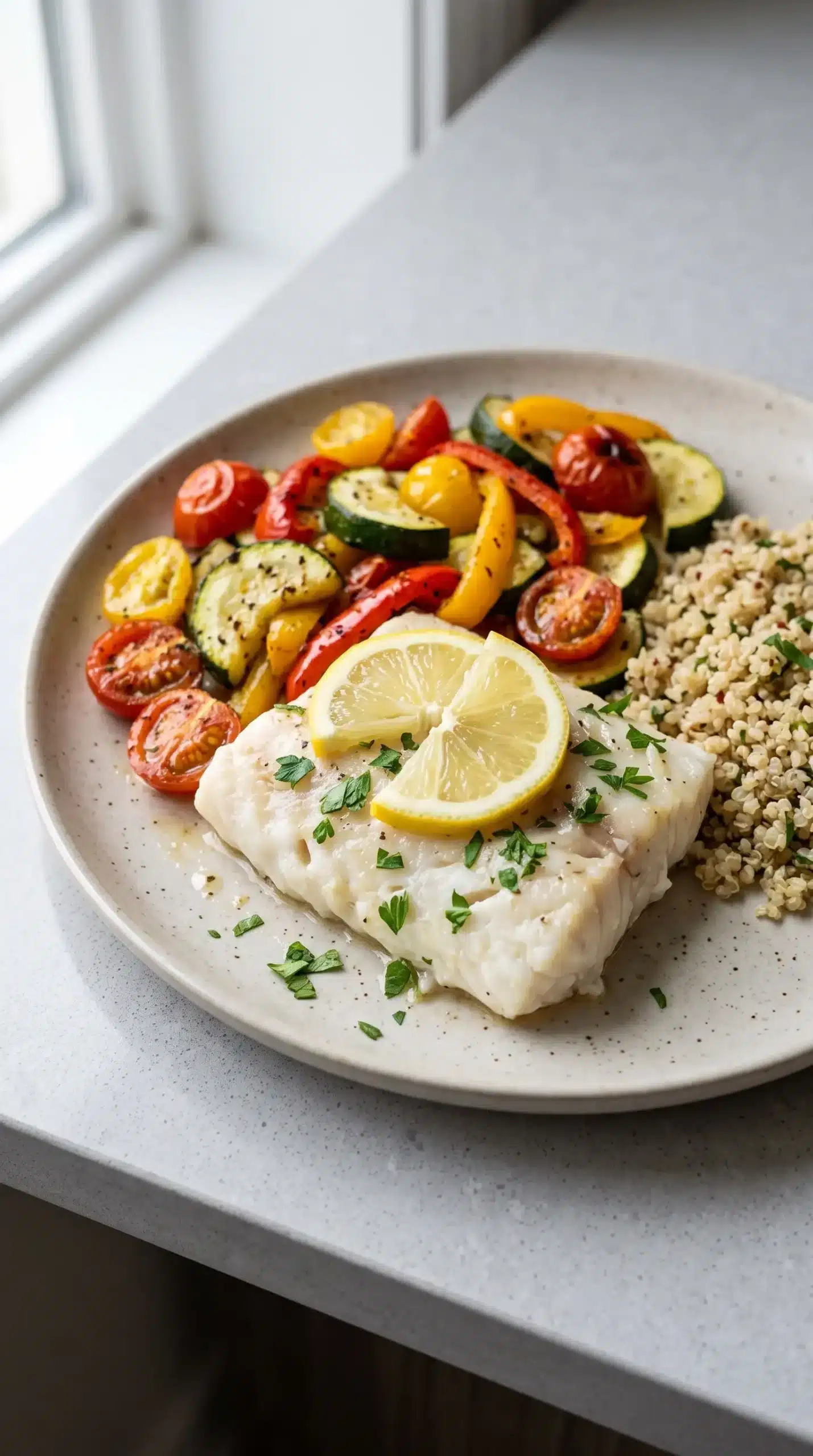
Serve the fish warm directly from the oven, with the baked vegetables arranged alongside it. A portion can stand on its own when you want the fish and vegetables to remain the center of the plate.
Rice or cooked quinoa gives the meal a more substantial base, while a side salad keeps the presentation fresh and vegetable-forward. Crusty bread is another useful pairing because it can accompany the flavorful juices from the baking dish.
| Serving choice | How it fits the dish | Best use |
|---|---|---|
| Quinoa | Creates a grain-based base for the fish and vegetables | A more substantial plate |
| Rice | Pairs directly with the baked fish and vegetables | A familiar accompaniment |
| Side salad | Adds a fresh vegetable component | A lighter presentation |
| Crusty bread | Works alongside the flavorful juices | Serving straight from the baking dish |
Storing Leftover Mediterranean Baked Fish
Leftovers should cool completely before being transferred to an airtight container. Refrigerated portions can be kept for up to 3 days.
Freezing is also an option for longer storage, with the fish suitable for up to 2 months when wrapped tightly to help prevent freezer burn. Keeping the portions well protected is especially important before placing them in the freezer.
What the Dish Brings to a Balanced Meal
The fish supplies lean protein, while the colorful vegetables contribute vitamins A and C along with dietary fiber. Olive oil supplies fat, and the complete combination creates a meal built around fish, vegetables, and a simple seasoning mixture.
One serving is described as containing about 350 calories, 30g of protein, and 15g of fat. Those figures belong to the supplied recipe as prepared and provide a useful snapshot of its nutritional profile.
The appeal is also practical: the dish combines protein and several vegetables in one preparation. That makes Mediterranean Baked Fish an easy way to bring those food groups together without requiring separate cooking methods for the main components.
One-Pan Decisions That Improve the Finished Dish
Fresh fish is recommended for the best flavor, while fully thawed frozen fish is an acceptable alternative when excess moisture has been drained. Selecting the fish before assembling the vegetables helps determine which fillets will anchor the dish.
Keep the lemon on the fish, distribute the seasonings across the ingredients, and reserve parsley for the garnish. These small choices preserve the intended balance without adding unnecessary steps.
Mediterranean Baked Fish Works Best When Doneness Leads
The fish should emerge opaque and flake easily with a fork; that observable condition is the most important judgment in the bake. The vegetables, lemon, garlic, oregano, and olive oil support the fish, but they do not replace the need to check the fillets themselves.
Once the fish reaches that point, parsley can be added and the warm dish served with quinoa, rice, salad, or crusty bread. The same approach also leaves room for vegetables, herbs, or flavor accents to change without losing the central character of the meal.
Questions About Fish Thawing and Baking
Can frozen fish be used for Mediterranean Baked Fish?
Yes. Frozen fish should be completely thawed first, and excess moisture should be drained before the fillets are arranged in the baking dish.
How can I tell when the fish is cooked through?
Look for opaque flesh that flakes easily with a fork. These are the clearest doneness signs provided for the baked fish.
For an objective doneness check, fish should reach 145°F (63°C) internally when measured with a food thermometer.
Which white fish can replace cod or tilapia?
Any white fish that works well for baking can be used, while cod and tilapia remain the specifically named options. Salmon or halibut can also be used when you want a different fish choice.
Can the vegetables be changed?
Yes. The vegetable combination can be adjusted based on what you have available, with asparagus or broccoli specifically suggested as additional choices.
What can I add for a stronger Mediterranean flavor?
Olives or capers can add a more pronounced Mediterranean character. Thyme or basil can also be used in place of oregano, depending on the flavor you want.
How long can leftovers be refrigerated or frozen?
Cool leftovers completely and store them in an airtight container for up to 3 days in the refrigerator. For longer storage, wrap the fish tightly and freeze it for up to 2 months.
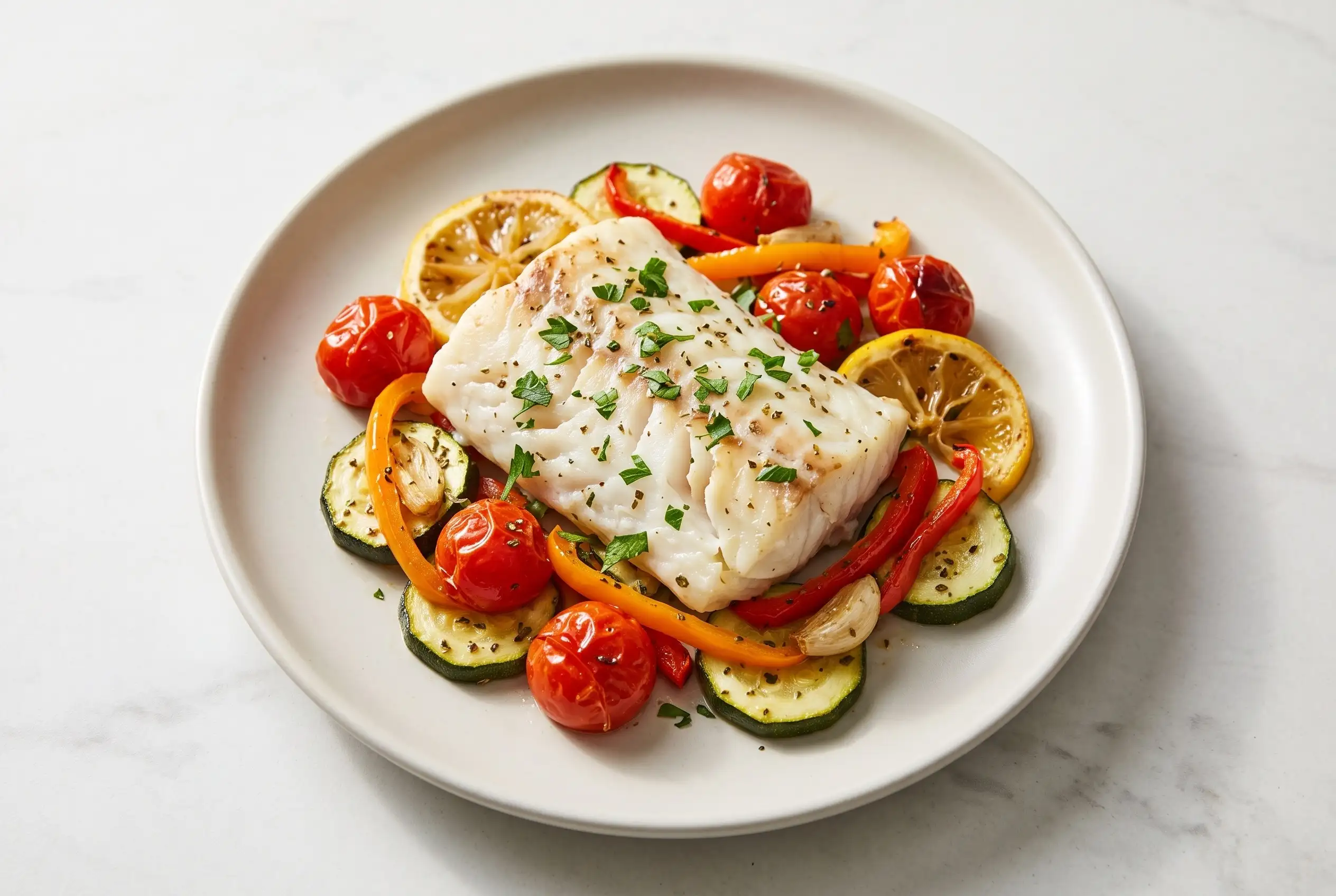
Mediterranean Baked Fish with Cherry Tomatoes and Zucchini
Ingredients
Method
- Preheat the oven to 400°F / 200°C.
- Set the 4 white fish fillets in a large baking dish, then distribute the halved cherry tomatoes, sliced bell pepper, and sliced zucchini around them.
- Pour 1/4 cup olive oil over the fish and vegetables. Season with the minced garlic, chopped oregano, salt, and black pepper.
- Lay the lemon slices over the tops of the fish fillets.
- Bake at 400°F / 200°C for 20–25 minutes, until the fish is opaque, cooked through, and flakes easily with a fork.
- Finish the baked fish and vegetables with fresh parsley before serving.