Crispy Beef Tacos with Melted Cheese and Enchilada Sauce
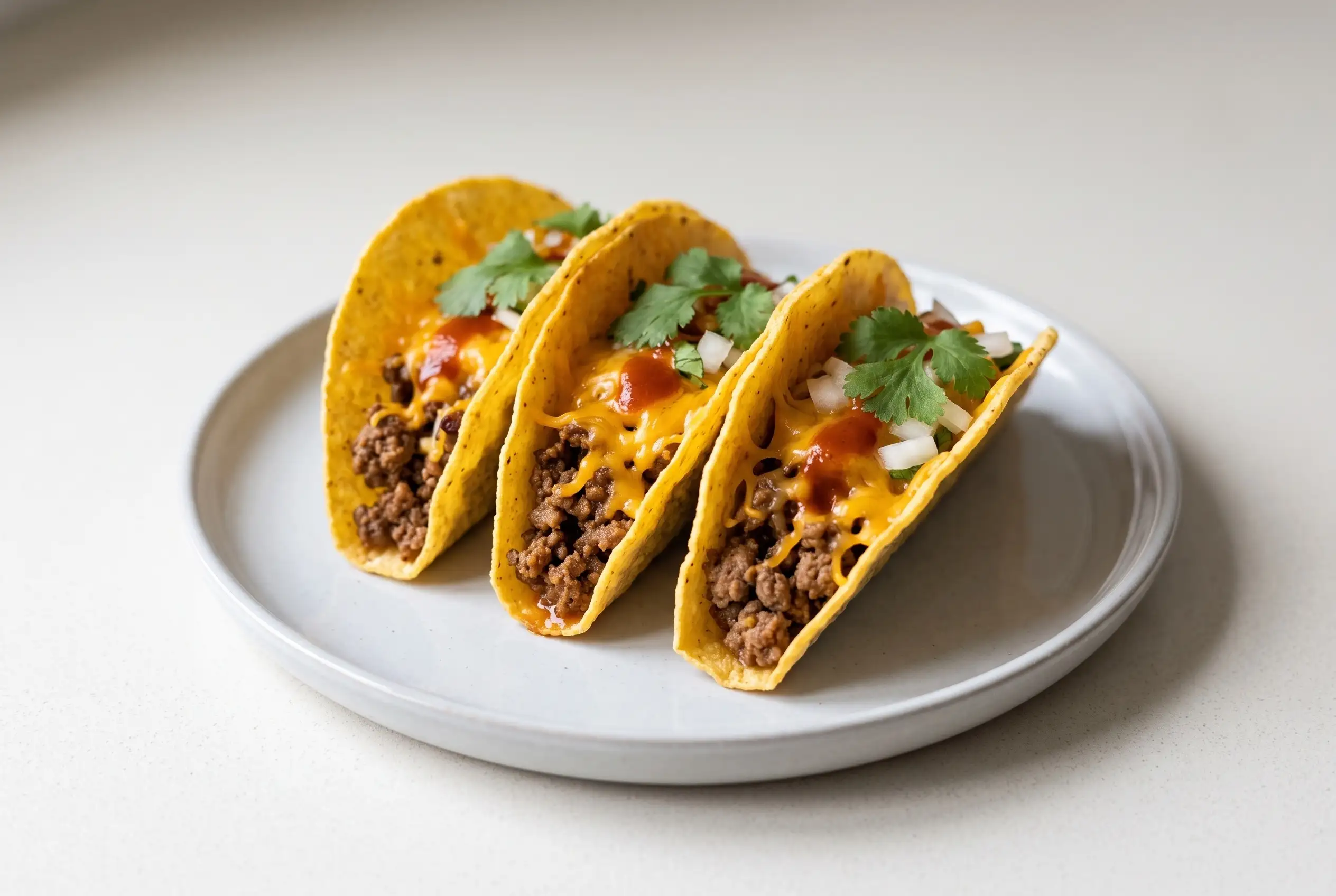
Crispy beef tacos bring seasoned ground beef, melted cheese, zesty enchilada sauce, and warm corn tortillas together for a satisfying meal with plenty of texture. The combination is especially appealing when you want easy crispy beef tacos that can be customized around the toppings and sides everyone enjoys. With familiar ingredients and straightforward preparation, crispy beef tacos fit naturally into a busy weeknight or a relaxed meal with friends.
What Makes the Beef Filling Work
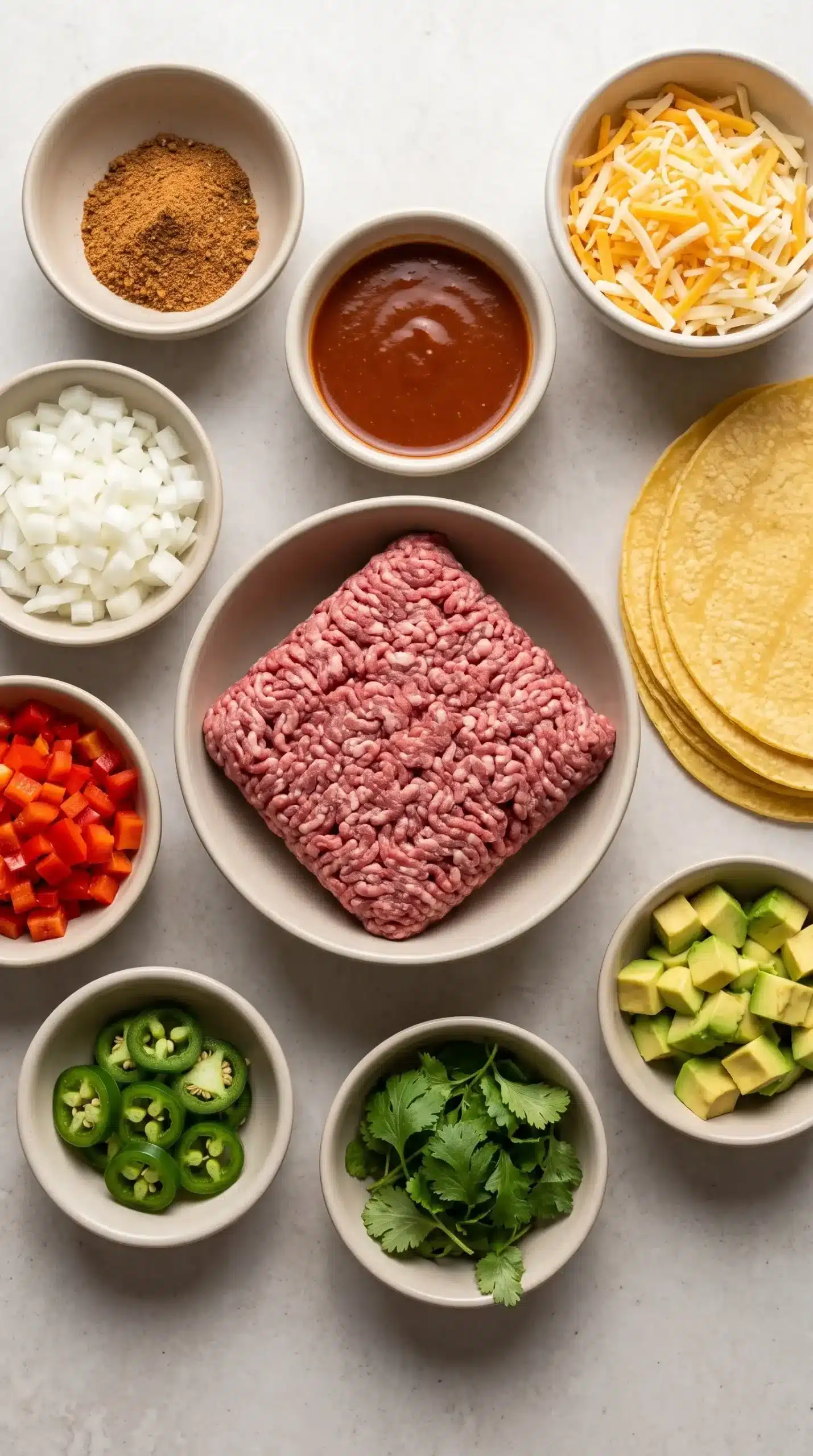
Ground beef forms the hearty center of these tacos, and browning it in a skillet gives the filling its savory foundation. Once the meat has cooked, excess fat should be drained before the taco seasoning is incorporated. That small bit of handling keeps the finished filling from becoming unnecessarily greasy.
Taco seasoning provides the main seasoning direction without requiring a long list of individual spices. Following the package instructions is important because the seasoning is intended to be prepared according to its own directions. The seasoned beef should remain flavorful enough to stand alongside the cheese and enchilada sauce without those toppings becoming lost.
For cooks who want to build more flavor into the skillet, chopped onions or bell peppers can be cooked with the ground beef. These additions are optional, so the basic filling remains simple when speed matters. They also provide an easy way to adjust the texture of the meat mixture without changing the core character of the tacos.
Corn Tortillas Give the Tacos Their Character
Corn tortillas are central to the texture of these tacos. Warming them in a separate pan or microwave makes them more flexible for assembly, while a light fry in a little oil can take the texture in a noticeably crispier direction. That extra step is particularly useful when the crunch of the tortilla is an important part of the meal.
The tortillas also work well with the savory beef, melted cheese, and enchilada sauce because they provide a simple base for those stronger flavors. Flour tortillas can be substituted when preferred, and lettuce wraps offer another alternative for diners with different dietary preferences.
| Tortilla choice | Best use | Practical consideration |
|---|---|---|
| Corn tortillas | Classic taco base | Warm before filling for easier assembly |
| Lightly fried corn tortillas | Extra-crispy texture | Fry briefly in a little oil |
| Flour tortillas | Alternative tortilla option | Useful when corn tortillas are not preferred |
| Lettuce wraps | Non-tortilla alternative | Suitable for a different dietary preference |
Keep the Cheese and Sauce in Balance
Shredded cheese adds richness and a melted texture that pairs naturally with the seasoned beef. A single cheese works well, while combining varieties such as cheddar and Monterey Jack gives the topping a fuller flavor. The amount should complement the filling without making the tortilla difficult to handle.
Enchilada sauce contributes a zesty element that ties the beef and cheese together. Because the sauce is added during assembly, it can be adjusted according to personal preference. Keeping the topping combination balanced helps the tacos remain easy to eat while preserving the contrast between the savory filling, creamy cheese, and saucy finish.
Additional toppings can change the character of each serving without altering the main filling. Sour cream, diced tomatoes, jalapeños, salsa, guacamole, onions, cilantro, or avocado can all be offered separately. This makes the meal especially flexible when several people want different flavors or levels of heat.
The Skillet Heat Determines the Beef Texture
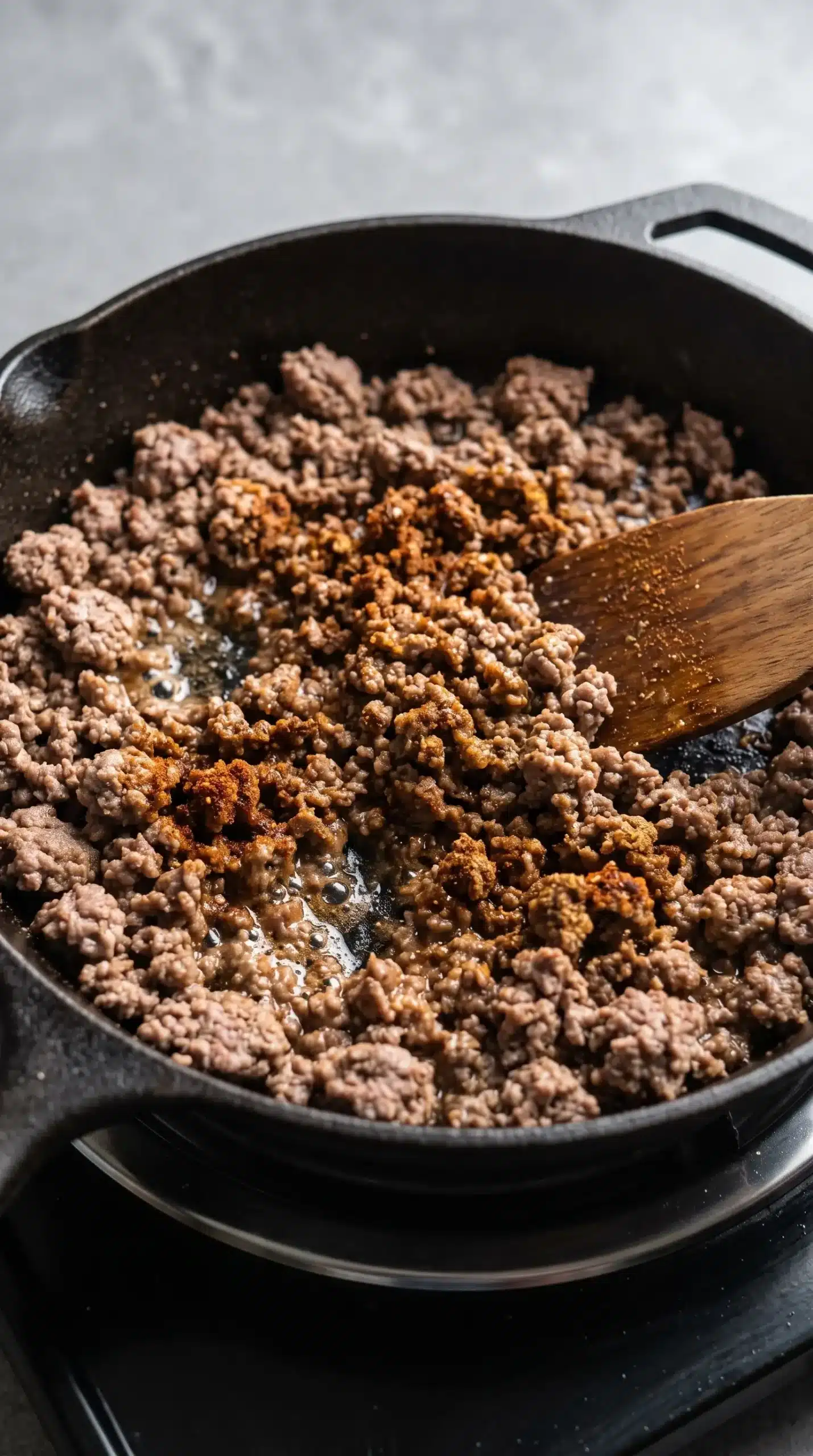
Medium heat is the key control point when browning the ground beef. The meat needs enough heat to cook and brown properly, but the process still calls for attention so the beef can be handled evenly in the skillet. Once browned, draining the excess fat prepares it for the seasoning stage.
Taco seasoning should be incorporated after the beef has browned. The package instructions determine how the seasoning should be prepared, so using those directions keeps the consistency and seasoning level aligned with the product being used. Avoid treating the seasoning as though every blend requires identical amounts of liquid or cooking time.
Warm tortillas separately while the beef is ready for assembly. Keeping those tasks distinct makes it easier to control the tortilla texture and prevents the filling from sitting unnecessarily while the tortillas are being prepared. For an especially crisp result, lightly frying the tortillas in a little oil provides another texture-focused cooking step.
Build Crispy Beef Tacos Without Overloading Them
Assembly is where the separate components become a complete taco. Place the seasoned beef into the warmed tortilla, then add shredded cheese and enchilada sauce. Keeping the filling manageable makes the taco easier to fold, lift, and eat without losing its structure.
Extra toppings are best treated as finishing choices instead of mandatory components. A little salsa or guacamole can bring freshness and creaminess, while diced tomatoes, onions, cilantro, sour cream, or jalapeños provide different textures and flavors. Diners can therefore build individual tacos around their own preferences.
- For more crunch: Lightly fry the corn tortillas in a little oil before filling them.
- For more richness: Use a blend such as cheddar and Monterey Jack for the cheese.
- For more heat: Add diced jalapeños or a splash of hot sauce to the beef mixture.
- For more variety: Put toppings such as salsa, guacamole, tomatoes, onions, cilantro, and sour cream on the table separately.
Crispy Ground Beef Tacos Need a Careful Assembly
One common problem is adding too much filling to each tortilla. A generous amount of beef may sound appealing, but an overloaded taco becomes harder to handle once cheese, sauce, and additional toppings are included. Keeping the portions controlled allows the tortilla to remain the useful container it is meant to be.
Another issue is allowing the tortilla to become too soft before serving. Warming is necessary for flexibility, but the tacos benefit from being assembled close to mealtime. If a crispier texture is desired, lightly frying the tortillas provides a direct solution instead of relying on the filling to create crunch.
Excess fat in the beef can also affect the finished texture. Drain the browned meat before seasoning so the filling does not carry unnecessary grease into the tortillas. If the assembled tacos still feel too heavy, use toppings selectively and keep the saucy component controlled.
Make the Meal More Flexible at the Table
Crispy beef tacos are easy to adapt because the core filling can stay unchanged while the toppings vary. Guacamole and salsa work well as familiar accompaniments, while a fresh salad can add a lighter side to the meal. Offering several toppings separately also lets each person decide how much heat, creaminess, or freshness to add.
The beef itself can be changed when needed. Ground chicken or ground turkey can replace the ground beef, while beans offer a vegetarian direction. Other vegetarian alternatives include lentils or tofu, giving the same general taco format several different filling possibilities.
Simple Swaps Keep the Taco Format Intact
Ground turkey is a straightforward alternative when a different meat is preferred, and lean ground beef is another option for changing the richness of the filling. Ground chicken can replace the beef while keeping the skillet-based preparation familiar, as in chicken street tacos.
Vegetarian diners can use beans, lentils, or tofu in place of the beef. Different seasonings can also shift the flavor, while avocado or lettuce can be added as toppings for another layer of texture and nutrition. These changes preserve the basic idea of a filled tortilla topped with complementary ingredients.
| Change | Replacement or addition | What it changes |
|---|---|---|
| Beef filling | Ground turkey or ground chicken | Uses a different meat while keeping the taco format |
| Beef filling | Beans, lentils, or tofu | Creates a vegetarian option |
| Cheese | Cheddar and Monterey Jack blend | Adds a richer cheese combination |
| Heat level | Jalapeños or hot sauce | Increases the spiciness |
Store the Filling Separately for Better Leftovers
Leftover taco filling should be placed in an airtight container and refrigerated for up to 3 days. Keeping the beef mixture separate from the tortillas matters because the tortillas can lose their desired texture when stored together with the filling and sauce.
When it is time to eat, reheat the beef and assemble the tacos fresh. This approach gives the tortillas a better chance of retaining their texture and lets the cheese, enchilada sauce, and other toppings be added immediately before serving.
Freeze the Beef Ahead for Convenient Meals
The beef mixture can also be frozen, making it useful for advance preparation. Freezing the filling separately keeps the tortillas out of the storage process and leaves the fresh assembly for later. That separation is especially helpful when the desired result is a taco with a more distinct tortilla texture.
After preparing the filling for storage, use it as the starting point for a fresh taco assembly. The tortillas and toppings can be prepared separately, allowing the meal to be rebuilt when needed instead of storing fully assembled tacos.
Serving Choices Complete the Taco Plate
Guacamole, salsa, and fresh salad are natural side choices for crispy beef tacos. Their different textures provide contrast to the seasoned beef and tortilla, while toppings such as sour cream, diced tomatoes, or jalapeños allow individual servings to be adjusted at the table.
A casual spread works particularly well when several people are eating together. Keep the core tacos simple and let everyone add preferred toppings. That approach avoids committing every serving to the same combination while preserving the distinctive beef, cheese, tortilla, and enchilada-sauce foundation.
Why Crispy Beef Tacos Fit a Balanced Meal
Ground beef supplies protein, while shredded cheese contributes calcium. Corn tortillas add fiber, creating a combination that can be satisfying as part of a family meal. Choosing lean ground beef or using ground turkey provides another way to adjust the filling when preferred.
Vegetable-based toppings can broaden the meal further. Tomatoes, onions, lettuce, avocado, and fresh salad are among the options supported by the recipe’s serving and variation ideas. Since toppings can be served separately, diners can choose the additions that suit their preferences.
Serve Crispy Beef Tacos While the Textures Contrast
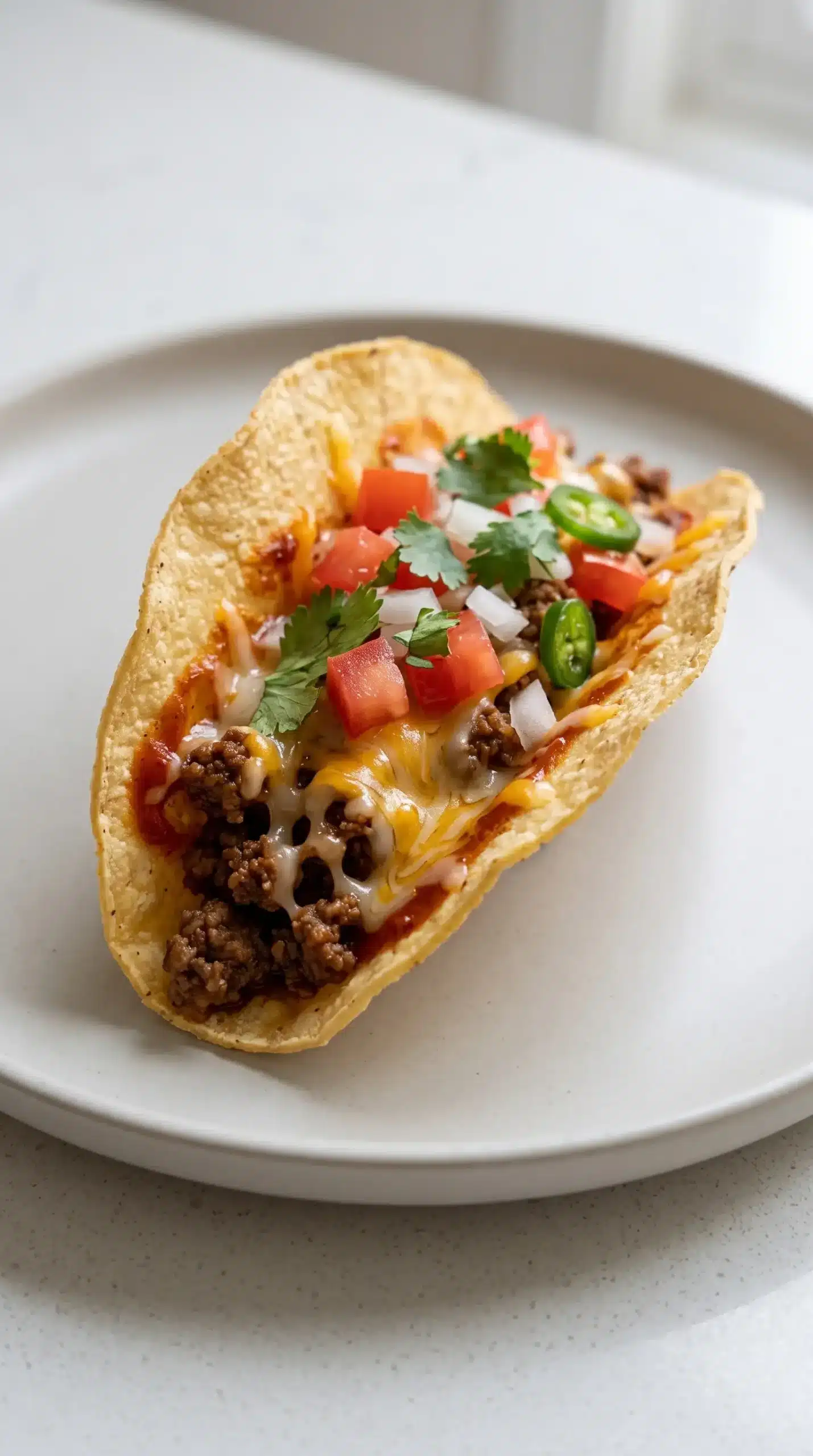
The strongest texture contrast comes from assembling the tacos close to serving time, especially when lightly fried tortillas are being used for extra crispness. Warm tortillas, seasoned beef, melted cheese, and enchilada sauce create the core combination, while fresh toppings can be added immediately afterward.
That timing also keeps leftovers easier to manage. Store the beef separately, then rebuild individual tacos with tortillas and toppings when ready to eat. The result is a meal where the tortilla remains distinct from the moist filling and finishing ingredients.
Crispy Beef Tacos Work Best With Controlled Crispness
The key judgment for crispy beef tacos is how much texture you want from the tortilla. Warming is enough for a soft, flexible base, while lightly frying corn tortillas in a little oil pushes the dish toward a more pronounced crunch. Either approach works with the seasoned beef, shredded cheese, and enchilada sauce, but the tortilla treatment determines much of the eating experience.
Keeping the filling separate until assembly protects that choice. Brown and season the beef, prepare the tortillas according to the desired texture, and add the toppings when serving. That simple separation gives easy crispy beef tacos a practical advantage: the same filling can produce a softer taco or a crunchier beef taco with corn tortillas depending on how the tortillas are handled.
Crispy Beef Tacos Questions About Storage and Heat
Can pre-cooked beef be used?
Pre-cooked beef can replace freshly browned ground beef. Heat it thoroughly, then add the taco seasoning according to the seasoning package instructions before assembling the tacos.
Can the tacos be made gluten-free?
They can be prepared as a gluten-free meal when both the corn tortillas and taco seasoning used are gluten-free. Check the seasoning product for the gluten-free labeling standard before using it.
How can the tacos be made spicier?
Diced jalapeños or a splash of hot sauce can increase the heat of the beef mixture. Jalapeños can also be offered as a topping so individual servings can have different spice levels.
Can the beef mixture be frozen?
Yes. The beef mixture freezes well and can be prepared ahead. Keep it separate from the tortillas and assemble the tacos after the filling is ready to use.
What can replace corn tortillas?
Flour tortillas or lettuce wraps can be used when corn tortillas are not preferred. The choice changes the tortilla component while leaving the seasoned filling and toppings available for the same taco-style meal.
How can the tacos be made vegetarian?
Replace the ground beef with beans, lentils, or tofu. These options allow the taco format to remain intact while removing the beef from the filling.
Crispy Beef Tacos with Melted Cheese and Enchilada Sauce
Ingredients
Method
- Brown the ground beef in a skillet over medium heat until fully cooked. Drain any excess fat.
- Add the taco seasoning to the cooked beef and prepare it according to the taco seasoning package instructions.
- Heat the corn tortillas separately in a pan or microwave until they are pliable.
- Place seasoned beef inside each warm tortilla, then add shredded cheese and enchilada sauce.
- Serve the tacos hot.