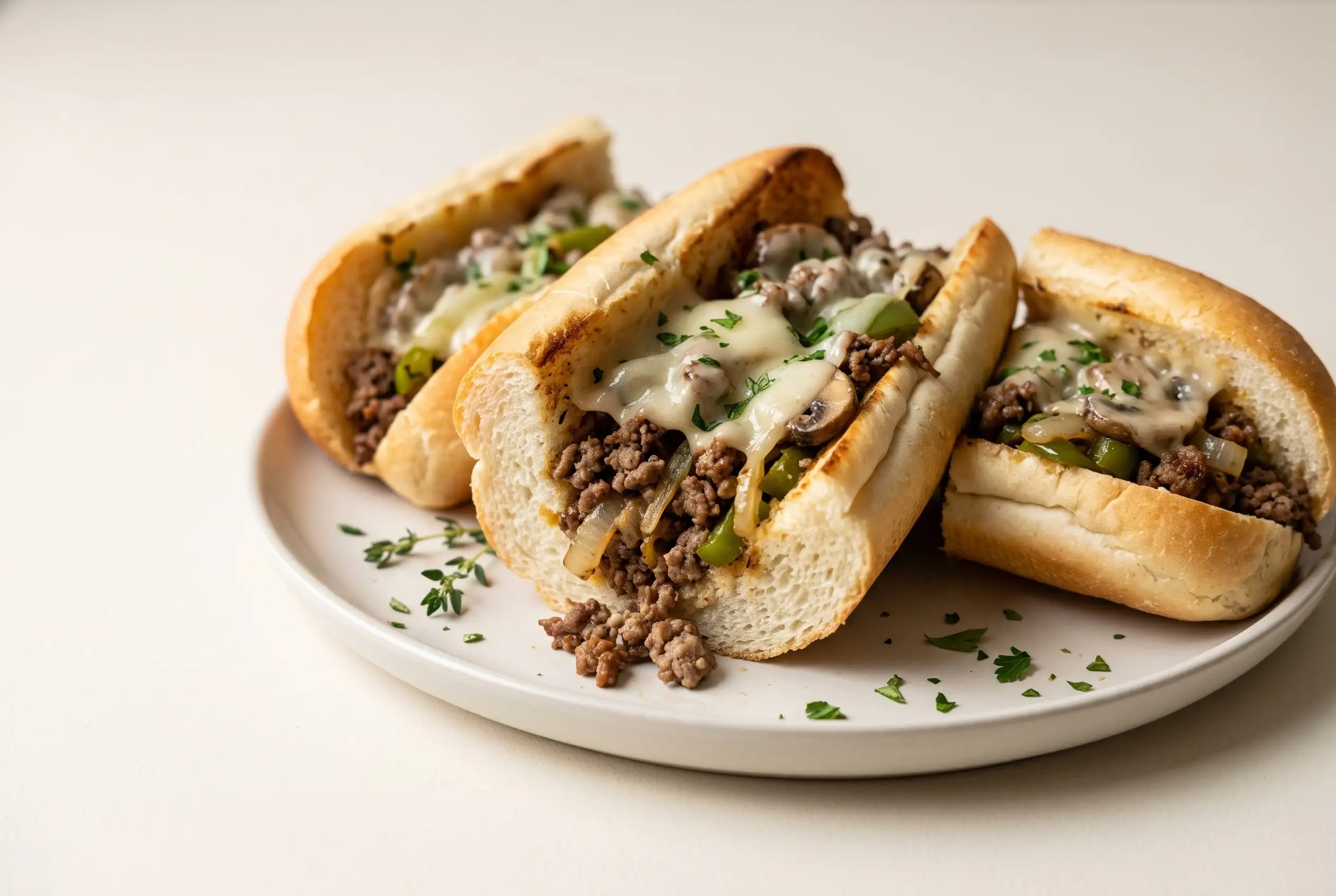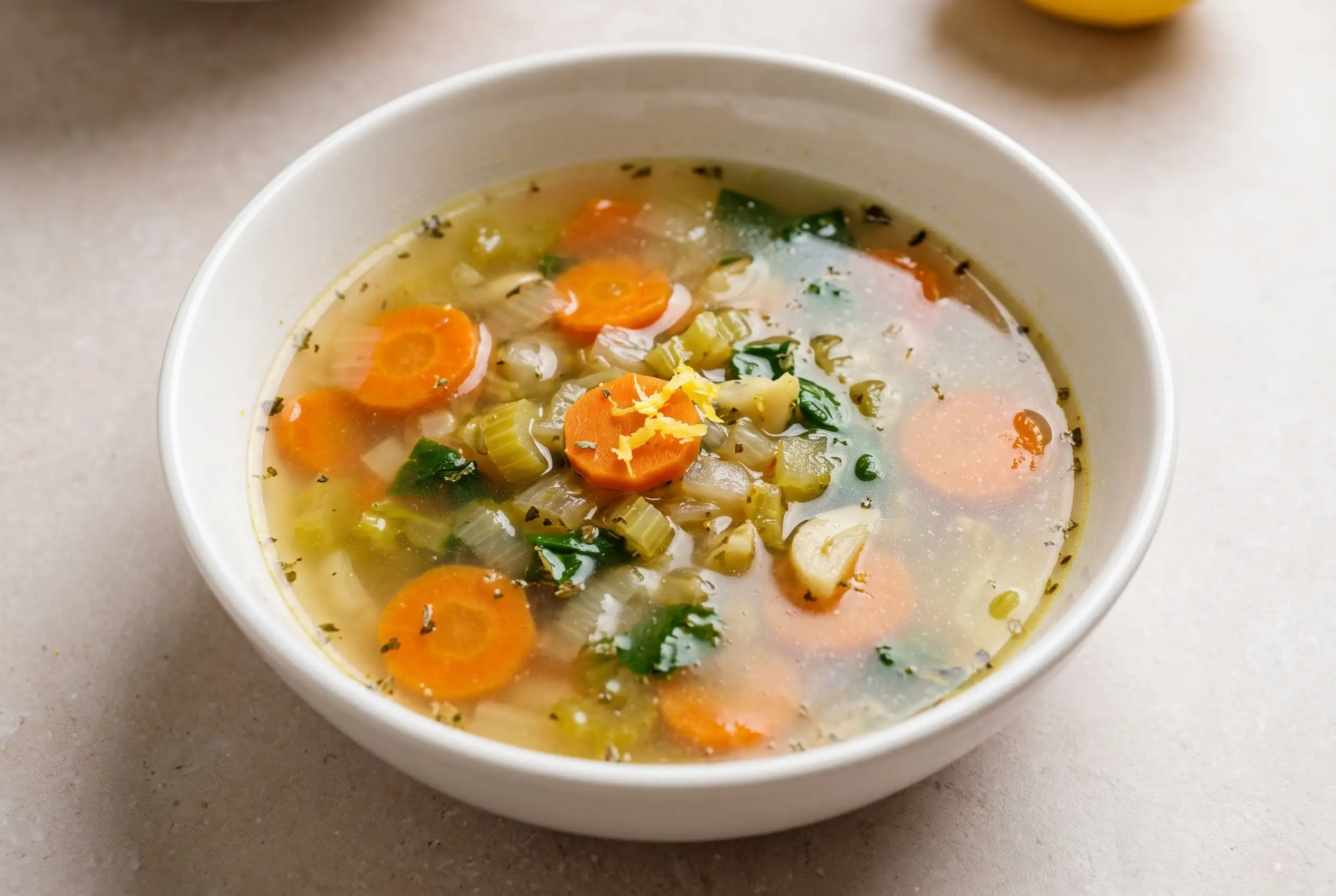
Thai Chicken Soup with Coconut Milk, Lime and Garlic
Thai chicken soup brings together tender chicken, creamy coconut milk, red curry paste, mushrooms, bell pepper, spinach, garlic, ginger, fish sauce, and lime in one comforting bowl. The combination is rich without feeling overly heavy, while the vegetables keep each spoonful lively and colorful.
For a busy evening, easy Thai chicken soup offers a practical balance of warmth and brightness. Garlic and ginger establish the aromatic base, red curry paste gives the broth its defining character, and coconut milk rounds everything out. A little lime juice at the end helps keep the finished soup fresh and lively.
There is also plenty of room to adjust the experience at the table. Fresh cilantro and lime wedges provide a bright finish, while rice or noodles can make the meal feel more substantial when you want extra filling power.
What Gives Thai Chicken Soup Its Distinctive Balance
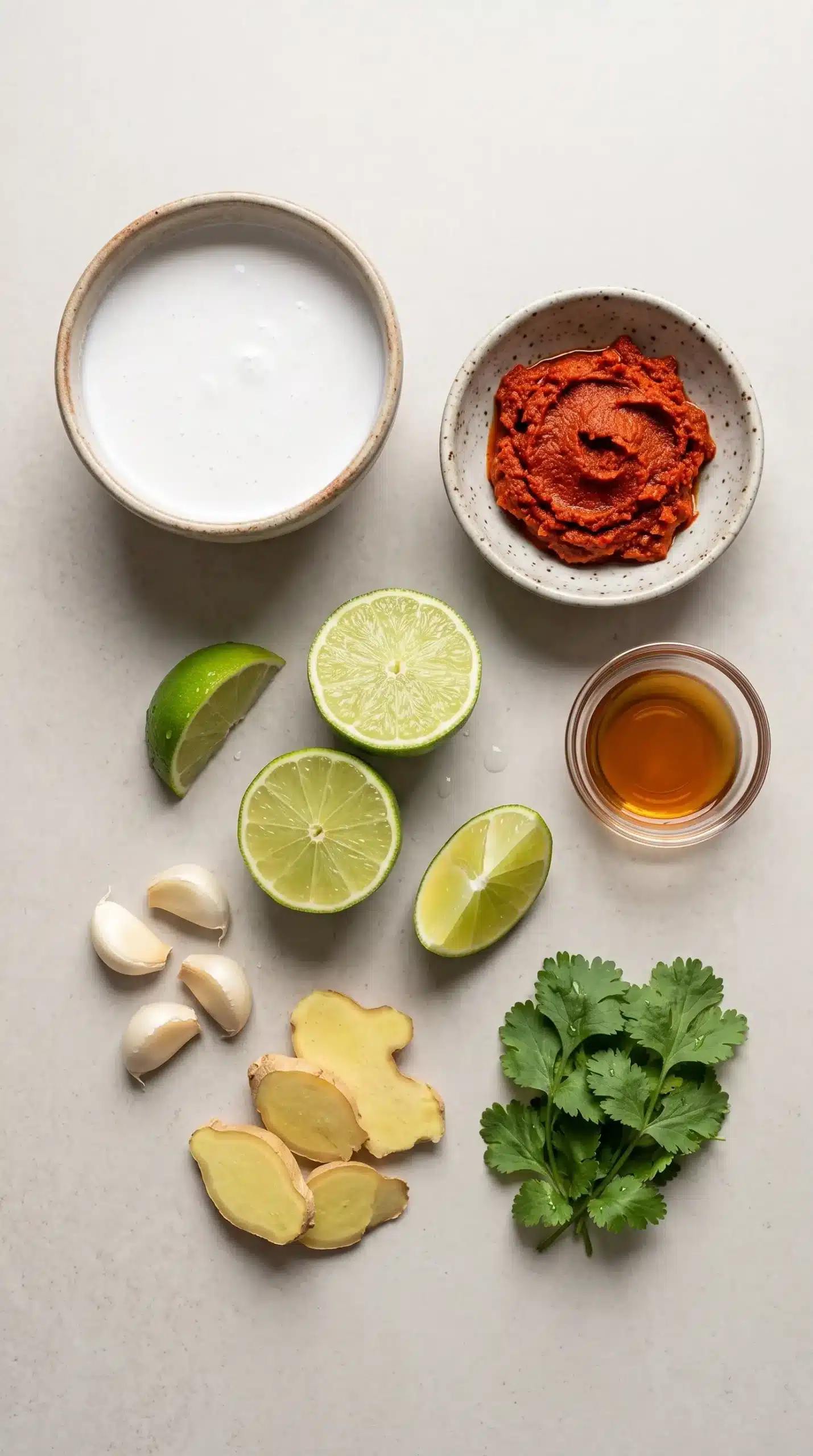
Coconut milk, red curry paste, fish sauce, and lime juice work as the central flavor group here. Coconut milk creates a creamy base, red curry paste brings bold Thai-inspired flavor, fish sauce supplies savory depth, and lime juice adds a sharp finishing note. Garlic and ginger support that combination from the beginning, so the broth develops a layered taste instead of relying on one dominant ingredient.
Build the Aromatic Base Before the Broth
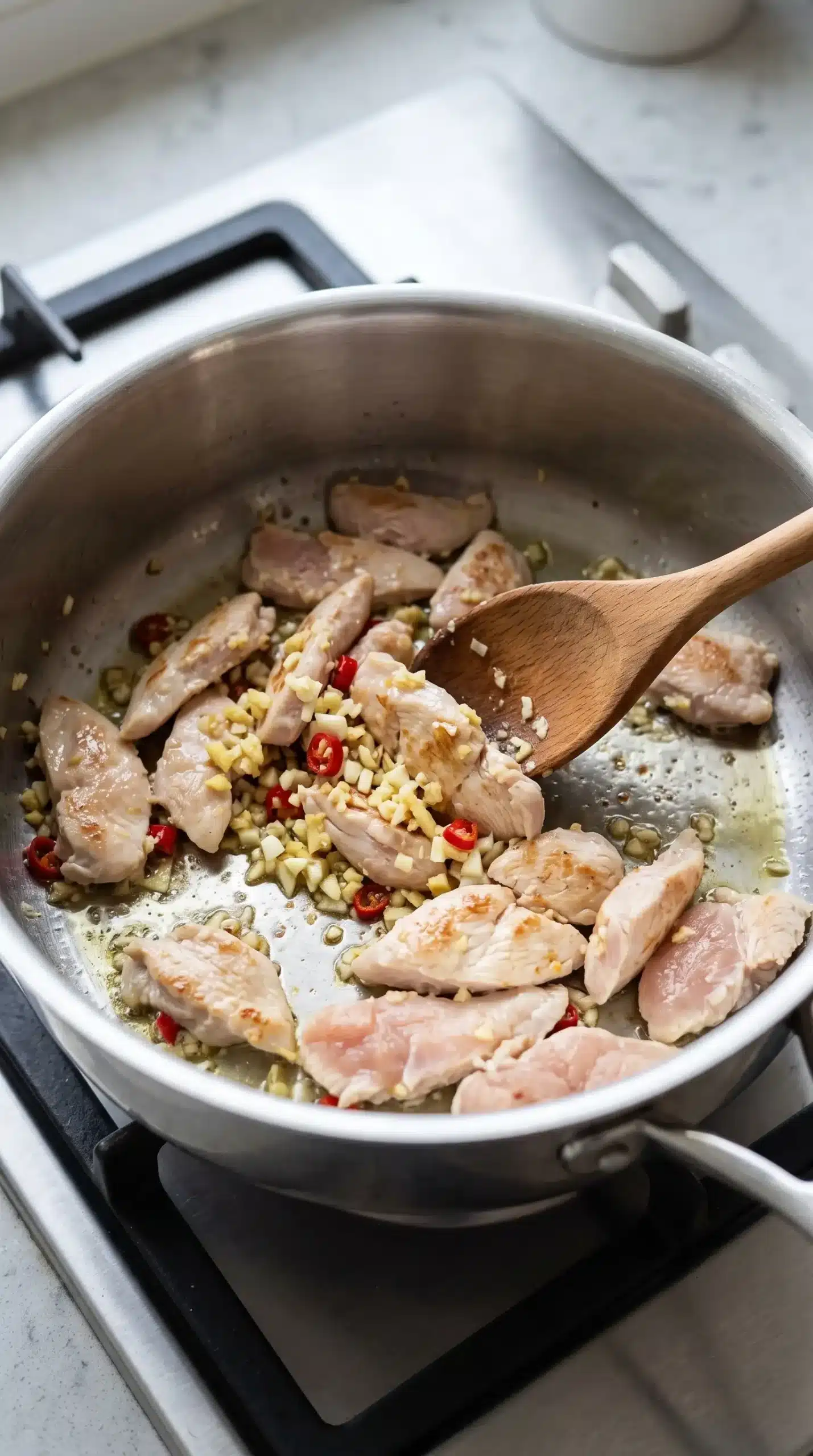
Garlic and ginger deserve attention at the beginning because they establish the first layer of flavor. Cooking them in a little oil over medium heat until fragrant helps release their aroma before the liquid ingredients are introduced. The important cue is fragrance: once the mixture smells aromatic, it is ready for the next stage.
Adding the sliced chicken after the aromatics gives the meat direct contact with the flavorful base. Letting the chicken brown before adding the liquids gives you a useful visual cue that it has started cooking properly. It also keeps the early stages of the soup focused, with the broth added only after the chicken has had time in the pot.
Browning the chicken is more than a visual cue: browning creates flavor and aroma through the Maillard reaction, which produces new flavor compounds as the meat develops its browned surface.
Red curry paste follows the chicken and should be stirred into the pot before the chicken broth and coconut milk go in. Distributing the paste through the developing soup prevents it from remaining concentrated in isolated spots and gives the broth an even curry flavor. Once the liquids are added, bring the mixture to a simmer so the flavors can come together gently; the same ingredient can be used to build a richly seasoned broth in red curry paste-based soup.
Keep the Chicken Tender While It Cooks
Sliced chicken breast cooks more quickly than a large piece of chicken, so the main control point is avoiding unnecessary cooking once it has browned and the soup is simmering. Keep the heat at a simmer after the broth and coconut milk are added, then continue with the vegetables according to their required tenderness. Leftover cooked chicken can also be used when speed matters; it simply needs less cooking because it is already cooked.
Let the Vegetables Set the Texture
Mushrooms and sliced red bell pepper enter before the spinach because they need more time to become tender. Their addition gives the soup texture and keeps the creamy broth from becoming the only noticeable element. Cook them until they reach the tenderness you prefer, watching the pot instead of relying solely on a rigid clock.
Spinach belongs near the end of cooking. It only needs a short time in the hot soup, and the supplied method gives it two minutes alongside the fish sauce and lime juice. Adding it late keeps the finishing stage focused and prevents the greens from becoming the main texture of the bowl.
Carrots, broccoli, peas, or zucchini can also be included when you want more vegetables. Since different vegetables soften at different rates, add any firmer choices early enough to become tender while preserving the short finishing window for spinach.
Thai Chicken Soup Mistakes That Can Dull the Bowl
Overcooking the chicken is one issue to watch because sliced chicken breast can become less pleasant when left on the heat longer than necessary. Brown the chicken at the appropriate stage, then let the simmer finish the cooking process. Using leftover cooked chicken requires even more restraint because it does not need the same cooking time as raw chicken.
Another common problem is treating every vegetable as though it cooks at the same speed. Mushrooms and bell pepper need time to become tender, whereas spinach is added toward the end. Following that distinction keeps the vegetables from competing with one another for texture.
Holding back the lime juice until the finishing stage also matters for the intended flavor balance. Fish sauce and lime juice are added with the spinach near the end, giving you a chance to taste the soup as it approaches serving. If the soup needs more heat or a milder curry character, adjust the amount of red curry paste according to your preference.
Make a Plant-Based Version Without Losing the Character
To turn Thai chicken soup into a vegetarian version, replace the chicken with tofu or chickpeas and use vegetable broth in place of chicken broth. The coconut milk, red curry paste, mushrooms, bell pepper, spinach, garlic, ginger, fish sauce, and lime still define the flavor profile, although the supplied variation is plant-based only if the fish sauce is also replaced with a suitable vegetarian alternative.
| Original component | Suggested change | Resulting direction |
|---|---|---|
| Chicken breast | Tofu | Provides a plant-based replacement while keeping the soup hearty |
| Chicken breast | Chickpeas | Adds a different plant-based texture and keeps the soup substantial |
| Chicken broth | Vegetable broth | Completes the broth change for a vegetarian preparation |
Serve Thai Chicken Soup With a Bright Finish
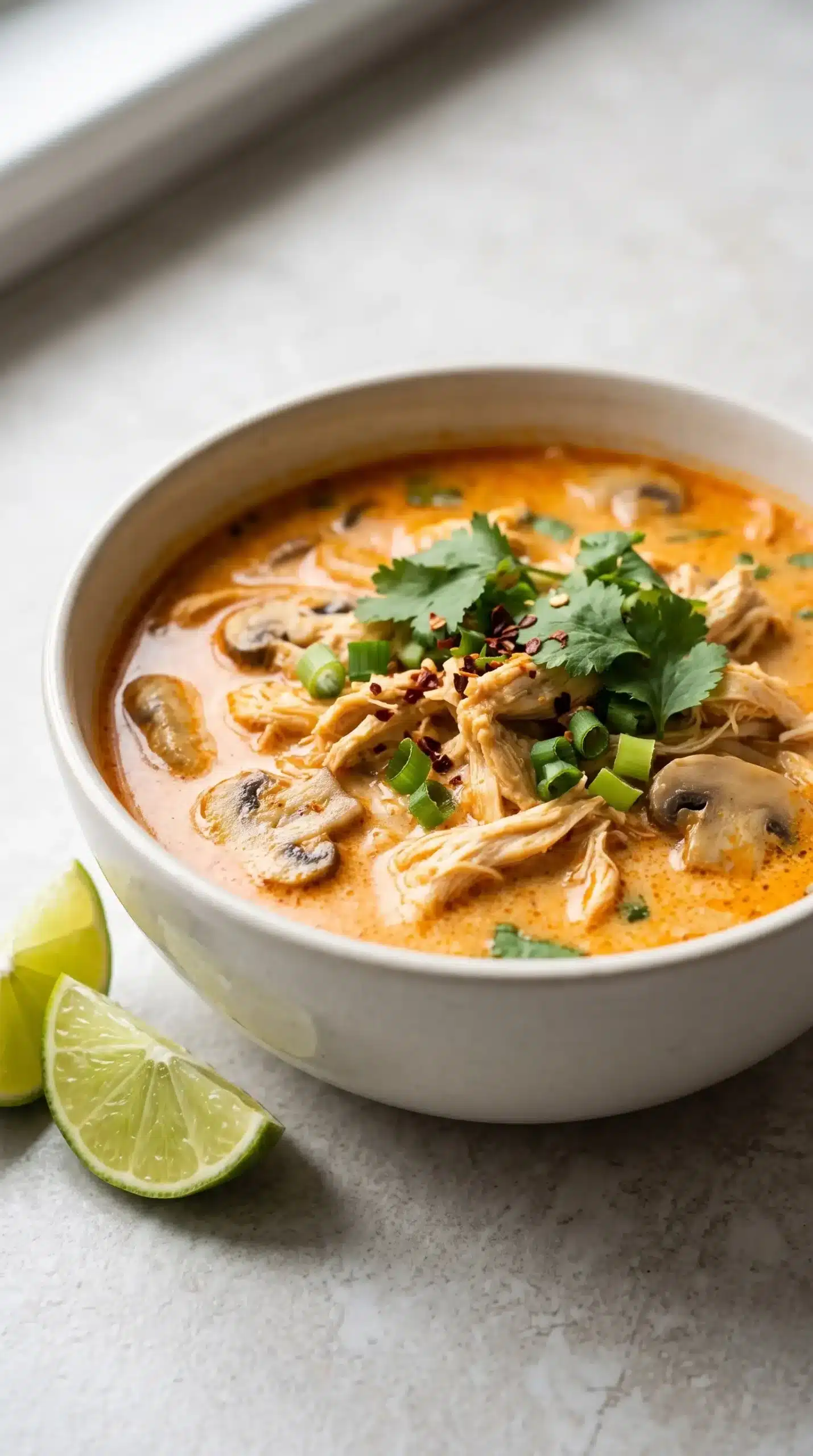
Hot bowls of Thai chicken soup are ready for a simple finishing touch. Fresh cilantro adds a fresh herbal note, while lime wedges let each person add more acidity at the table. That combination is especially useful with the creamy coconut-based broth because it keeps the serving from feeling one-dimensional.
Rice or noodles can be served alongside the soup when a lighter bowl does not feel like enough. Both options make the meal more filling without changing the core soup itself. Keeping them separate also lets diners decide how substantial they want each serving to be.
For a straightforward presentation, ladle the soup into bowls and finish with cilantro. Place lime wedges alongside the servings so the citrus can be added immediately before eating. The contrast between the creamy broth and fresh lime gives the bowl a particularly useful finishing point.
Store the Soup Carefully for Another Meal
Once cooled, Thai chicken soup can be transferred to an airtight container and refrigerated for 3–4 days. It can also be frozen for up to 2 months. When frozen, thaw it overnight in the refrigerator before reheating so the soup is ready for a more controlled return to serving temperature.
Adjust the Curry and Citrus to Your Taste
Red curry paste is the easiest place to change the intensity of the soup. A smaller amount keeps the curry character milder, while increasing it makes the soup spicier. Because the paste is stirred into the pot before the broth and coconut milk are added, the adjustment is best made with your desired overall heat level in mind.
Lime juice serves a different purpose from curry paste. Its role is to provide a refreshing acidic finish, so it works especially well when added toward the end with the spinach and fish sauce. Lime wedges at serving time provide another opportunity to brighten individual bowls.
Fish sauce should remain part of the flavor balance rather than becoming the only noticeable savory note. Since it is added close to the end, you can taste the soup as it nears completion and decide whether the finished bowl has the character you want. If making the gluten-free version, use gluten-free fish sauce as specified in the supplied guidance.
Vegetables Make Each Bowl More Complete
Spinach, mushrooms, and red bell pepper give the soup a useful mix of textures and colors while adding vegetables to the meal. The chicken supplies protein, spinach contributes vitamins and minerals, coconut milk provides fat, and the vegetables contribute fiber, making the combination feel balanced as a complete bowl of food.
The Broth Comes Together Through Timing
The most important cooking judgment is knowing when each element has done its job. Garlic and ginger need only enough heat to become fragrant, chicken benefits from browning, mushrooms and bell pepper need time to become tender, and spinach belongs near the finish. That progression gives the soup distinct layers instead of cooking every component for the same length of time.
Once the coconut milk and chicken broth are simmering with the curry paste, the soup has its main structure. The late addition of spinach, fish sauce, and lime juice then shapes the finished flavor. Keeping those stages distinct helps preserve both the creamy base and the fresh finishing notes that make Thai chicken soup recognizable.
Thai Chicken Soup Questions About Heat and Storage
Can frozen chicken be used for Thai chicken soup?
Frozen chicken can be used, but it should be thawed before cooking so the sliced pieces cook evenly. Once thawed, follow the preparation approach for the chicken in the supplied recipe, including browning it before adding the broth and coconut milk.
How can the soup be made less spicy?
Reduce the amount of red curry paste when preparing the soup. Since the paste controls much of the curry heat, using less creates a milder bowl while retaining the coconut, garlic, ginger, vegetable, fish sauce, and lime elements.
Can more vegetables be added?
Yes. Carrots, broccoli, peas, and zucchini are specifically suitable additions from the supplied guidance. Add vegetables according to how long they need to become tender, keeping spinach toward the end so it does not spend unnecessary time cooking.
Is Thai chicken soup gluten-free?
The supplied guidance describes the soup as gluten-free when gluten-free fish sauce is used. Because fish sauce is part of the finished flavor balance, checking that ingredient is the key consideration when maintaining the gluten-free preparation.
What can be served with Thai chicken soup?
Rice or noodles can accompany the soup when you want a more filling meal. Fresh cilantro and lime wedges are also useful at serving because they add the fresh finishing flavors intended for the bowl without changing the soup’s creamy base.
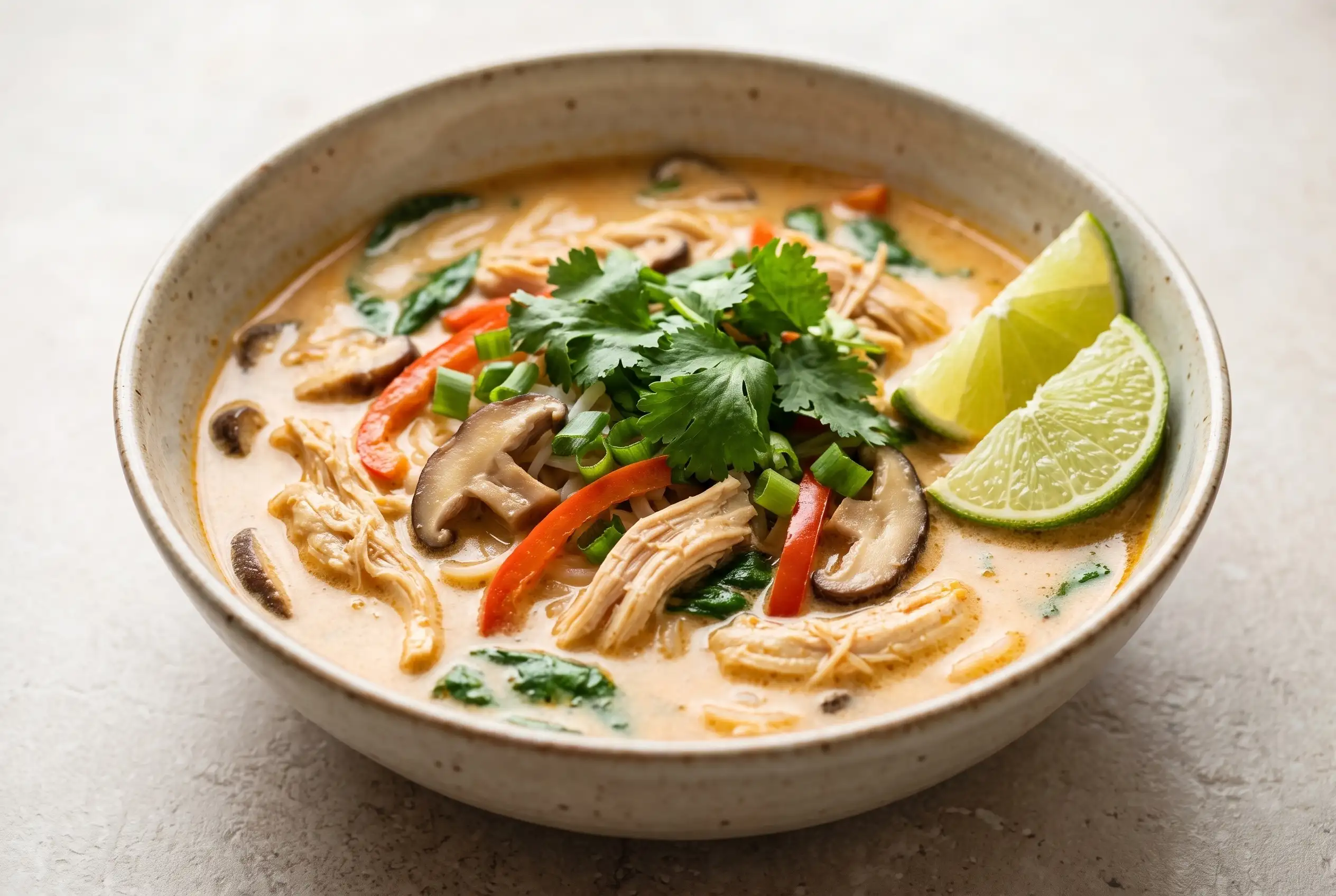
Thai Chicken Soup with Coconut Milk, Lime and Garlic
Ingredients
Method
- Warm the oil in a large pot over medium heat. Add the minced garlic and ginger and sauté until fragrant.
- Add the sliced chicken breast and cook until browned.
- Mix the red curry paste into the chicken. Pour in the chicken broth and coconut milk, then bring the soup to a simmer.
- Add the mushrooms and red bell pepper. Continue cooking until the vegetables are tender and the chicken reaches 165°F / 74°C.
- Add the spinach, fish sauce, and lime juice. Cook for 2 minutes.
- Ladle the soup into bowls and serve hot with fresh cilantro and lime wedges.