Southwest Ground Beef and Potato Skillet with Corn
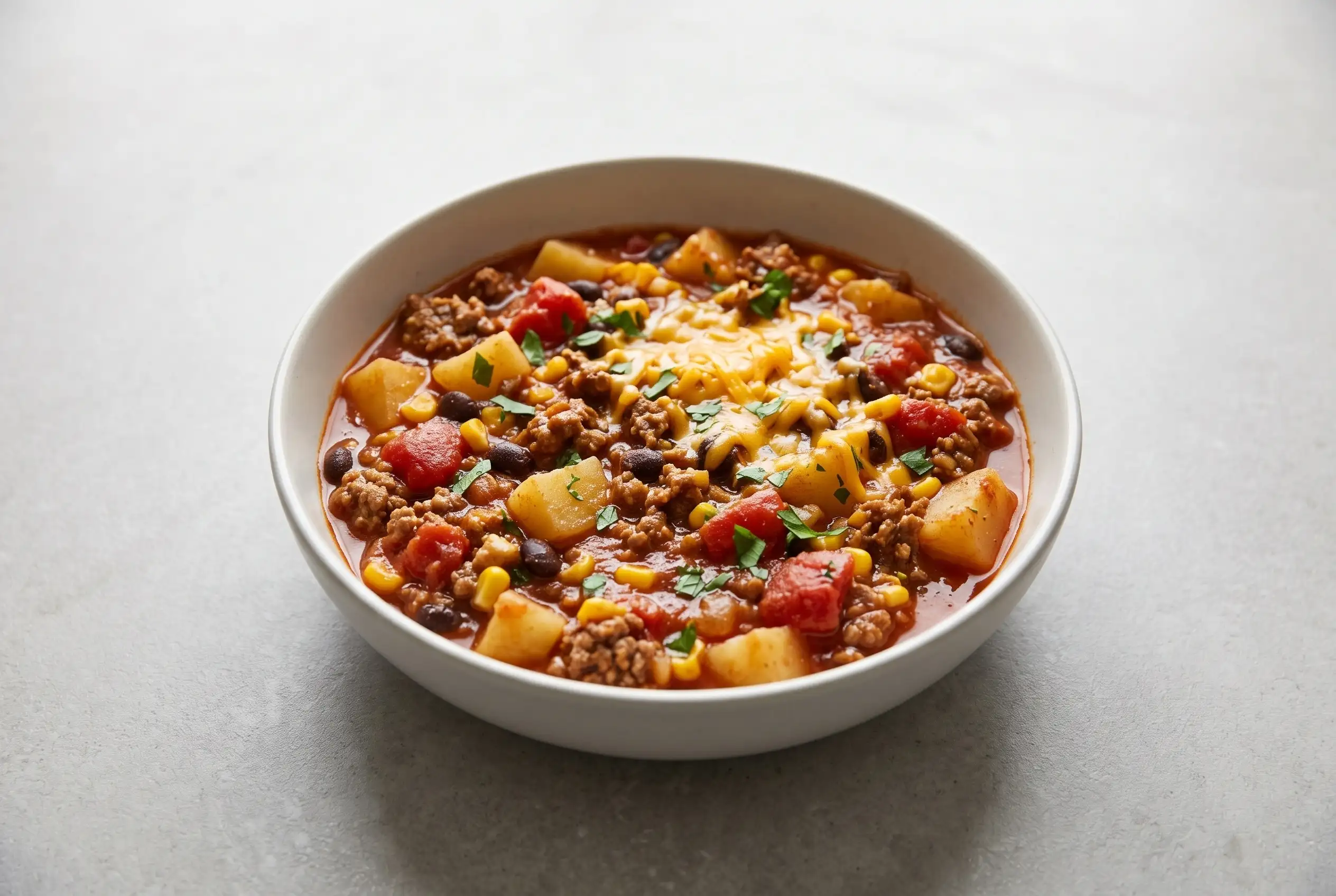
Southwest ground beef skillet brings browned beef, tender potatoes, black beans, corn, onion, and bell pepper together in one hearty pan. Chili powder and cumin give the mixture its warm Southwest character, while optional cheddar and fresh cilantro add a simple finishing touch.
Busy evenings are a natural fit for a ground beef and potato skillet because the meal comes together in one cooking vessel. The combination is filling without requiring a complicated preparation process, and the vegetables, beans, potatoes, and beef create plenty of texture in every serving.
A southwest beef and potato skillet also gives you flexibility at the table. Serve it straight from the pan, tuck portions into warm tortillas, or add a side salad when you want something fresh alongside the savory filling.
Why the Southwest Ground Beef Skillet Works So Well
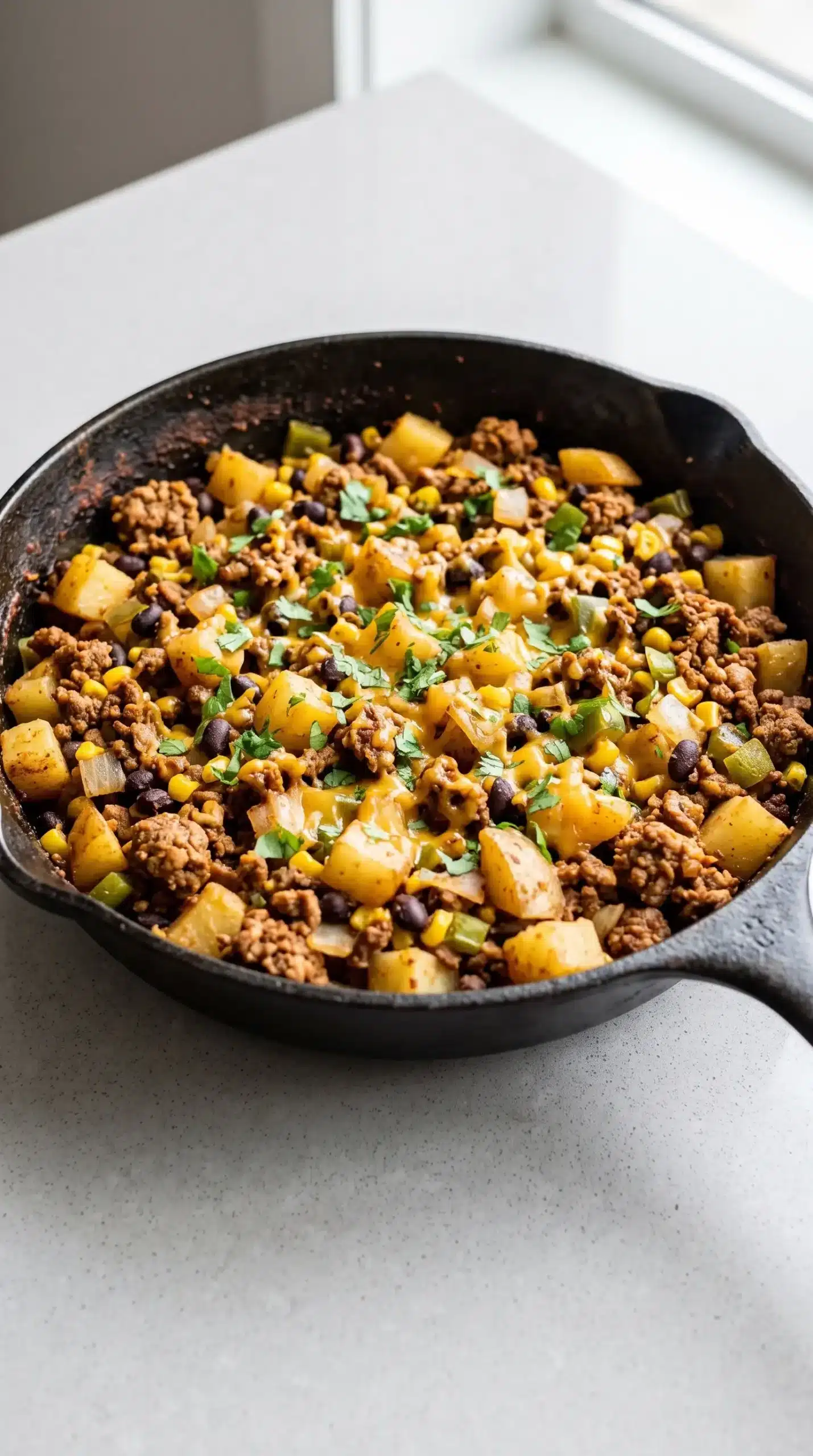
Ground beef supplies the savory base, while potatoes make the skillet substantial and satisfying. Black beans and corn extend the mixture with contrasting textures, and the onion and bell pepper bring softness and vegetable flavor as they cook.
Meanwhile, chili powder and cumin keep the seasoning focused. The combination is flavorful without making the dish inherently hot, so the finished skillet can stay mild or be given more heat with jalapeños or hot sauce.
One pan also keeps the cooking process straightforward. The vegetables soften first, the beef browns in the same skillet, and the remaining ingredients cook together until the potatoes become tender. That arrangement makes a one pan ground beef skillet particularly practical for a weeknight dinner.
Potatoes Need the Right Place in the Skillet
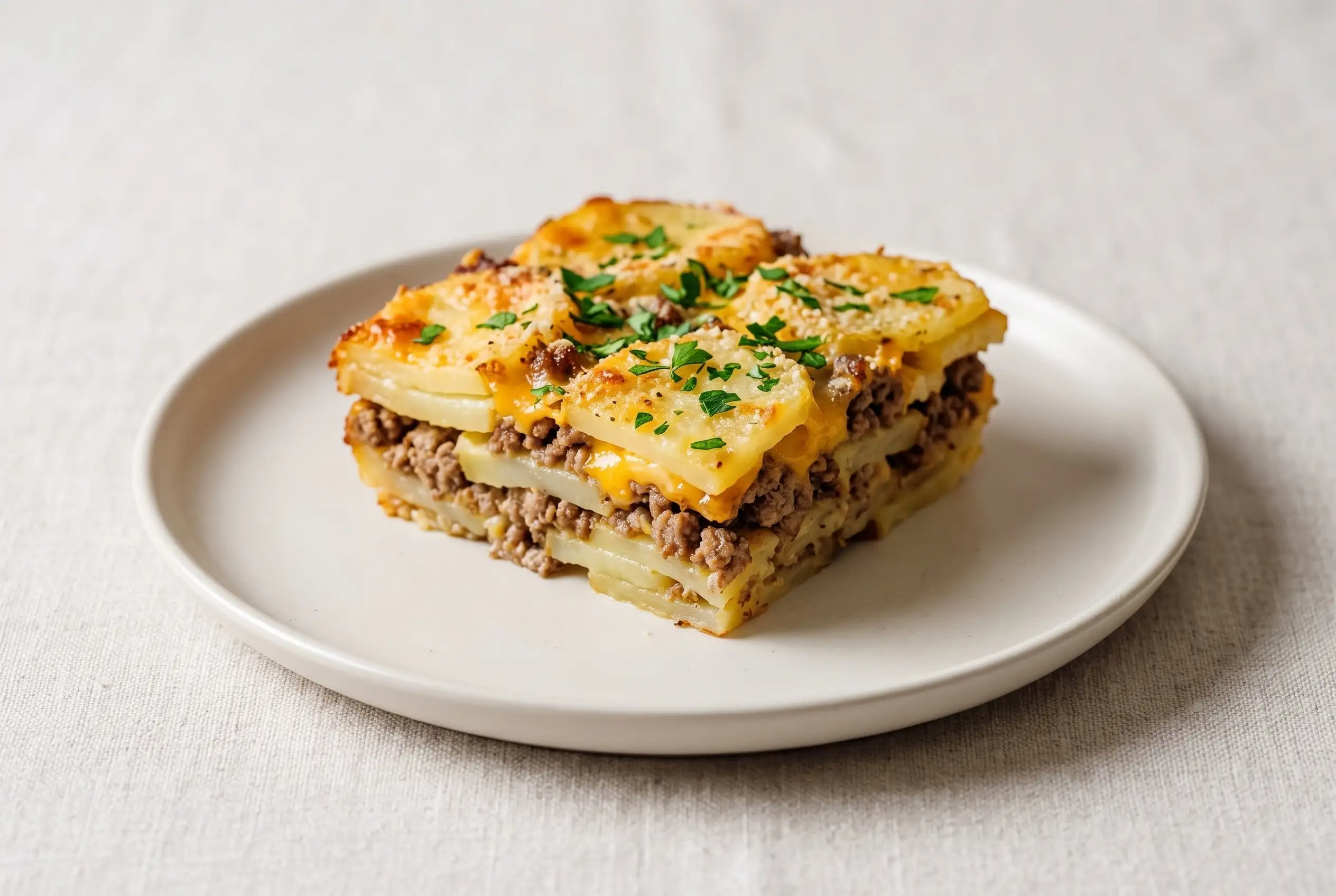
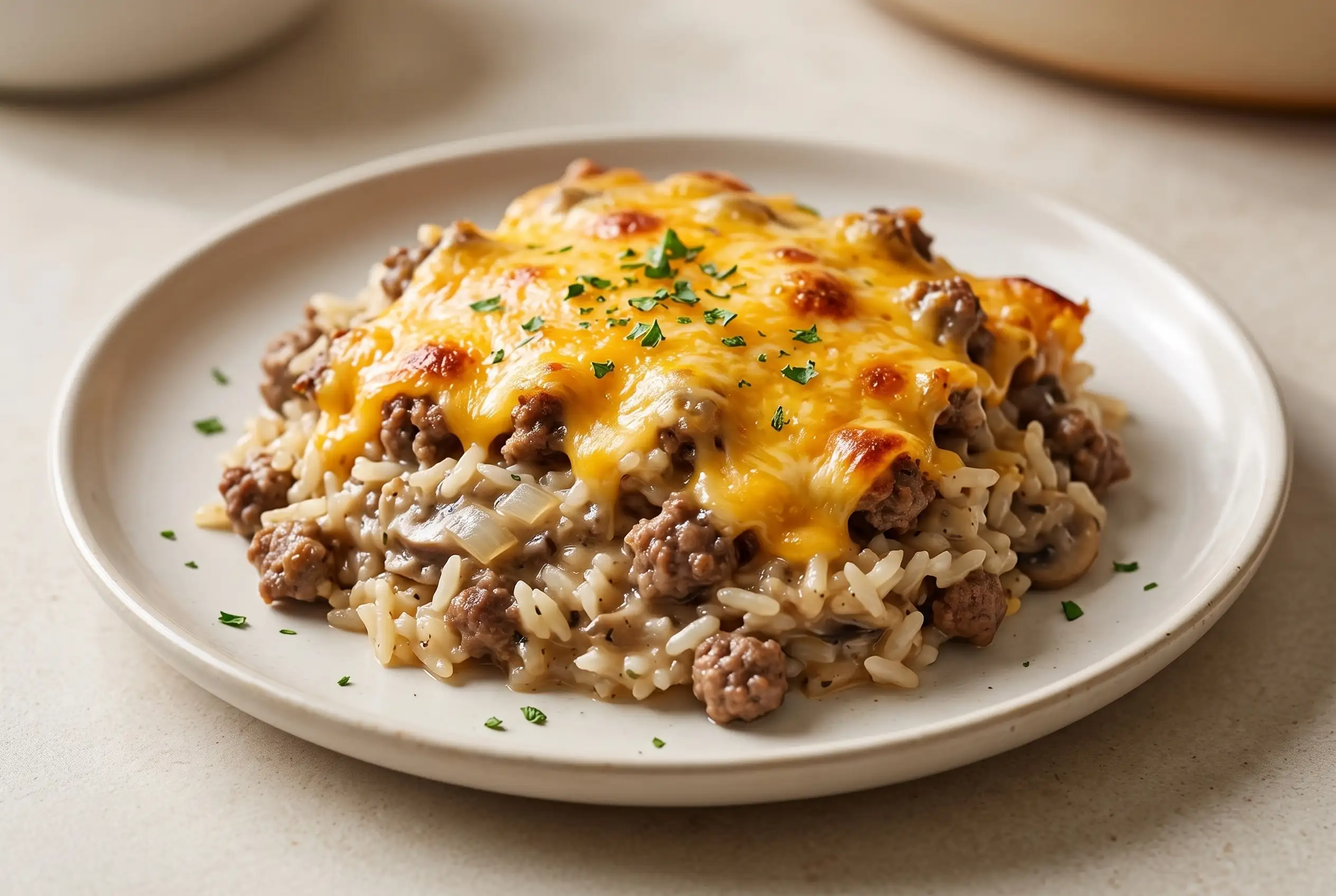
Diced potatoes are important to the texture of the southwest ground beef skillet, so keep their pieces reasonably uniform when cutting them. Similar-sized pieces are more likely to become tender together during the covered cooking period, and a hearty ground beef and potato casserole follows the same practical pairing of beef and potatoes for a substantial meal.
| Ingredient group | Best preparation cue | Role in the finished skillet |
|---|---|---|
| Potatoes | Dice into similar-sized pieces | Tender, hearty base |
| Black beans | Drain and rinse | Protein-rich, substantial addition |
| Corn | Add with the other skillet ingredients | Sweet, tender contrast |
| Onion and bell pepper | Chop before cooking | Soft vegetable foundation |
Build Flavor Before the Potatoes Go In
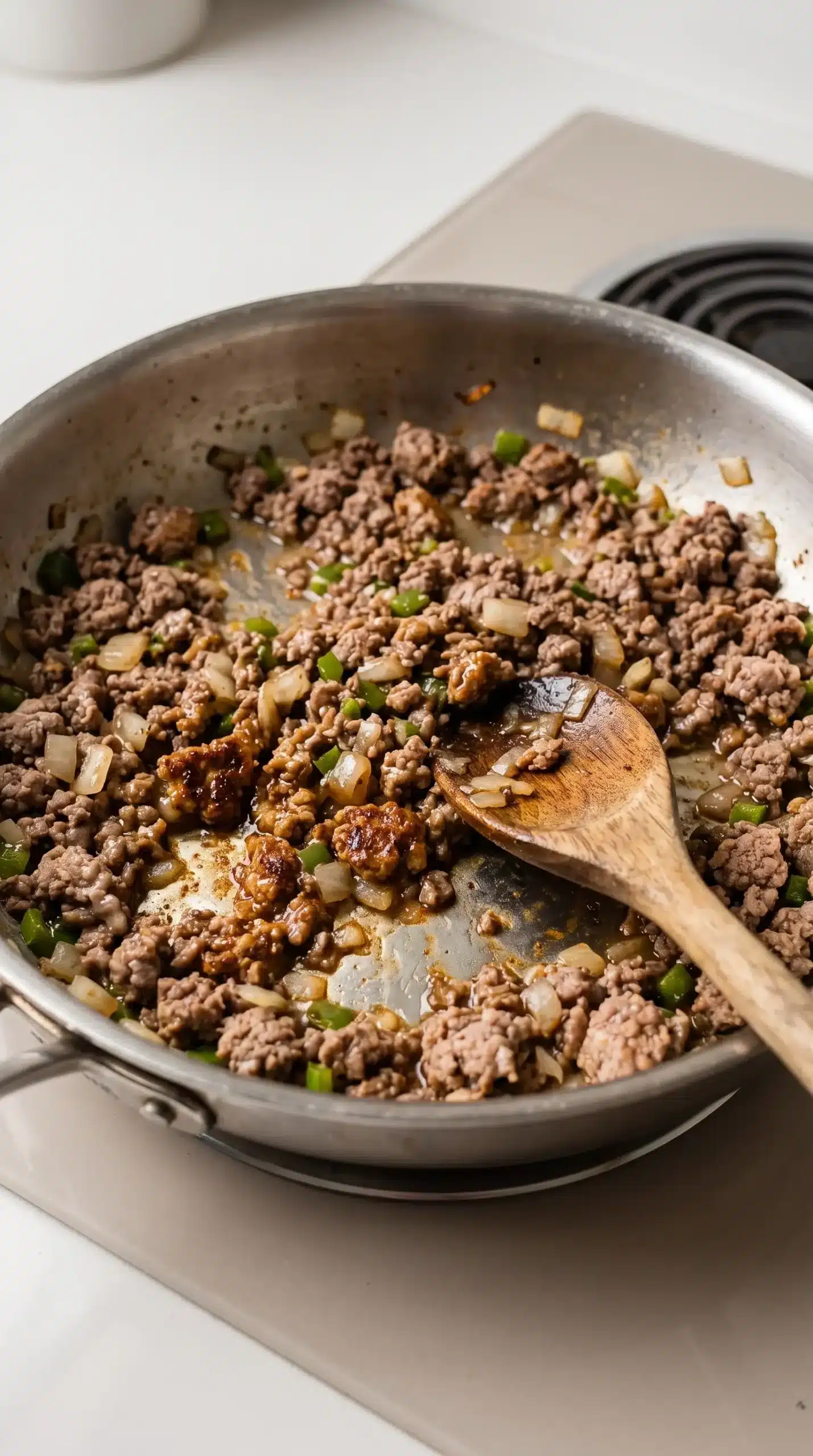
Softening the onion and bell pepper in a little olive oil establishes the vegetable base before the heavier ingredients enter the pan. Letting them cook until pleasantly soft matters because they continue to share their flavor with the beef during browning.
Once the ground beef is added, give it enough contact with the skillet to become browned before mixing in the remaining ingredients. Browning creates a more developed savory character and prevents the meat from simply becoming another pale component mixed among the vegetables.
After the beef has browned, the diced potatoes, beans, corn, chili powder, cumin, salt, and pepper can be incorporated. At that point, stirring should distribute the seasonings and ingredients evenly without turning the mixture into a mash.
Chili Powder and Cumin Set the Southwest Character
The seasoning combination is deliberately simple: chili powder supplies the recognizable Southwest direction, while cumin contributes a warm, earthy note. Because the supplied seasonings do not make the skillet especially spicy, heat can be adjusted separately with jalapeños or hot sauce if desired.
Control Moisture and Potato Tenderness
Covering the skillet during the potato-cooking stage is an important piece of execution. The covered pan creates the environment needed for the diced potatoes to soften while the beans, corn, beef, and vegetables remain together.
Stir occasionally during the covered cooking period so the mixture cooks evenly and the potatoes do not remain untouched against one part of the pan. The useful cue is tenderness: continue cooking until the potato pieces are tender enough to eat comfortably.
When the potatoes are ready, avoid unnecessary extra cooking. The beef has already been browned, and the beans and corn do not need a long cooking process. Keeping the attention on potato tenderness helps preserve the distinct components of the skillet.
| Cooking point | What to look for | What to do |
|---|---|---|
| Vegetables | Onion and bell pepper are soft | Move on to browning the beef |
| Ground beef | Beef is browned | Combine with the remaining ingredients |
| Covered skillet | Potatoes are still firm | Continue cooking and stir occasionally |
| Ready to serve | Potatoes are tender | Finish with optional toppings |
Choose a Finish That Fits the Meal
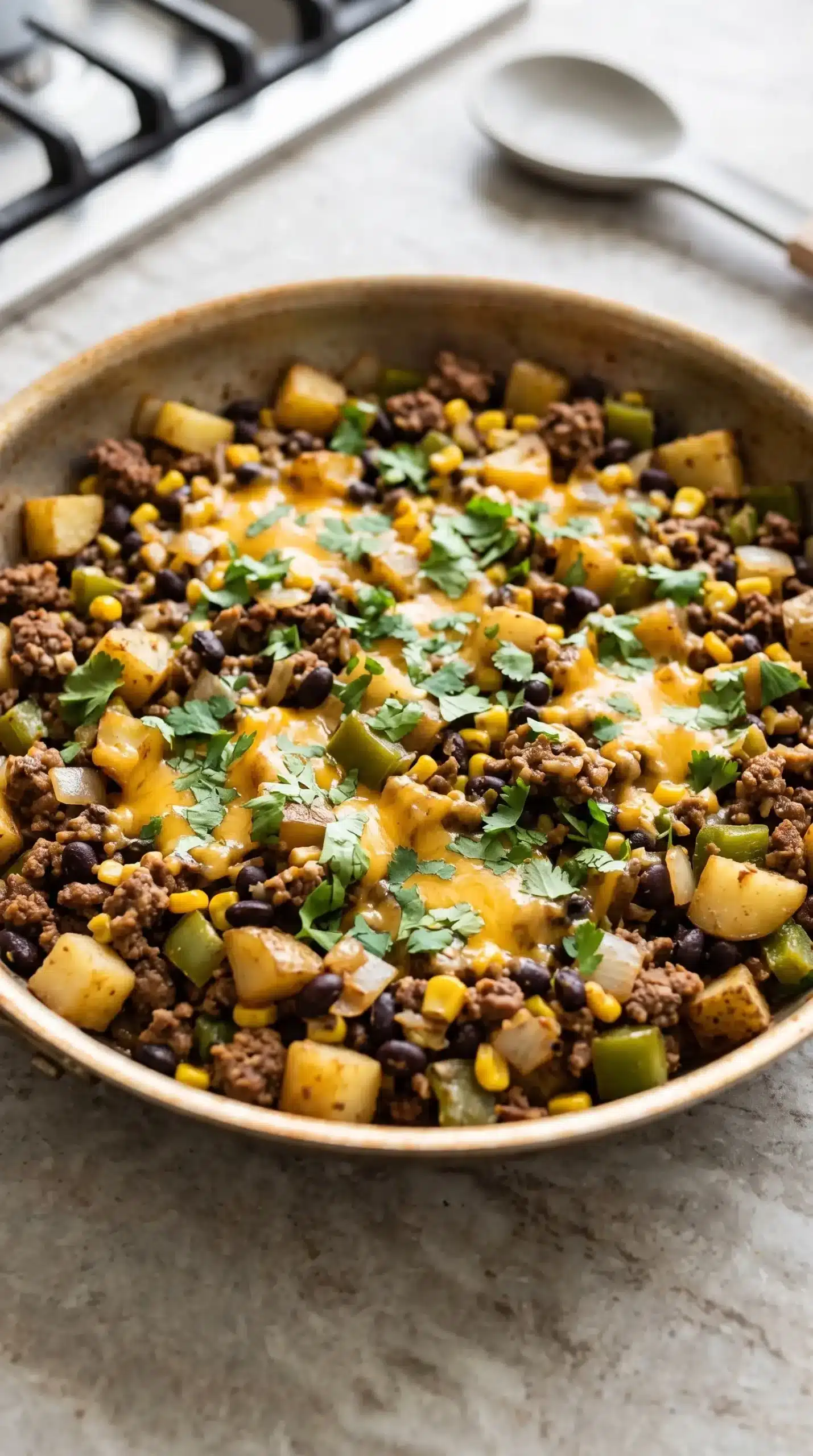
Cheddar cheese is an optional topping that can be sprinkled over the hot skillet and covered briefly so it melts. Fresh cilantro can then be scattered over the top for a fresh finishing note.
Southwest Ground Beef Skillet Serving Ideas
Serve the skillet hot on its own for a complete, filling meal. Warm tortillas make it easy to turn the beef-and-potato mixture into a handheld meal, while a side salad adds a crisp contrast to the warm skillet.
- For a simple plate: Serve the skillet hot with no additional side.
- For a tortilla meal: Spoon the warm mixture into tortillas.
- For a fresh contrast: Add a side salad.
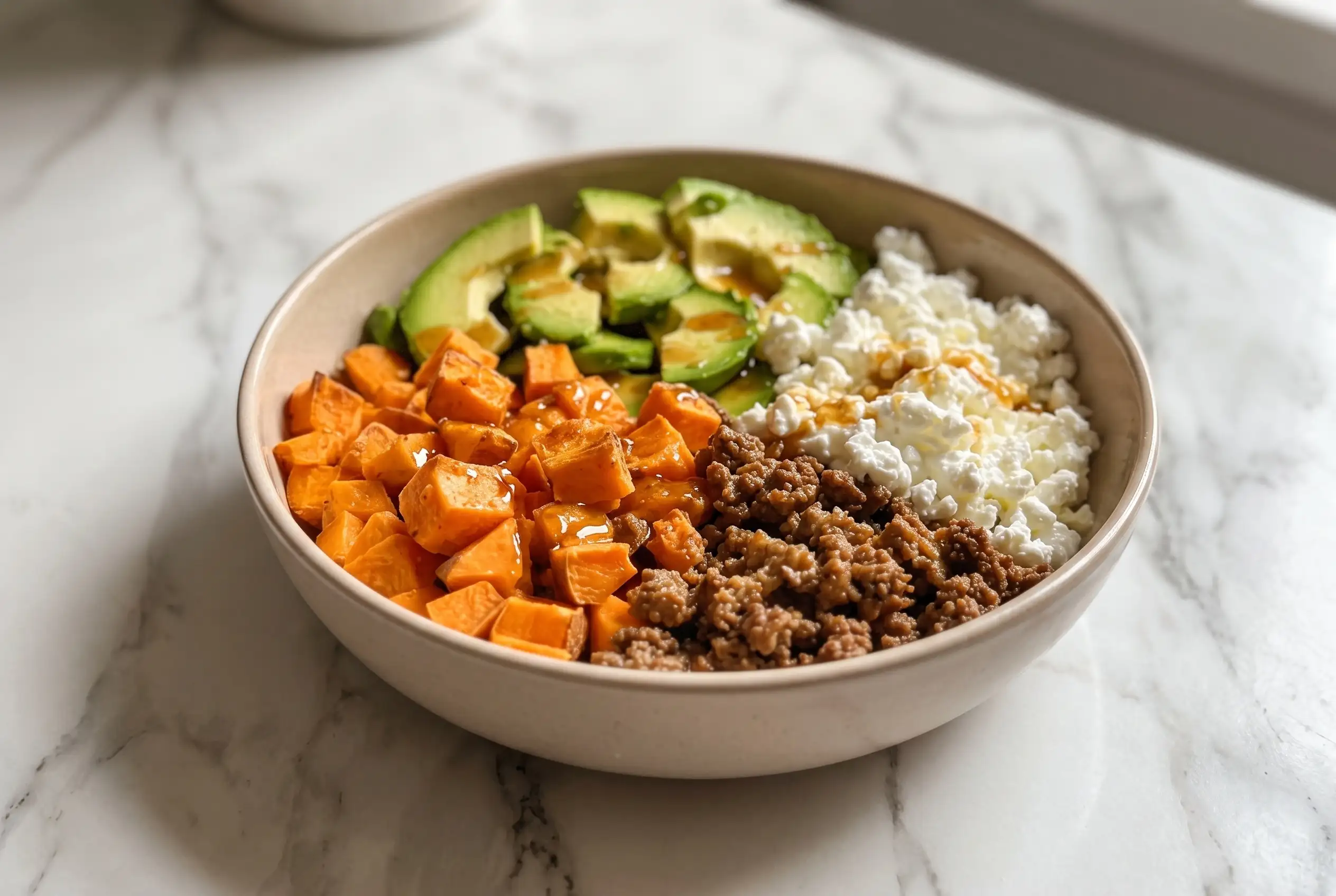
- For a creamy finish: Add avocado or a dollop of sour cream.
Easy Ingredient Changes Without Losing the Skillet
Ground turkey or chicken can replace the beef when you want a different protein. The basic structure remains centered on potatoes, beans, corn, and vegetables, so the substitution does not require rebuilding the dish around a completely different set of ingredients.
Different beans can also be used when black beans are not what you have available. A vegetarian version is possible by relying on beans and extra vegetables in place of the beef, keeping the skillet centered on the same hearty combination.
Extra vegetables such as zucchini or carrots can expand the mixture. For more heat, jalapeños or hot sauce are suitable additions, while reducing the chili powder can keep the seasoning milder for diners who prefer less intensity.
Leftovers Stay Useful for Another Meal
Allow leftover southwest ground beef skillet to cool completely before transferring it to an airtight container. Refrigerated portions can be kept for up to 3 days, then reheated in a skillet on the stove or in the microwave until hot.
A Few Southwest Ground Beef Skillet Mistakes to Avoid
Uneven potato pieces can create an awkward texture, with some pieces tender while others remain firm. Cutting the potatoes into similarly sized dice gives the covered cooking stage a better chance of producing consistent tenderness.
Skipping the vegetable-softening stage can also change the character of the skillet. Onion and bell pepper should be sautéed until soft before the ground beef is added, giving the vegetables time to develop their texture before everything cooks together.
Leaving the skillet uncovered during the potato stage can interfere with the intended cooking process. Keep it covered and stir occasionally, then use potato tenderness as the deciding cue for when the dish is ready. If the potatoes are not yet tender, give them additional cooking time before finishing the skillet.
What Makes the Meal Filling
Ground beef and black beans provide protein, while potatoes and corn contribute carbohydrates for energy. Onion and bell pepper add vegetables to the combination, creating a meal with several different food components in the same skillet.
The supplied serving information places the dish at about 350 calories, 20 grams of protein, and 15 grams of fat per serving. Those figures make the skillet a substantial option for a filling meal while keeping the preparation centered on familiar ingredients.
Frozen Ingredients Can Fit the Same Cooking Plan
Frozen potatoes or frozen corn can be used when fresh ingredients are not available. They may need a few additional minutes of cooking, so watch the potatoes closely and use tenderness as the practical indicator that the skillet is ready.
Tender Potatoes Make the Southwest Ground Beef Skillet Complete
Tender potatoes are the clearest finishing cue for the southwest ground beef skillet. Once they have cooked through under the covered skillet, the browned beef, beans, corn, and softened vegetables can remain together as a cohesive meal without requiring another complicated step.
From there, the optional cheddar and cilantro can be chosen according to preference, with tortillas, salad, avocado, or sour cream offering additional ways to serve the same warm skillet.
Southwest Ground Beef Skillet Questions About Storage and Cooking
Can the skillet be prepared ahead of serving time?
Yes. The cooked mixture can be prepared in advance and reheated when needed. Keep it refrigerated after cooling completely, then reheat leftovers to 165°F as measured with a food thermometer before serving.
How can I make the skillet spicier?
Jalapeños or hot sauce are the most direct options supplied for increasing the heat. Adding either allows the base seasoning of chili powder and cumin to remain intact while giving individual portions more spice.
What should I do if the potatoes are still firm?
Continue cooking the covered skillet until the potatoes become tender, stirring occasionally. The potato texture is the key indicator here, so additional cooking time is more useful than adding unrelated ingredients.
Can I use another type of meat?
Ground turkey or ground chicken can replace the ground beef. The skillet can also be made vegetarian by leaving out the beef and using beans with extra vegetables.
Are black beans required?
Black beans can be replaced with different beans if needed. Drain and rinse canned beans before adding them so they are ready to join the skillet without their canning liquid.
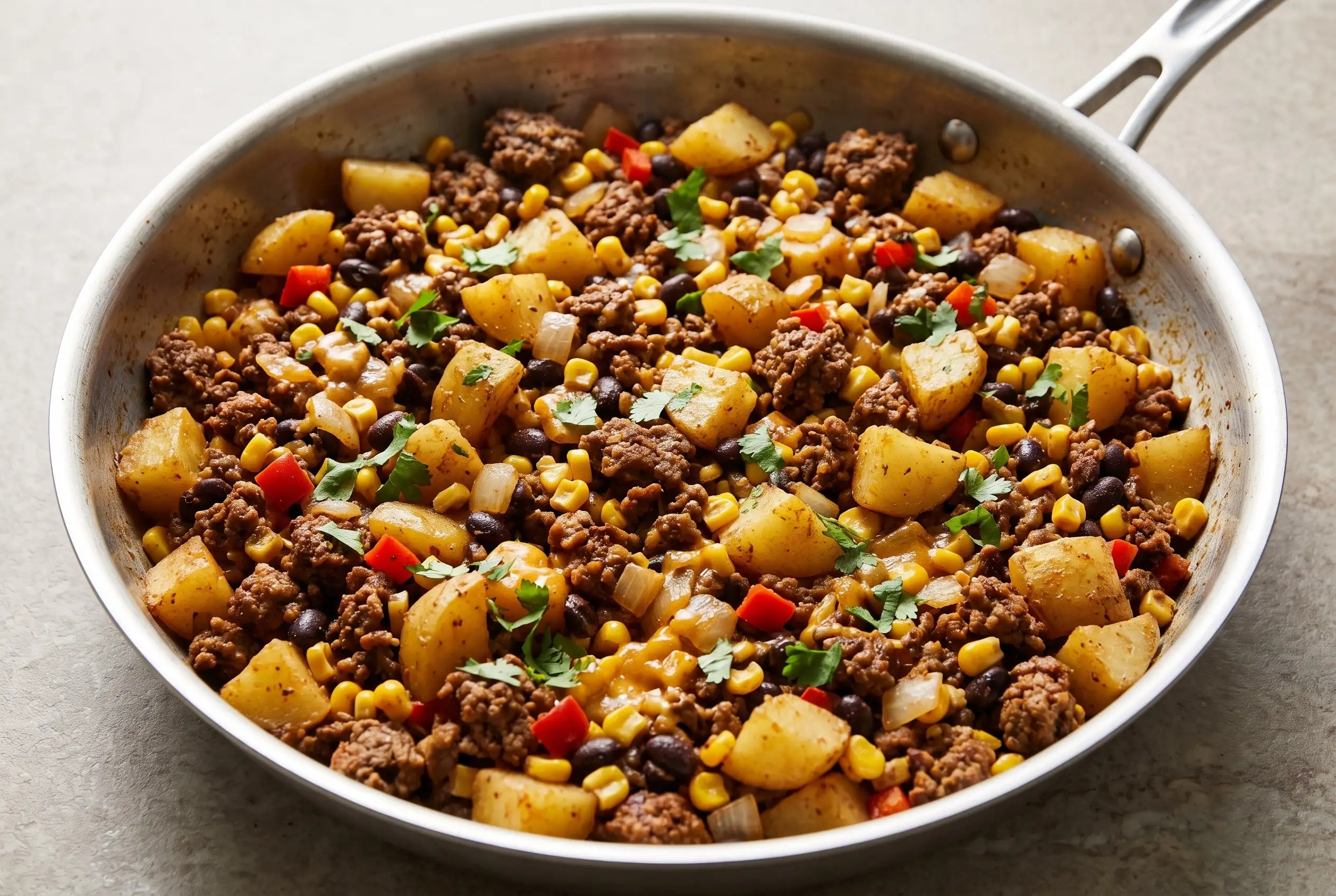
Southwest Ground Beef and Potato Skillet with Corn
Ingredients
Method
- Warm the olive oil in a large skillet over medium heat.
- Add the onion and bell pepper, then cook until the vegetables have softened.
- Add the ground beef and cook, breaking it apart as it browns.
- Stir in the potatoes, black beans, corn, chili powder, cumin, salt, and pepper.
- Cover the skillet and cook for 15-20 minutes, stirring occasionally, until the potatoes are tender.
- If using cheddar cheese, scatter it over the skillet, cover, and continue cooking until melted.
- Finish with fresh cilantro and serve hot.