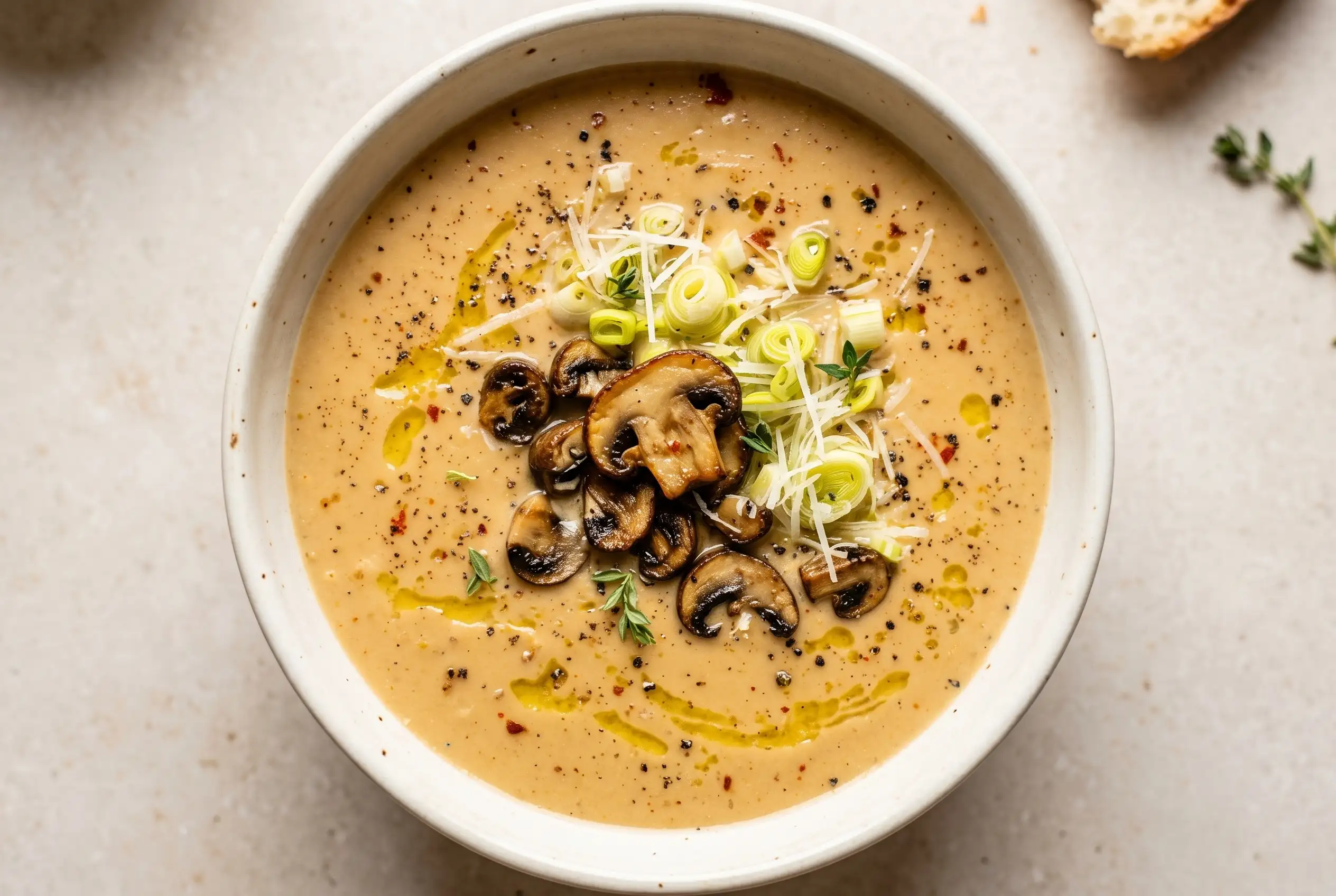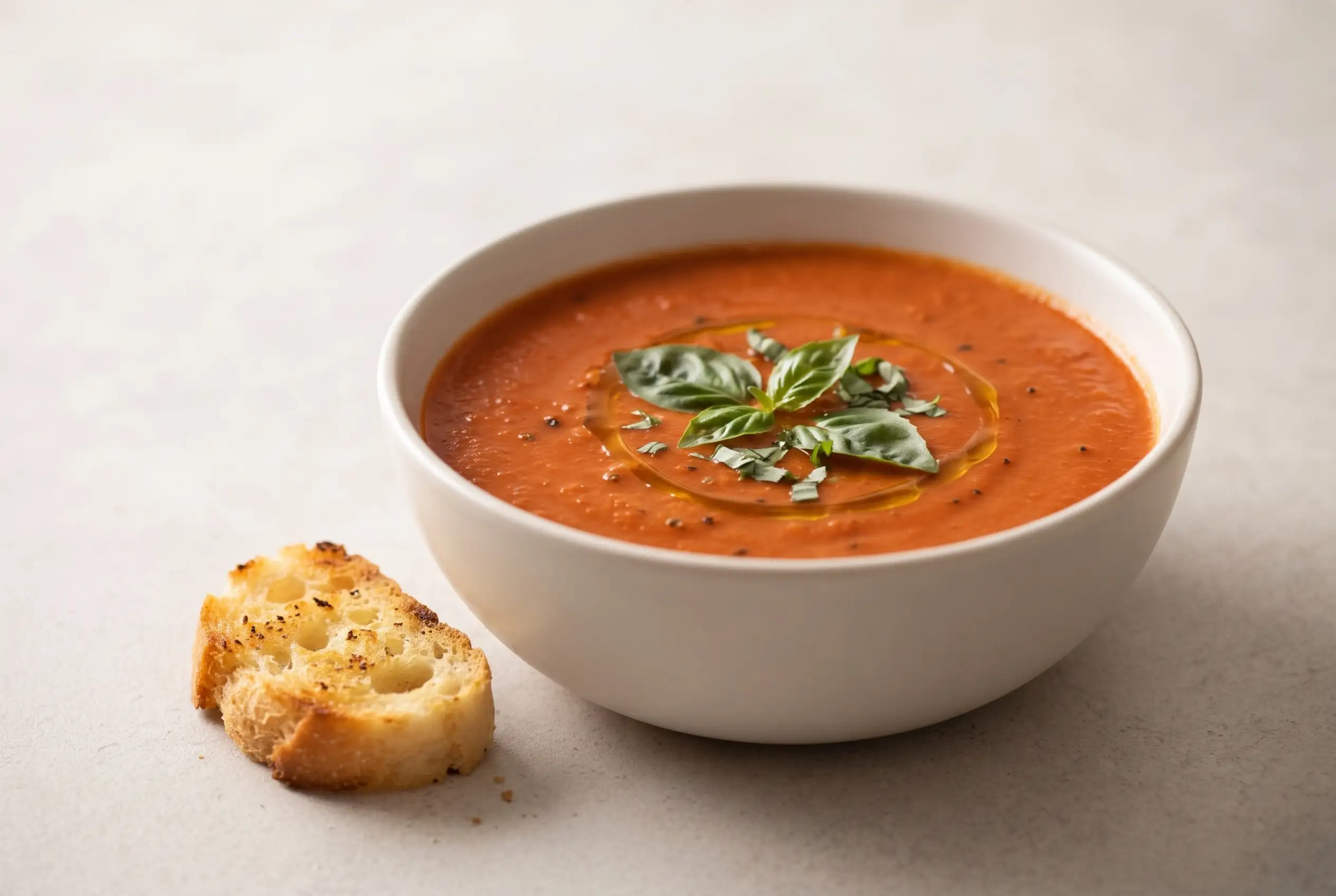
Amish Snow Day Soup with Vegetables, Corn and Pasta
Amish Snow Day Soup brings together tender vegetables, tomatoes, corn, herbs, and pasta in a warm bowl that feels especially fitting on a cold winter day. The combination can stay light and broth-forward or become richer with heavy cream, giving an Amish soup recipe a flexible finish for a cozy meal.
Amish Snow Day Soup Fits Cold-Weather Comfort
Cold days call for food that is warm, filling, and uncomplicated. Amish Snow Day Soup meets that need with a vegetable-filled base and tender potato, while cooked egg noodles make each bowl more substantial. The ingredients are familiar, and the finished soup works well for a relaxed family meal or a gathering at home.
The Vegetable Base Sets Up the Whole Bowl
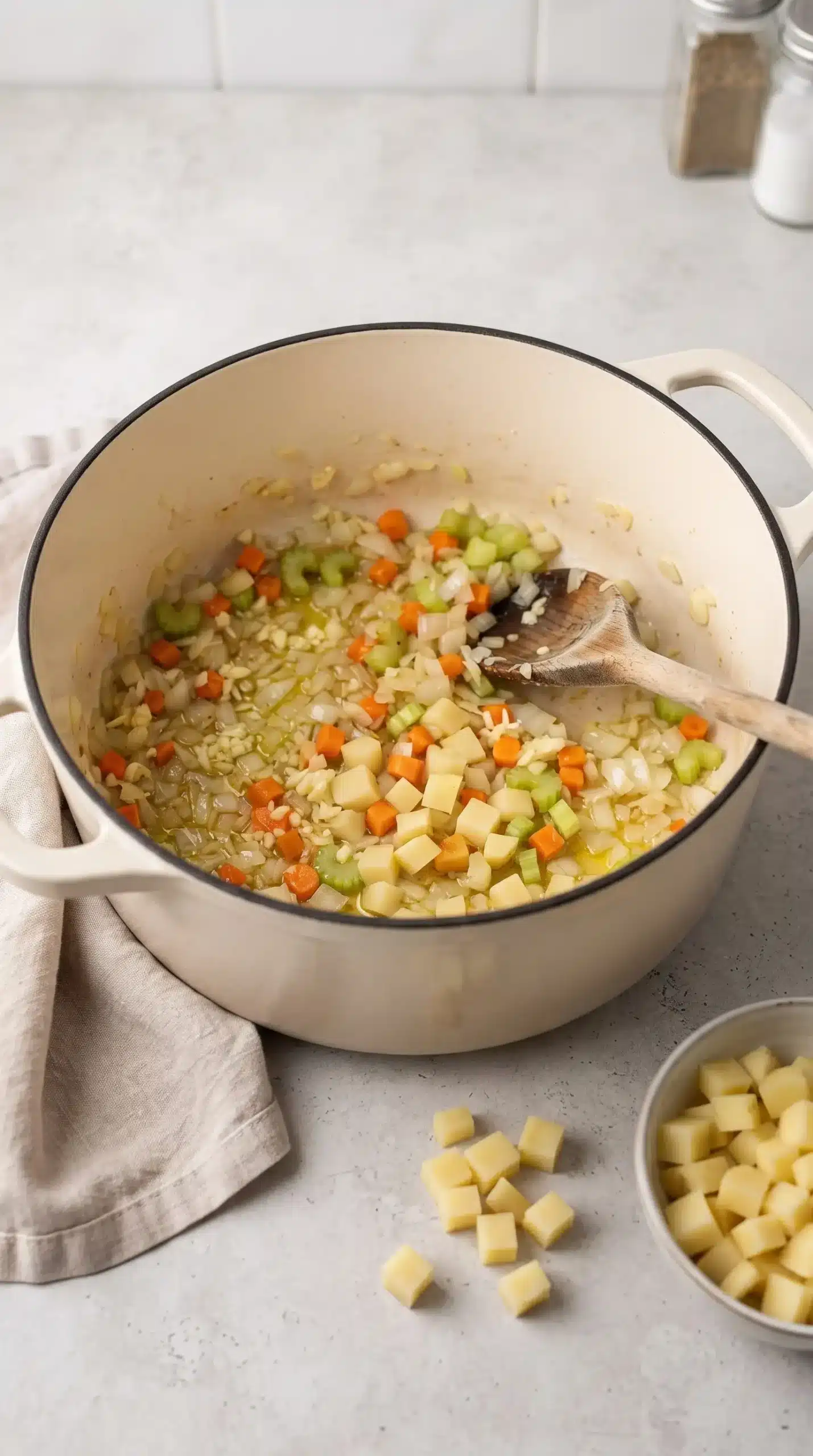
Onion, garlic, carrots, and celery create the foundation before the broth and remaining vegetables enter the pot. Giving these vegetables time to soften helps establish the savory base without making the process complicated. The onion becomes translucent first, while the carrots and celery begin to soften alongside the garlic.
Potato brings a different texture to the vegetable mixture. It cooks in the broth until tender, making it an important visual and textural part of the finished soup. Cutting it into cubes keeps the pieces manageable in each spoonful and gives the broth a hearty element without requiring a separate thickener.
Corn and undrained diced tomatoes keep the soup varied in both color and texture. The tomato juice becomes part of the cooking liquid, while corn adds another vegetable component alongside the carrots, celery, and potato. For a thicker corn-and-potato variation, creamy corn chowder with sweet corn and potatoes shows how those ingredients can form the foundation of a richer soup.
Small Ingredient Choices Matter in Amish Snow Day Soup
Olive oil is used at the beginning to sauté the onion and start the vegetable base. Garlic follows the onion, carrots, and celery, so its flavor becomes part of the foundation as those vegetables soften. This early stage is where the soup develops its savory character before the liquid is added.
Either vegetable broth or chicken broth can be used, depending on the direction you want to take the bowl. Vegetable broth keeps the soup suitable for a vegetarian preparation when meat is omitted, while chicken broth provides another option within the supplied ingredients. Salt and pepper remain adjustable at the end.
Dried thyme and dried oregano provide the main herbal seasoning. Fresh parsley serves a different purpose: it is added as a garnish when the soup is served. Keeping those roles separate lets the dried herbs season the cooking liquid while the parsley provides a fresh-looking finish.
Choose the Soup Finish Before Adding the Pasta
The most noticeable choice is whether to keep the soup light or turn it into a creamy Amish soup. Heavy cream is optional, so the broth-based version remains a straightforward choice when you want the vegetables and seasoned liquid to stay prominent. Adding cream creates a richer, more comforting finish.
Cooked egg noodles are added near the end, which makes them especially convenient for controlling the texture of the finished bowl. Any pasta of your choice can be used in their place. Whole-grain or gluten-free pasta also provides alternatives when those options better suit the meal.
| Choice | Result in the bowl | Useful when |
|---|---|---|
| Vegetable broth | Light, vegetable-based soup | You want a vegetarian version without meat |
| Chicken broth | Broth-based soup with another savory option | You are not keeping the soup vegetarian |
| Heavy cream | Richer, creamier finish | You prefer a more indulgent soup |
| Cooked egg noodles | Hearty pasta-filled texture | You want a vegetable soup with egg noodles |
Layered Cooking Gives Amish Snow Day Soup Its Character
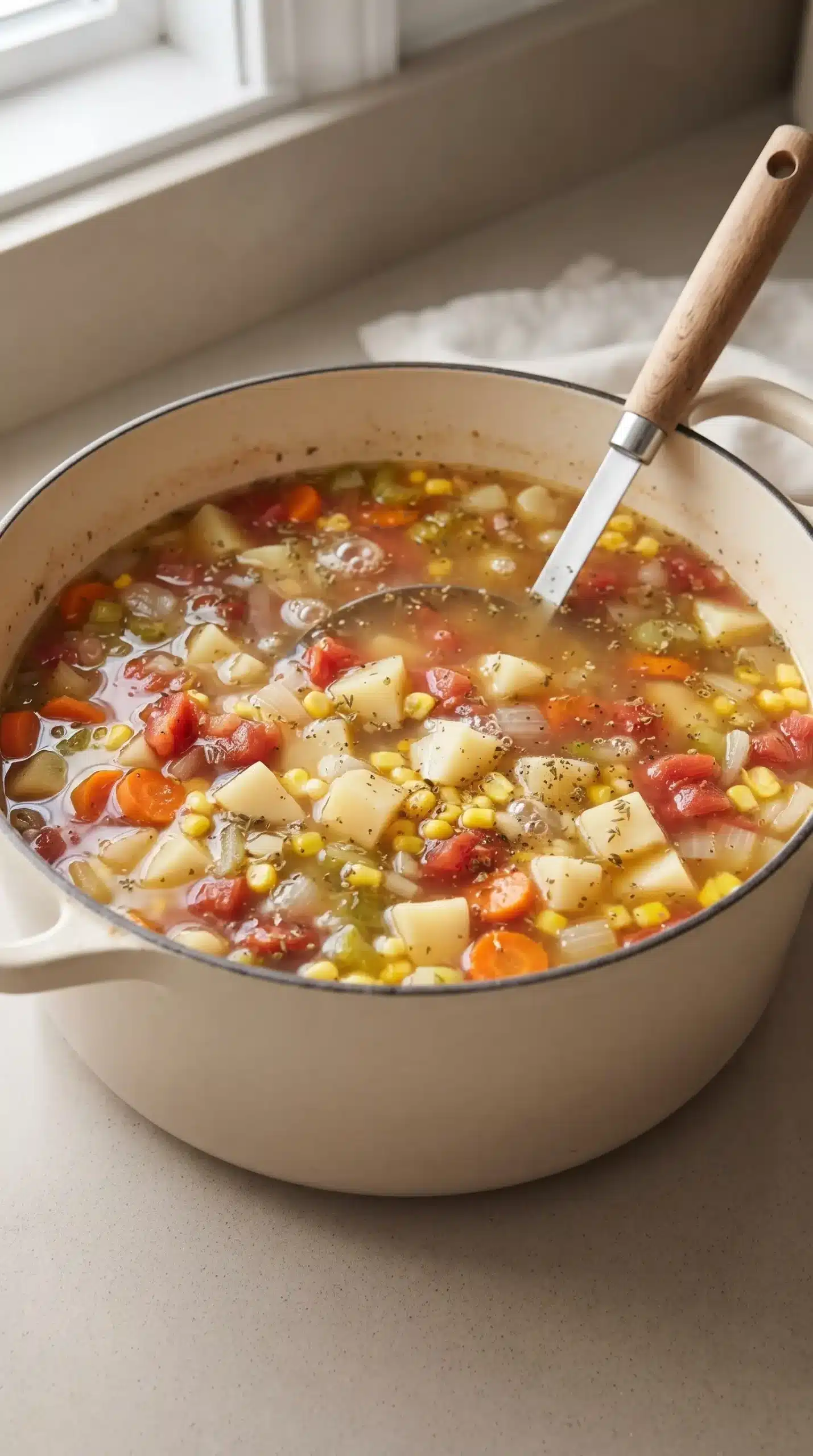
Starting with the onion instead of placing everything into the pot at once gives the early vegetables their own cooking stage. The onion is sautéed until translucent, then garlic, carrots, and celery join it. This sequence follows the supplied method and gives the vegetables time to begin softening before the liquid surrounds them.
Once the potato, corn, tomatoes, broth, thyme, oregano, salt, and pepper are added, the heat needs to shift from boiling to simmering; understanding the difference between boiling and simmering helps you keep the soup at the gentler bubbling needed for this stage. The potatoes are the useful visual cue here: the soup is ready for its finishing ingredients when the potato cubes have become tender.
Adding cooked noodles and optional cream only after the vegetable portion has cooked keeps the finishing stage short. The soup then needs enough heat to warm everything through, followed by a taste check. Seasoning can be adjusted at that point instead of assuming the initial amount of salt and pepper will suit every broth choice.
Potato Tenderness Controls the Timing
Potato tenderness is the clearest doneness signal in the main cooking stage. A simmer of about 20 minutes is given in the supplied method, but the practical test is whether the cubes have softened sufficiently. Once they are tender, the soup can move toward the noodle and cream stage.
Keeping the heat at a simmer after the initial boil helps the vegetables cook without turning the whole process into an aggressive boil. The carrots, celery, and potato should become tender while the tomatoes, corn, herbs, and broth remain integrated in the same pot.
Five additional minutes after adding the cooked egg noodles and heavy cream is enough in the stated method to heat the finishing ingredients through. Since the noodles are already cooked, they do not need to carry the burden of the main cooking time.
A Lighter Bowl Needs No Extra Thickener
Amish Snow Day Soup can remain light simply by leaving out the optional heavy cream. The broth, vegetables, tomatoes, and herbs still form a complete soup base, while the noodles add substance. For a thicker texture, blending a portion of the soup before adding the noodles is another supplied option.
Avoid These Amish Snow Day Soup Mistakes
Overcooking the noodles is an easy way to lose the texture that makes the pasta enjoyable. Because cooked egg noodles are added during the finishing stage, they should not be treated like the raw vegetables that need the longer simmer. Add them toward the end and heat them through.
Adding the cream when the vegetable base is still unfinished can also make the timing less controlled. Check the potato first, then move to the finishing stage. This keeps the main vegetables at the center of the cooking process and prevents the optional creamy element from becoming the focus too early.
Skipping the final taste check can leave the soup less balanced than intended. Broth choices can differ, and the supplied method specifically calls for adjusting the seasoning after the soup has heated through. Keep salt and pepper flexible until that point.
- Watch the potato: Tender cubes signal that the main simmering stage is complete.
- Protect the noodles: Add cooked pasta late so it only needs to heat through.
- Check the seasoning: Taste before serving and adjust salt and pepper as needed.
Fresh Parsley Brightens Each Serving
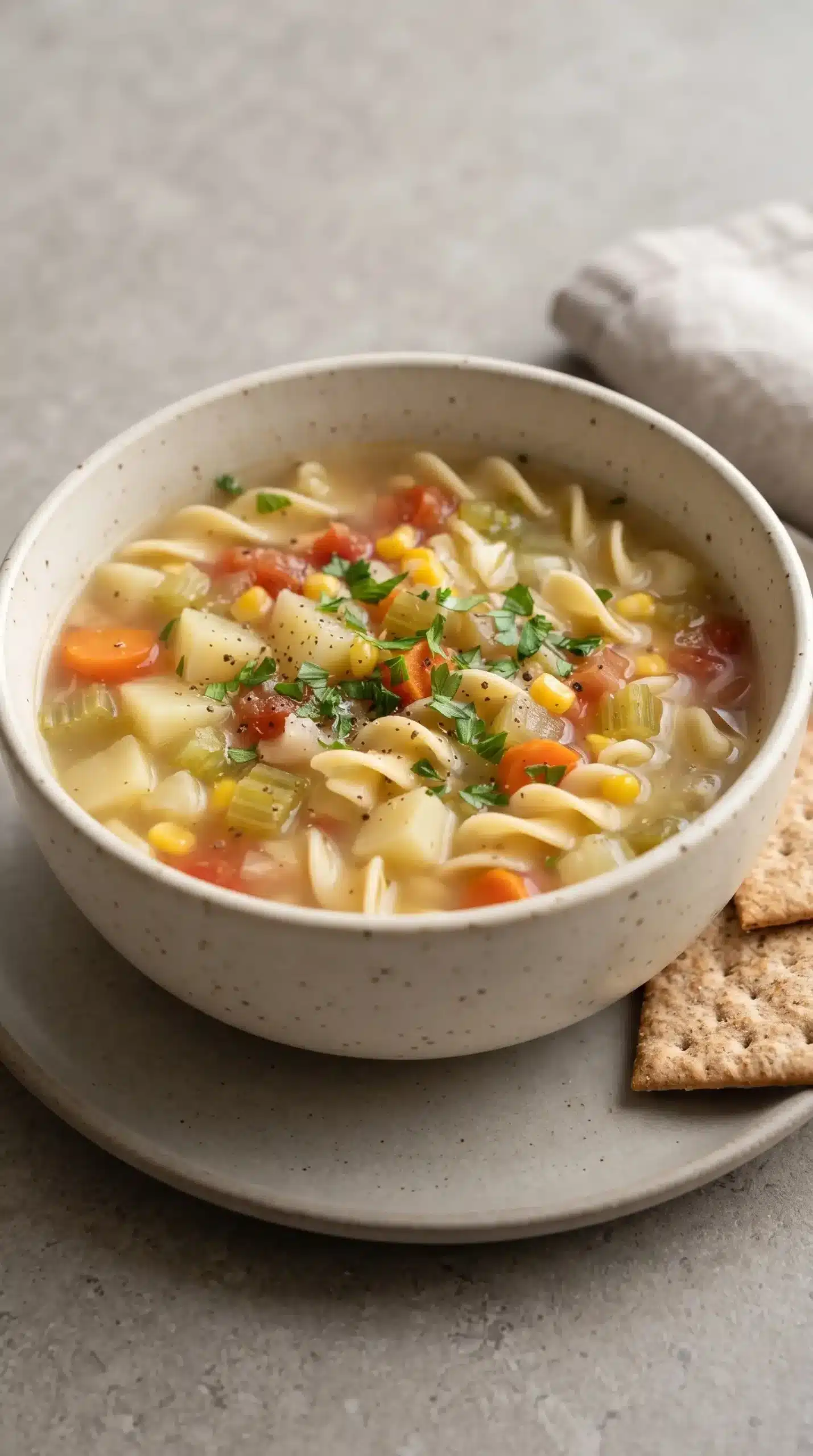
Serve Amish Snow Day Soup hot in bowls with chopped fresh parsley over the top. Bread or crackers provide a simple accompaniment, while a side salad offers another option. The soup can stand as a main dish or begin a larger meal as a starter.
Leftover Amish Snow Day Soup Keeps Its Flexibility
For refrigerated leftovers, let the soup cool to room temperature before transferring it to an airtight container. It can be kept in the refrigerator for 3 to 4 days, making the pot useful for more than one meal.
Freezing is also an option for longer storage. An airtight container can hold the soup in the freezer for up to 2 months. When you are ready to reheat it, a small splash of water or broth can help restore the consistency.
| Storage choice | Time stated | Helpful handling |
|---|---|---|
| Refrigerator | 3 to 4 days | Cool to room temperature and use an airtight container |
| Freezer | Up to 2 months | Use an airtight container |
| Reheating | As needed | Add a splash of water or broth if consistency needs restoring |
Flexible Add-Ins Keep the Same Soup Useful
Cooked diced chicken or sausage can be added when you want a heartier bowl. Leftover vegetables can also find a place in the soup, giving you room to use what is already available. These additions work with the existing vegetable-and-broth foundation without requiring a completely different approach.
Spinach, bell peppers, and zucchini are suggested vegetable variations. The pasta can also change: whole-grain or gluten-free pasta offers an alternative to egg noodles. These choices make the same basic Amish Snow Day Soup adaptable to different preferences while keeping its central character intact.
Vegetables Make the Soup Feel Substantial
Carrots, celery, potato, corn, onion, garlic, and tomatoes give the bowl a broad mix of vegetables. That variety supplies vitamins and minerals while also creating different textures throughout the soup. The broth keeps the base relatively light, particularly when the optional cream is left out.
Egg noodles contribute carbohydrates for energy and add protein to the meal. Heavy cream changes the nutritional character by bringing additional richness and fat, so it can be treated as an optional finishing choice instead of a required part of the soup.
For a vegetarian meal, vegetable broth and no meat additions keep the preparation aligned with that preference. The soup can therefore move between a lighter vegetable-based bowl and a richer version without losing its basic combination of vegetables, broth, herbs, and pasta.
Amish Snow Day Soup Works Best When Texture Leads
Tender vegetables, properly heated cooked noodles, and a deliberate choice about cream are the key judgments that shape Amish Snow Day Soup. Let the potato determine when the main simmer is ready to finish, keep the noodles toward the end, and adjust the seasoning after everything has warmed through. Those simple controls preserve the balance between a vegetable-filled broth and a comforting, hearty bowl.
Questions About Creaminess and Storage
Can Amish Snow Day Soup be made without heavy cream?
Yes. Heavy cream is optional, so leaving it out produces a lighter, broth-based soup. Milk or a dairy-free alternative can also be used when a lighter creamy finish is preferred.
How can I make the soup thicker?
Blend a portion of the soup before adding the noodles. This changes the texture while keeping some of the vegetables intact in the bowl.
What broth should I use for a vegetarian Amish soup recipe?
Choose vegetable broth and omit meat additions such as chicken or sausage. The remaining vegetables, tomatoes, herbs, and pasta still provide the foundation for the soup.
Can I use pasta other than egg noodles?
Yes. Any pasta of your choice can replace the cooked egg noodles, including whole-grain or gluten-free pasta when those options fit your needs.
Can I add meat to Amish Snow Day Soup?
Cooked diced chicken or sausage can be added for a heartier variation. Add the cooked meat as an optional ingredient while keeping the vegetable base intact.
How should frozen soup be reheated?
Reheat the stored soup and add a splash of water or broth if the consistency needs to be loosened. The extra liquid helps bring the soup back toward its original texture.
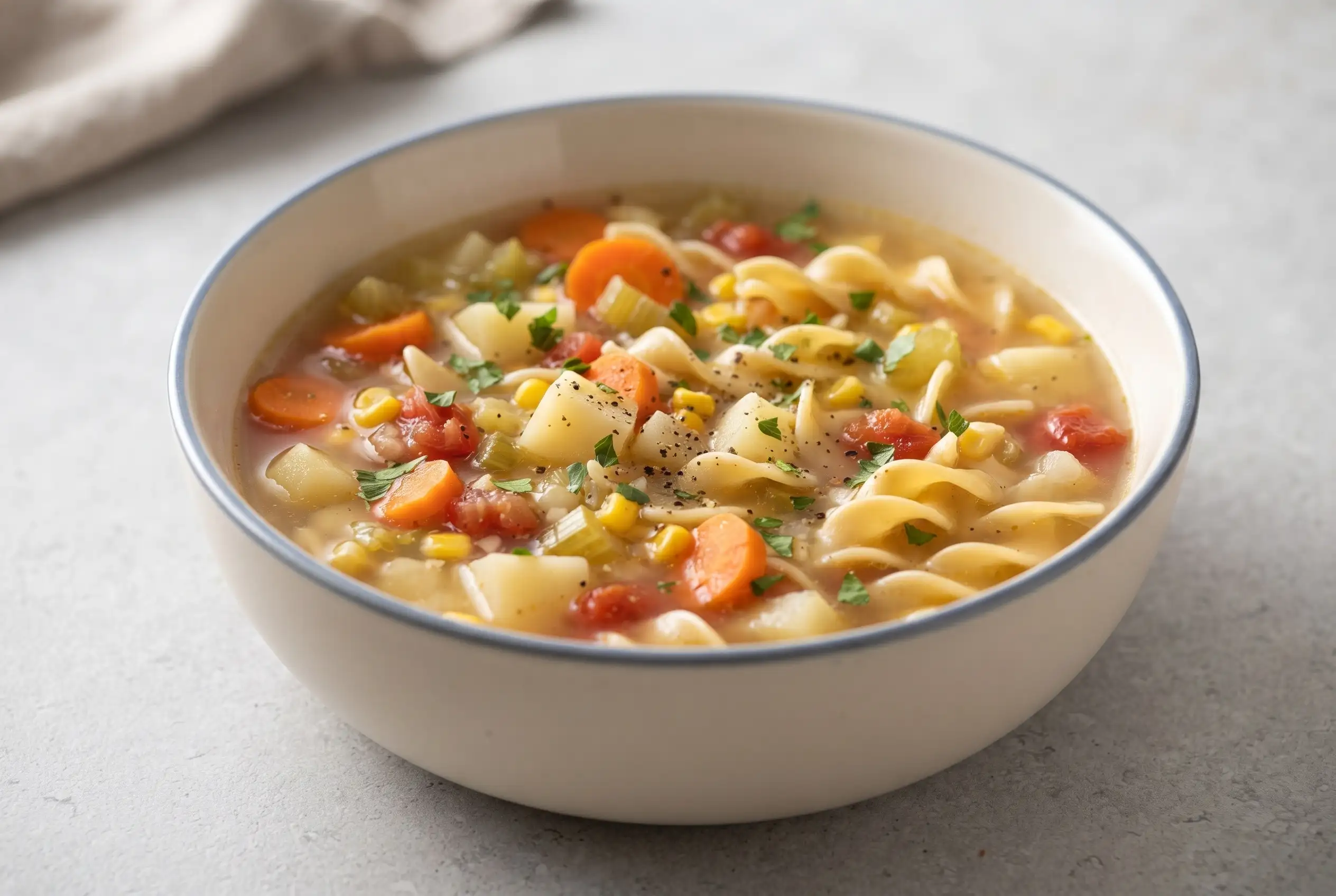
Amish Snow Day Soup with Vegetables, Corn and Pasta
Ingredients
Method
- Warm the olive oil in a large pot over medium heat.
- Add the diced onion and cook for about 5 minutes, until translucent.
- Stir in the garlic, carrots, and celery. Cook for another 5 minutes, until the vegetables start to soften.
- Add the potato, corn, undrained tomatoes, broth, thyme, oregano, salt, and black pepper.
- Bring the soup to a boil, then lower the heat and simmer for 20 minutes, or until the potatoes are tender.
- Stir in the cooked egg noodles or other cooked pasta and the optional heavy cream. Continue heating for 5 minutes.
- Taste and adjust the salt and black pepper as needed.
- Serve the soup hot and finish with chopped fresh parsley.