Keto Garlic Parmesan Chicken with a Golden Coating
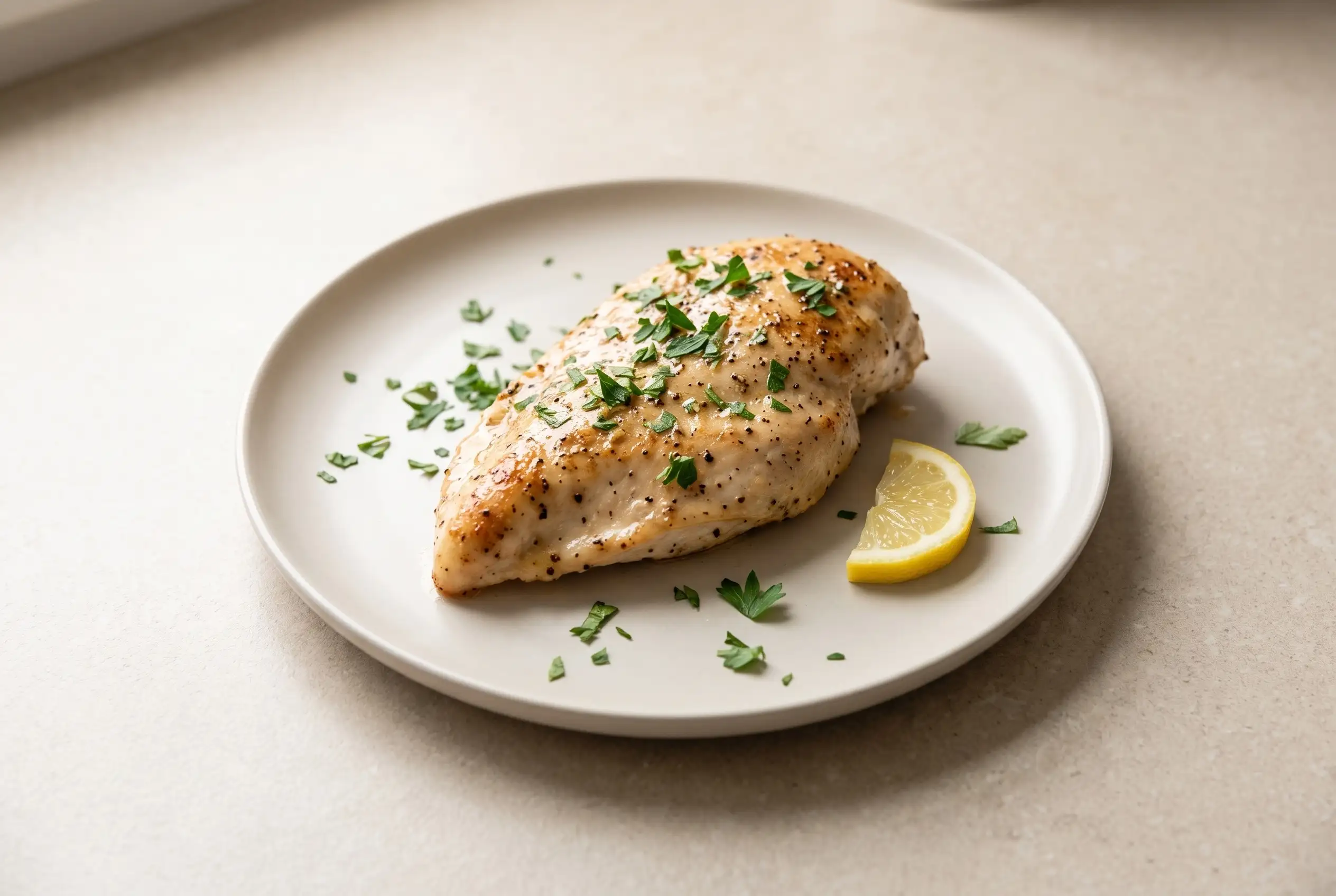
Keto garlic parmesan chicken turns simple chicken breasts into a crisp, savory dinner with a golden Parmesan coating and plenty of garlic flavor. Freshly grated Parmesan, minced garlic, garlic powder, and paprika create the crust, while a light coating of olive oil helps the mixture cling to the chicken before baking.
For anyone wanting a dependable low-carb dinner, the appeal is straightforward: there are no flour or breadcrumbs in the coating, the preparation is uncomplicated, and the finished chicken works with vegetables or a salad. The combination also gives a familiar baked chicken dinner enough texture and flavor to feel substantial.
The Parmesan Crust Makes Keto Chicken More Interesting
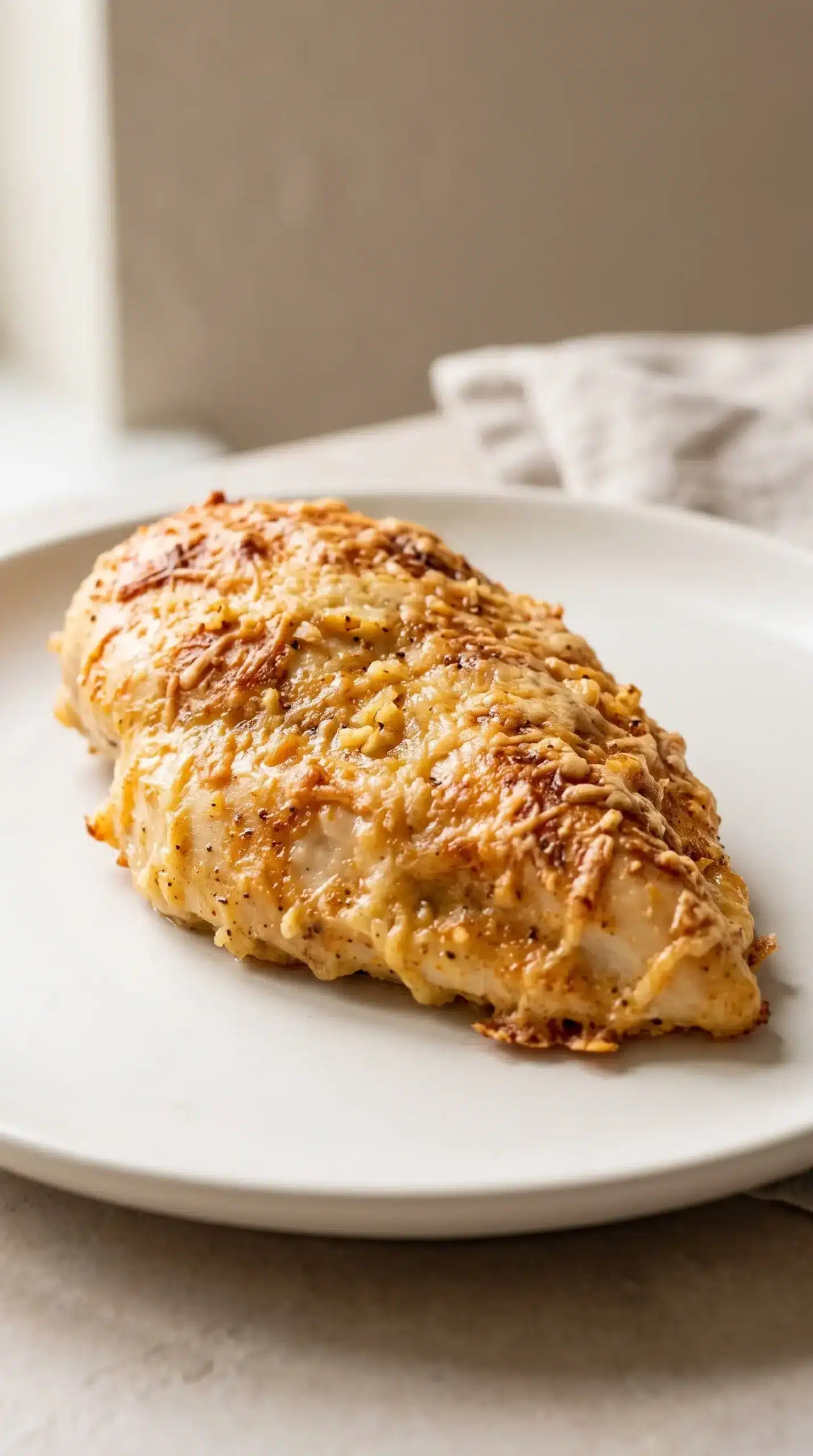
Parmesan is doing more than adding cheese flavor here. When pressed onto the lightly oiled chicken, freshly grated cheese forms the main coating and develops a golden, crisp exterior as it bakes. That makes the surface noticeably more interesting than plain baked chicken while keeping the preparation free of breadcrumbs.
Garlic appears in two forms, with minced cloves providing a more direct savory presence and garlic powder spreading seasoning throughout the coating. Paprika rounds out the mixture and contributes its characteristic flavor and color without requiring a separate sauce.
That balance is especially useful for a keto chicken breast recipe because the chicken itself remains the center of the meal. The coating supplies texture and richness without turning the dish into a complicated casserole or requiring a long ingredient list.
Fresh Parmesan Gives the Coating Its Best Texture
Freshly grated Parmesan is the strongest choice for the crust because it melts and crisps better than pre-shredded cheese, which may contain anti-caking ingredients. Grating it yourself also gives the coating a texture that can press closely against the chicken instead of relying on a separate breading mixture.
- Freshly grated Parmesan: Use it for the coating when a crisp, golden surface is the priority.
- Minced garlic: Distribute it through the cheese mixture so its flavor is present across the crust.
- Garlic powder: Keep the seasoning consistent throughout the Parmesan mixture.
- Paprika: Add the specified seasoning to round out the savory coating.
Olive oil has a practical role as well. Brushing the chicken lightly before coating gives the Parmesan mixture something to adhere to, helping the crust stay in place during baking.
Chicken Breast Thickness Controls Even Cooking
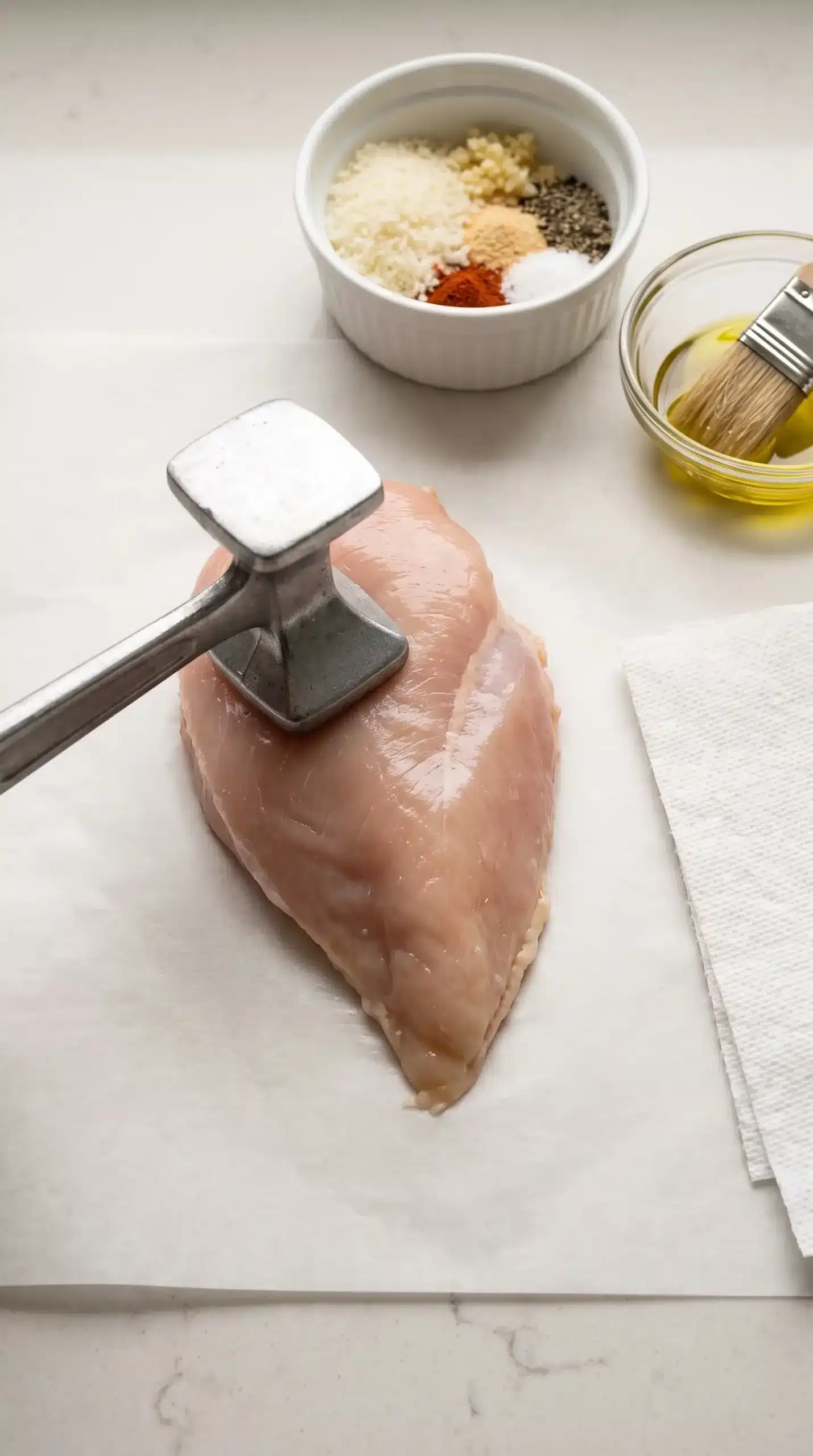
Chicken breasts do not always have an even thickness from one end to the other. When a breast is particularly thick, pounding it slightly can create a more consistent shape, which helps the meat cook more evenly while the Parmesan coating browns.
Drying the surface with paper towels before adding the oil is another useful preparation detail. A dry exterior makes it easier to brush on a light layer of oil and then press the Parmesan mixture firmly against the chicken.
How the Coating Should Sit on the Chicken
Firm contact matters once the Parmesan mixture meets the chicken. After brushing each breast lightly with olive oil, press it into the seasoned cheese mixture so the coating adheres instead of sitting loosely on the surface.
Spacing also matters on the baking sheet. Arrange the coated breasts with room between them so each piece has its own space on the lined sheet. Crowding can make handling the coated pieces more difficult and can interfere with the clean presentation of the crust.
Once coated, avoid unnecessary handling. The Parmesan mixture needs to remain attached while the chicken moves from preparation to the oven, so pressing the coating into place is more useful than repeatedly turning or repositioning the breasts.
Oven Heat Builds the Golden Parmesan Finish
A 400°F (200°C) oven provides the cooking environment specified for keto garlic parmesan chicken. The chicken bakes until it is fully cooked and the Parmesan coating has become golden, with the stated baking window falling around 25 to 30 minutes.
Visual color is useful, but don’t treat browning alone as the only indication that the chicken is ready. The supplied method specifically calls for the chicken to be fully cooked as well as golden, so both conditions matter when judging doneness.
| Cooking point | What to look for | Useful action |
|---|---|---|
| Before baking | Coating is pressed firmly onto the chicken | Keep the Parmesan mixture attached before transferring the breasts |
| During baking | Chicken is cooking and the coating is developing color | Let the breasts bake without unnecessary handling |
| Near the finish | Chicken is fully cooked and coating is golden | Use the stated doneness cues before removing the pan |
| Optional browning | More surface color is desired | Broil for the last 2 minutes while watching closely |
Broiling Adds Color Without Changing the Basic Method
For a more pronounced golden surface, the chicken can be broiled for the last 2 minutes. Close attention is important during this short finishing stage because the Parmesan coating can burn if it is left unattended.
Keto Garlic Parmesan Chicken Mistakes to Avoid
Loose coating is one of the easiest problems to prevent. If the Parmesan mixture is merely scattered over the chicken, more of it can separate during handling. Brushing the breasts lightly with olive oil and pressing them firmly into the mixture gives the crust a better chance of staying attached.
Uneven thickness can create another issue. A very thick breast may not cook at the same rate as a thinner portion, even though the outside coating is already developing color. Slightly pounding thick breasts helps make their shape more even before coating.
Over-broiling is an avoidable finishing mistake. The optional broiling stage is only for extra color and lasts for the final 2 minutes, so the chicken should be watched closely instead of being left under the broiler unattended.
A Simple Side Keeps the Meal Low-Carb
Steamed broccoli, roasted zucchini, or sautéed green beans all fit naturally beside the Parmesan-coated chicken. These vegetables keep the plate focused on the chicken while providing a simple accompaniment that does not require another elaborate preparation.
- Broccoli: Choose it when you want a straightforward steamed vegetable alongside the chicken.
- Zucchini: Roasted zucchini offers another simple low-carb pairing.
- Green beans: Sautéed green beans provide a separate vegetable option without complicating the main dish.
- Fresh salad: Slice the chicken over salad when a lighter presentation suits the meal.
A squeeze of lemon over the vegetables can add contrast to the richness of the Parmesan coating. It keeps the accompaniment simple while bringing a bright element to the plate.
Sliced Chicken Works Well Over Salad
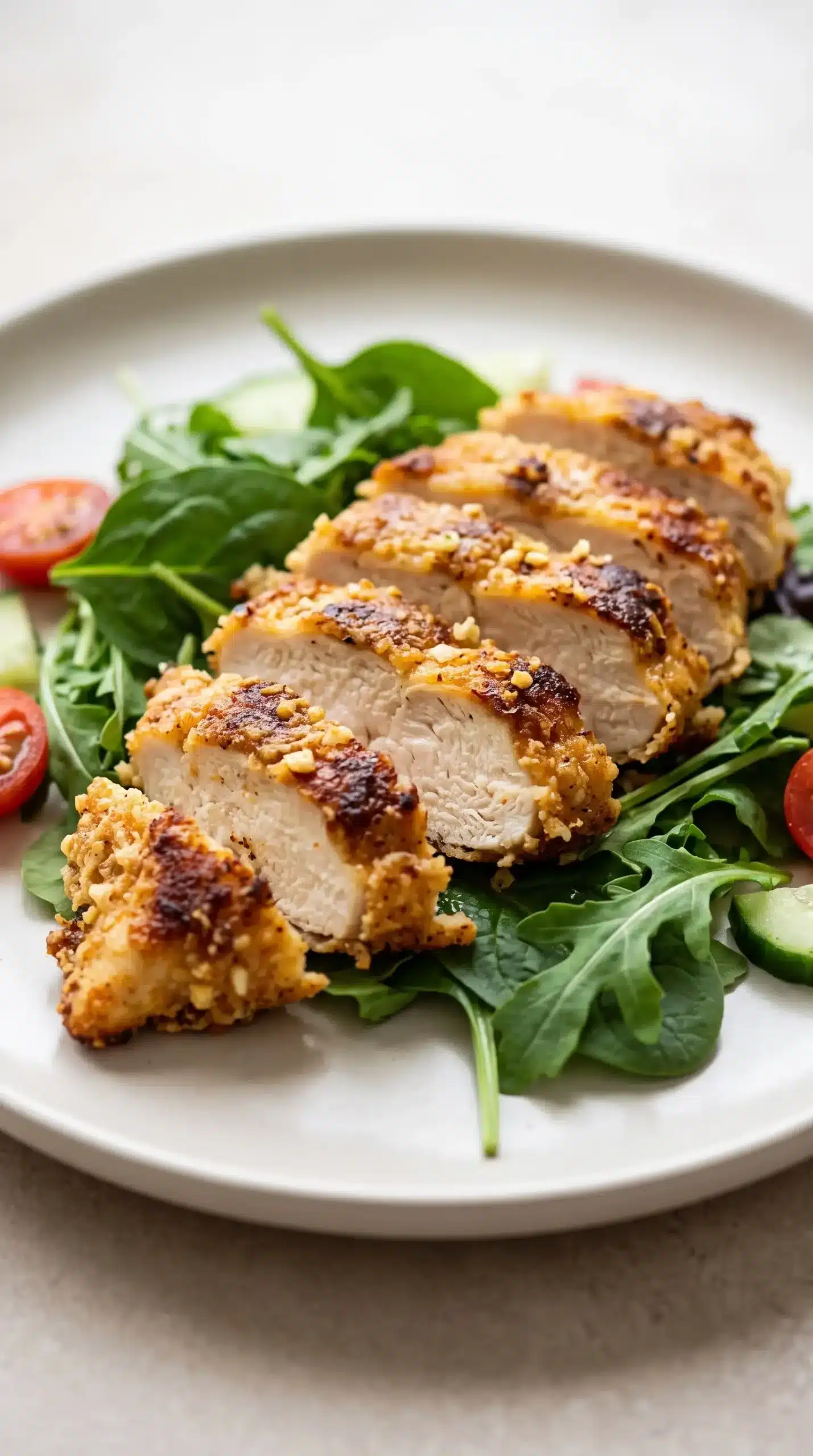
Serving the breasts whole makes the Parmesan crust the visual centerpiece, while slicing them creates another practical presentation. Thin pieces can be arranged over a fresh salad for a lighter meal, alongside a chicken-and-pesto pasta salad when a heartier salad-based plate is preferred.
Salad is especially useful when you want the garlic parmesan chicken to function as the main protein while keeping the rest of the plate uncomplicated. The crisp coating remains part of each slice, so the dish still has its characteristic texture.
Leftover Chicken Keeps for Short-Term Meals
Cool leftover chicken completely before placing it in an airtight container. Refrigerated leftovers can be kept for up to three days, giving the cooked breasts a useful short-term life beyond the original meal.
For longer storage, cooked chicken can be frozen in an airtight container for up to three months. Reheating in the oven is preferred for texture, especially when preserving the character of the Parmesan coating matters.
Oven Reheating Helps Preserve the Crisp Coating
Reheat refrigerated or frozen cooked chicken in a 350°F oven until heated through. The oven is the better choice when you want to maintain more of the coating’s crisp texture.
Microwaving remains an option when convenience matters most, but the coating will not have the same texture as oven-reheated chicken. For leftovers where the Parmesan crust is part of the appeal, the oven is worth the extra attention.
Air Fryer Garlic Parmesan Chicken Takes a Shorter Route
The same preparation can also be made in an air fryer at 375°F for about 15 to 20 minutes, flipping the chicken halfway through. This provides an alternative cooking route when an air fryer is more convenient than the oven.
Because the air-fryer version has its own temperature and cooking window, follow that method as written instead of transferring the oven temperature directly to the air fryer. The halfway flip is part of the air-fryer approach and helps both sides receive cooking time.
Cheese Variations Change the Coating Character
Parmesan is the defining cheese in keto garlic parmesan chicken, but a small amount of mozzarella or cheddar can be mixed with it for a different flavor. Keeping Parmesan in the mixture maintains the connection to the original coating while allowing the cheese profile to shift.
Italian seasoning can also be added to the Parmesan mixture for extra flavor. A pinch of crushed red pepper offers another variation for cooks who want more heat without changing the basic chicken preparation.
Breasts Can Be Swapped for Chicken Thighs
Chicken thighs can replace the breasts when a juicier result is preferred. The cooking time needs to be adjusted for the different cut, so use the condition of the chicken as the practical guide rather than applying the breast timing automatically.
The same Parmesan-based coating remains useful with the substitution. Olive oil still helps the mixture adhere, while garlic, garlic powder, paprika, salt, and black pepper keep the seasoning profile recognizable.
Keto Garlic Parmesan Chicken Depends on Coating and Doneness
The strongest result comes from treating two details as equally important: keeping the Parmesan coating firmly attached and making sure the chicken is fully cooked. Freshly grated cheese helps create the desired crust, while slight preparation of thick breasts can support more even cooking.
Keto garlic parmesan chicken does not need flour, breadcrumbs, or complicated preparation to deliver a satisfying baked chicken dinner. Once the crust is securely pressed onto the chicken, the oven can handle the transformation from seasoned raw breasts to a golden, savory centerpiece.
Keto Garlic Parmesan Chicken Storage and Reheating Questions
How long can cooked chicken stay refrigerated?
Cooked chicken can be stored in an airtight container in the refrigerator for up to three days. Let the leftovers cool completely before storing them.
Can the chicken be frozen for later?
Yes, cooked chicken can be frozen in an airtight container for up to three months. Oven reheating is the preferred approach when you want the coating to retain better texture.
What cheese works best for the coating?
Freshly grated Parmesan is the preferred choice because it melts and crisps better than pre-shredded cheese. A small amount of mozzarella or cheddar can be incorporated when a different cheese flavor is desired.
Can chicken thighs replace the breasts?
Chicken thighs can be substituted for the breasts when a juicier result is wanted. Since thighs differ from breasts, their cooking time should be adjusted accordingly.
How can the chicken get more golden on top?
Broil the chicken for the last 2 minutes for extra color, watching it closely so the Parmesan coating does not burn.
Can the dish be made in an air fryer?
Yes. Cook the coated chicken at 375°F for about 15 to 20 minutes, flipping halfway through, using the air-fryer method instead of the oven temperature and timing.
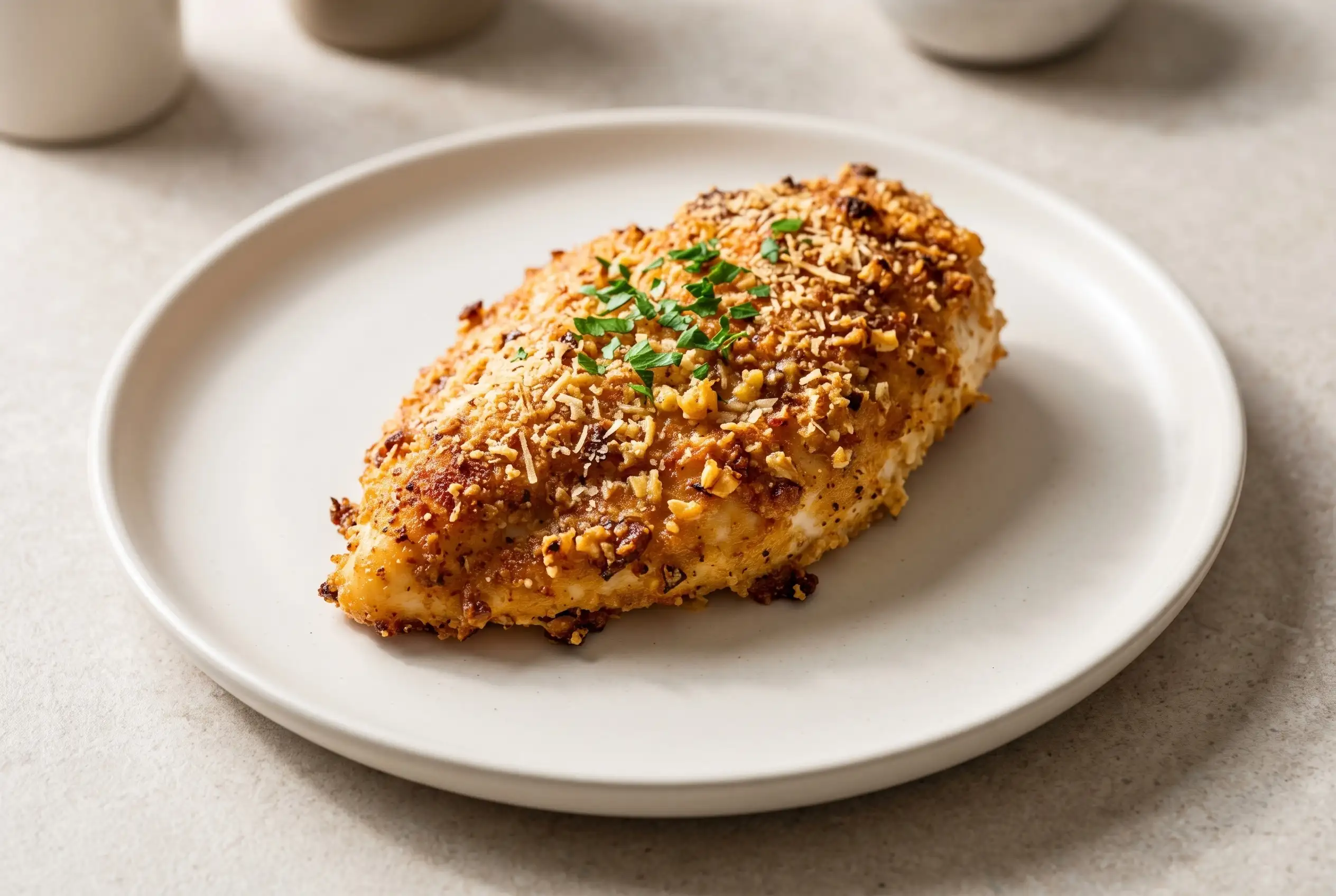
Keto Garlic Parmesan Chicken with a Golden Coating
Ingredients
Method
- Heat the oven to 400°F / 200°C and cover a baking sheet with parchment paper.
- Dry the chicken breasts thoroughly with paper towels. If a breast is particularly thick, gently pound it to an even thickness.
- Stir the freshly grated Parmesan, minced garlic, garlic powder, paprika, salt, and black pepper together in a shallow bowl.
- Lightly coat each chicken breast with olive oil, then firmly press it into the Parmesan mixture to cover the surface.
- Place the coated chicken breasts on the prepared baking sheet, leaving space between the pieces.
- Bake at 400°F / 200°C for 25 to 30 minutes, leaving the chicken undisturbed, until fully cooked and the Parmesan coating is golden.
- Verify that the thickest part of every chicken breast reaches 165°F / 74°C before taking the chicken out of the oven.
- For deeper browning, broil for the final 2 minutes, keeping a close watch to prevent the Parmesan coating from burning.