Creamy Herb Chicken with Mashed Potatoes and Carrots
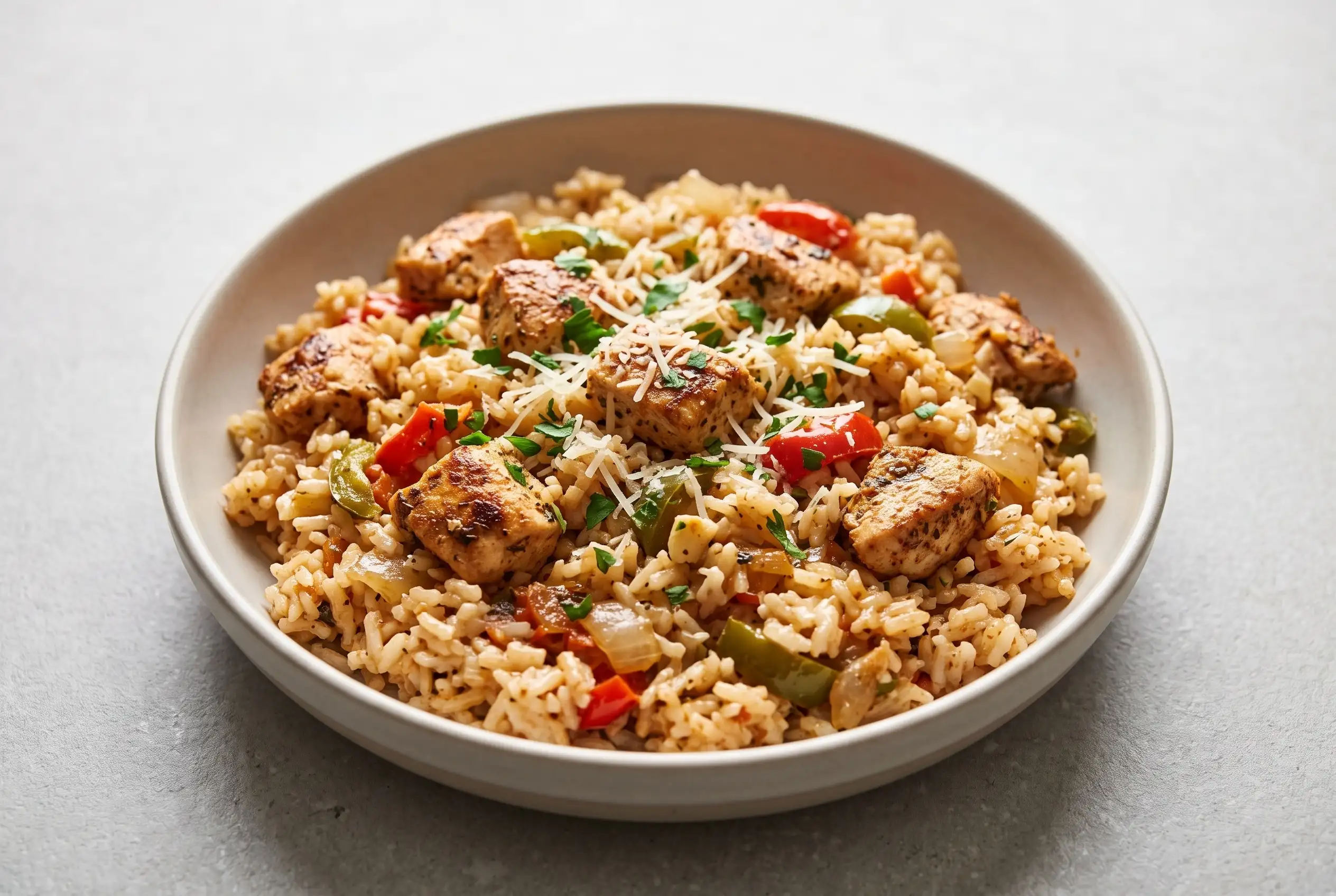
Creamy herb chicken brings tender, seasoned chicken together with a rich Parmesan cream sauce, smooth mashed potatoes, and sweet glazed carrots for a comforting meal with plenty of contrast. The savory chicken and herb sauce sit naturally beside buttery potatoes, while the carrots add a gentle sweetness that keeps each plate balanced.
Why Creamy Herb Chicken Works for a Complete Dinner
The appeal comes from the way the three parts support one another. Chicken carries the savory seasoning, mashed potatoes provide a smooth and mellow base, and glazed carrots introduce a softer sweetness. The creamy sauce ties those flavors together without requiring a separate gravy.
Another advantage is the flexibility built into the ingredients. Boneless, skinless chicken breasts or thighs can be used, while heavy cream may be replaced with half-and-half. The potato choice can also move between Yukon gold and russet potatoes, giving you room to work with what is available.
For a family meal, creamy herb chicken with mashed potatoes is especially useful because the components can be prepared in stages. Keeping the potatoes warm while the carrots finish and the chicken sauce comes together makes it easier to bring everything to the table in good condition.
Herbs, Cream, and Potatoes That Shape the Flavor
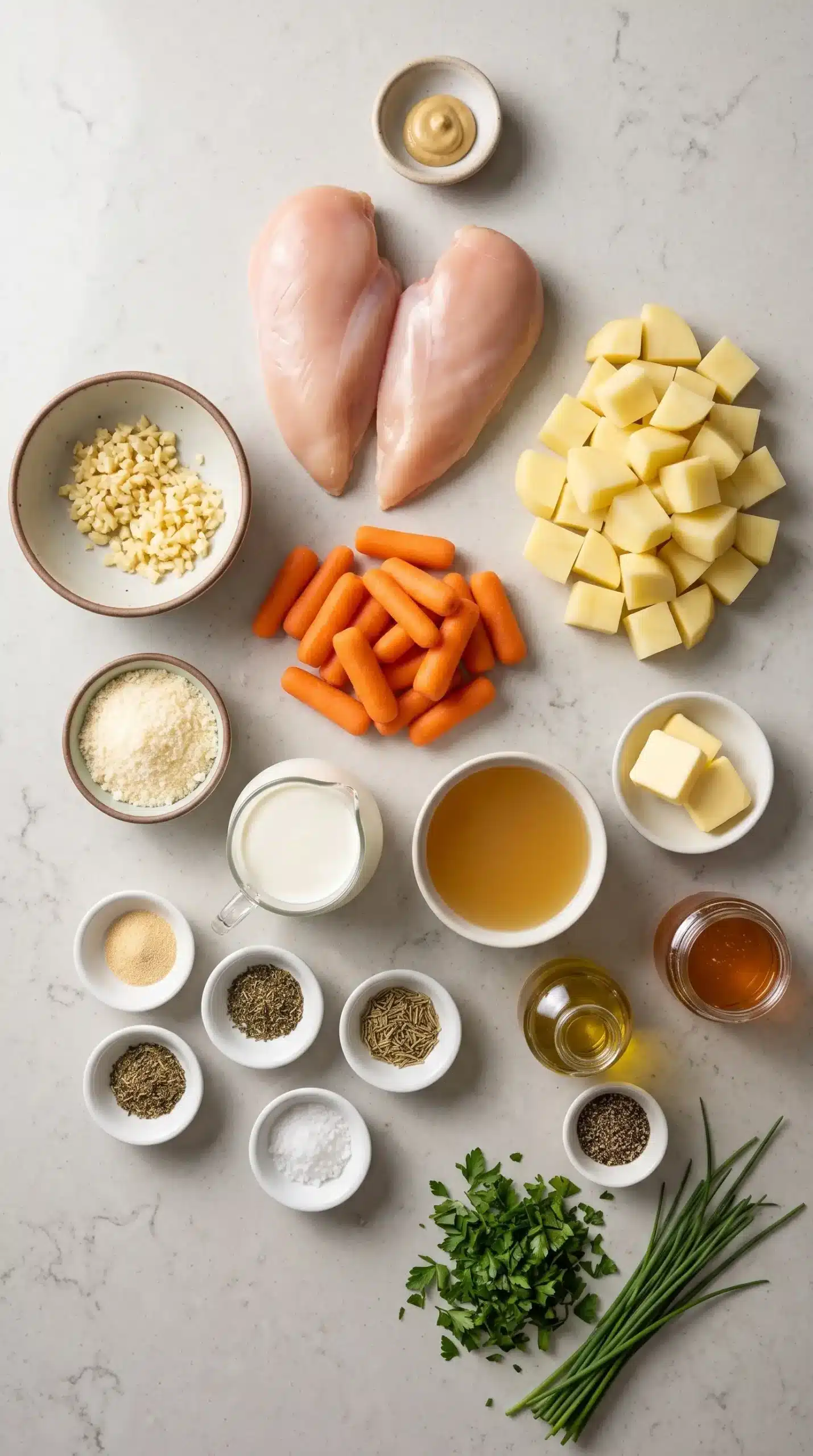
Garlic powder, dried thyme, and dried rosemary create the main seasoning profile for the chicken. Fresh parsley or chives are added at the end as a garnish, giving the finished plate a fresh-looking finish. Dijon mustard is optional, so it can be included when you want another savory accent in the cream sauce.
Parmesan cheese is particularly useful in the sauce because it becomes part of the creamy mixture alongside chicken broth and cream. Garlic and Parmesan pair naturally with the herb seasoning in garlic Parmesan chicken, while the potatoes benefit from butter and milk or cream for a smooth texture.
Carrots receive a different treatment. Butter and brown sugar or honey form the glaze, with a small amount of salt to keep the sweetness from standing alone. A pinch of cinnamon or thyme is optional, allowing the carrot side to lean either warmer or more herbaceous.
Choosing the Right Chicken Cut for the Skillet
Boneless, skinless chicken breasts or thighs both fit the dish, so the choice can be based on preference. Whichever cut you select, pat it dry before seasoning so the surface is ready for the skillet. Salt, pepper, garlic powder, thyme, and rosemary should cover both sides evenly.
Chicken thighs offer an easy alternative when you prefer that cut, while breasts keep the preparation aligned with the original ingredient choice. The important cooking decision is to sear the pieces until golden and cooked through before setting them aside for the sauce stage.
| Chicken choice | Preparation consideration | Best fit in the dish |
|---|---|---|
| Boneless, skinless breasts | Pat dry and season both sides before searing | Classic creamy herb chicken presentation |
| Boneless, skinless thighs | Use the same seasoning and skillet approach | A flexible alternative to breasts |
| Turkey | Use as a variation on the chicken component | A poultry-based substitution |
Mashed Potatoes Need Smooth, Warm Handling
Potatoes are peeled and cubed before boiling in salted water. Cooking them until fork-tender makes them ready to mash with butter, milk, and salt. Once smooth, keeping the potatoes warm helps them remain a useful base while the other components are finished.
Yukon gold or russet potatoes both work with the supplied preparation. The amount of milk or cream can be adjusted within the recipe’s stated range according to the texture you prefer, while the butter provides richness.
When serving chicken with mashed potatoes and carrots, the potatoes work best as a generous side portion rather than an afterthought. They are also the natural place for some of the herb cream sauce, allowing the sauce to spread through the meal.
Carrot Glazing Depends on Gentle Simmering
Baby carrots or sliced carrots can be used for the vegetable portion. The carrots cook in a saucepan with butter, brown sugar or honey, salt, and a splash of water. Covering the pan during the main simmer helps the carrots become tender.
Removing the lid during the last few minutes changes the consistency of the liquid around the carrots. That uncovered finish allows the glaze to thicken so the carrots are coated instead of sitting in a thin mixture.
- Keep covered: Let the carrots simmer until tender during the main cooking period.
- Finish uncovered: Remove the lid near the end so the glaze can thicken.
- Stir occasionally: Move the carrots through the pan so the butter and sweetener coat them evenly.
Skillet Control Keeps Creamy Herb Chicken Balanced
Medium-high heat is used to sear the seasoned chicken in olive oil and butter. The supplied cooking time is 4–5 minutes per side, but the observable result matters most: the chicken should be golden and cooked through before it leaves the pan.
Using the same skillet for the sauce preserves the browned bits left from searing. Garlic cooks briefly before chicken broth is added, and scraping the browned bits into the sauce incorporates those flavorful pieces into the liquid. That step gives the sauce a stronger connection to the chicken.
Once the cream, Parmesan, and optional Dijon mustard are stirred in, the mixture should simmer until slightly thickened. Keeping the simmer controlled for the stated 3–5 minute window helps the sauce develop its intended consistency without turning the process into a separate preparation.
Building the Herb Cream Sauce Without Losing Texture
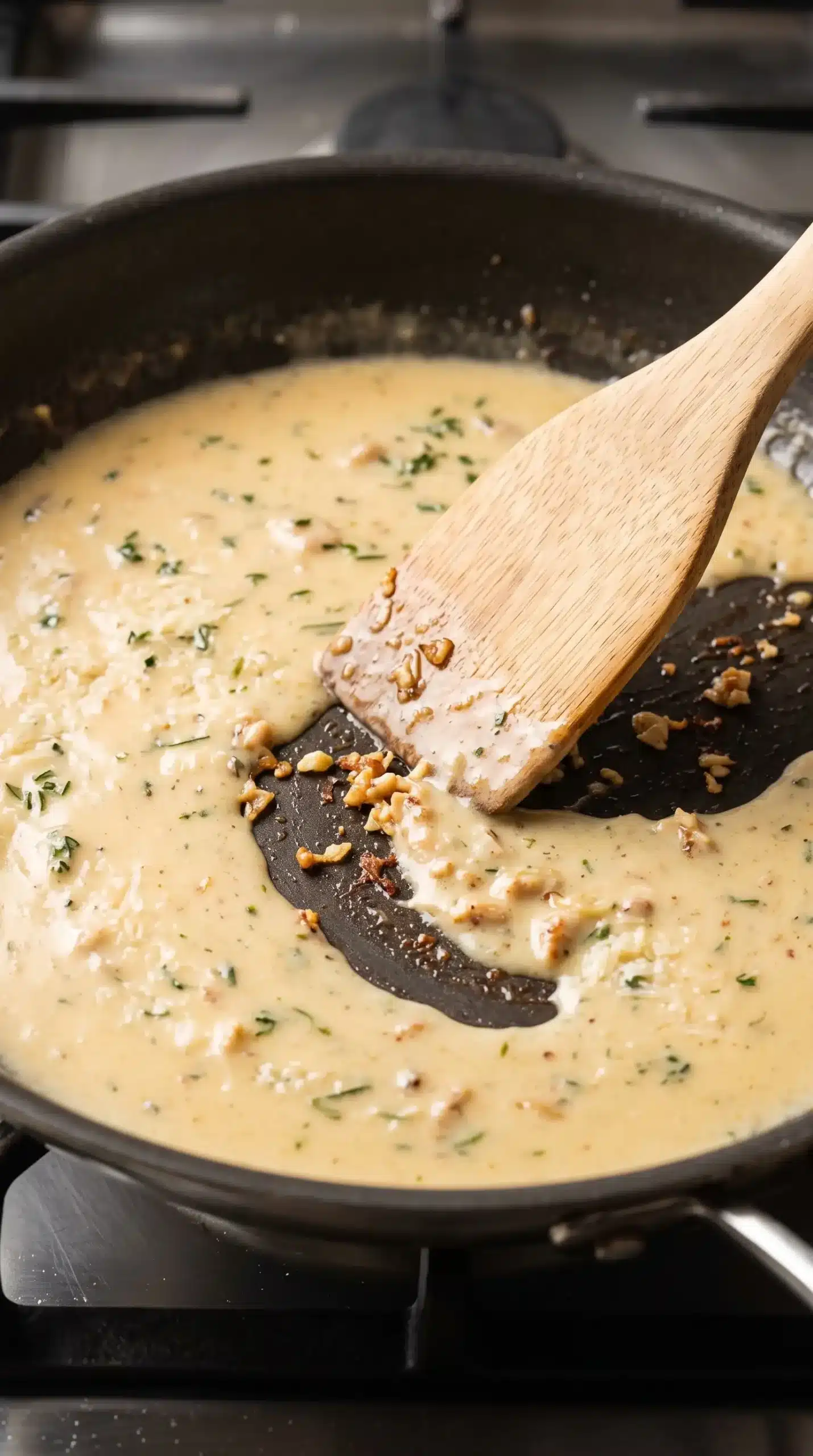
The sauce begins with minced garlic in the skillet, followed by chicken broth to deglaze the pan. Scraping the browned bits from the bottom at this stage matters because those cooked pieces become part of the finished sauce.
Cream and Parmesan then join the broth, with Dijon mustard included if desired. A short simmer brings the ingredients together and thickens the mixture slightly. The result should remain spoonable enough to flow over the chicken and potatoes.
After the chicken returns to the pan, spooning sauce over the pieces and simmering for another two minutes allows the flavors to combine. Creamy herb chicken benefits from this short finishing stage because the sauce surrounds the chicken immediately before plating.
Common Creamy Herb Chicken Mistakes to Avoid
Uneven seasoning can leave the chicken less flavorful than the sauce surrounding it. Season both sides with the specified salt, pepper, garlic powder, thyme, and rosemary so every bite of the chicken has the intended herb profile.
Overlooking the browned bits in the skillet wastes an important part of the sauce-building process. When the broth is added, scrape the pan before stirring in the cream and Parmesan. This also gives the sauce a more integrated skillet flavor.
Leaving the carrots covered for the entire cooking period can prevent the glaze from reaching the intended thicker finish. Removing the lid for the last 2–3 minutes gives the liquid a chance to reduce around the tender carrots.
Another problem can occur when the potatoes are left sitting after mashing. Keeping them warm makes assembly easier and preserves their role as the smooth, creamy foundation beside the chicken and glazed carrots.
Ways to Adjust the Creamy Herb Chicken Plate
Half-and-half can replace heavy cream when you want a lighter sauce. The supplied variation also allows lower-fat milk, while Greek yogurt is another suggested lighter option. These substitutions change the richness of the sauce while keeping the overall dish recognizable.
Herb preferences can shift the seasoning toward basil or oregano. Fresh parsley or chives remain useful as a finishing garnish, while the optional thyme or cinnamon in the carrots can alter the character of that side without changing its basic preparation.
Simple Additions That Fit the Existing Meal
A light salad or crusty bread can accompany the chicken, mashed potatoes, and glazed carrots without competing with the main flavors. Additional vegetables can also be incorporated, with broccoli or green beans specifically suited to the suggested variation.
Preparing the Components for Easier Serving
Preparing the mashed potatoes first gives them time to remain warm while the carrots and chicken are handled. The carrots can then be simmered and finished with their glaze, leaving the skillet available for the chicken and cream sauce.
Chicken and sauce may also be prepared ahead of serving, according to the supplied guidance. When everything is ready, plate the potatoes and carrots alongside the chicken, then spoon the sauce over the chicken and potatoes.
Keeping Leftovers Creamy and Enjoyable
Leftover portions belong in an airtight container in the refrigerator and can be kept for up to 3 days. Reheating can be done in the microwave or on the stovetop until heated through.
The cream sauce may become thicker after refrigeration. A splash of milk can loosen it during reheating, bringing the sauce back toward a consistency that works well over the chicken and mashed potatoes.
Serving Creamy Herb Chicken at Its Best
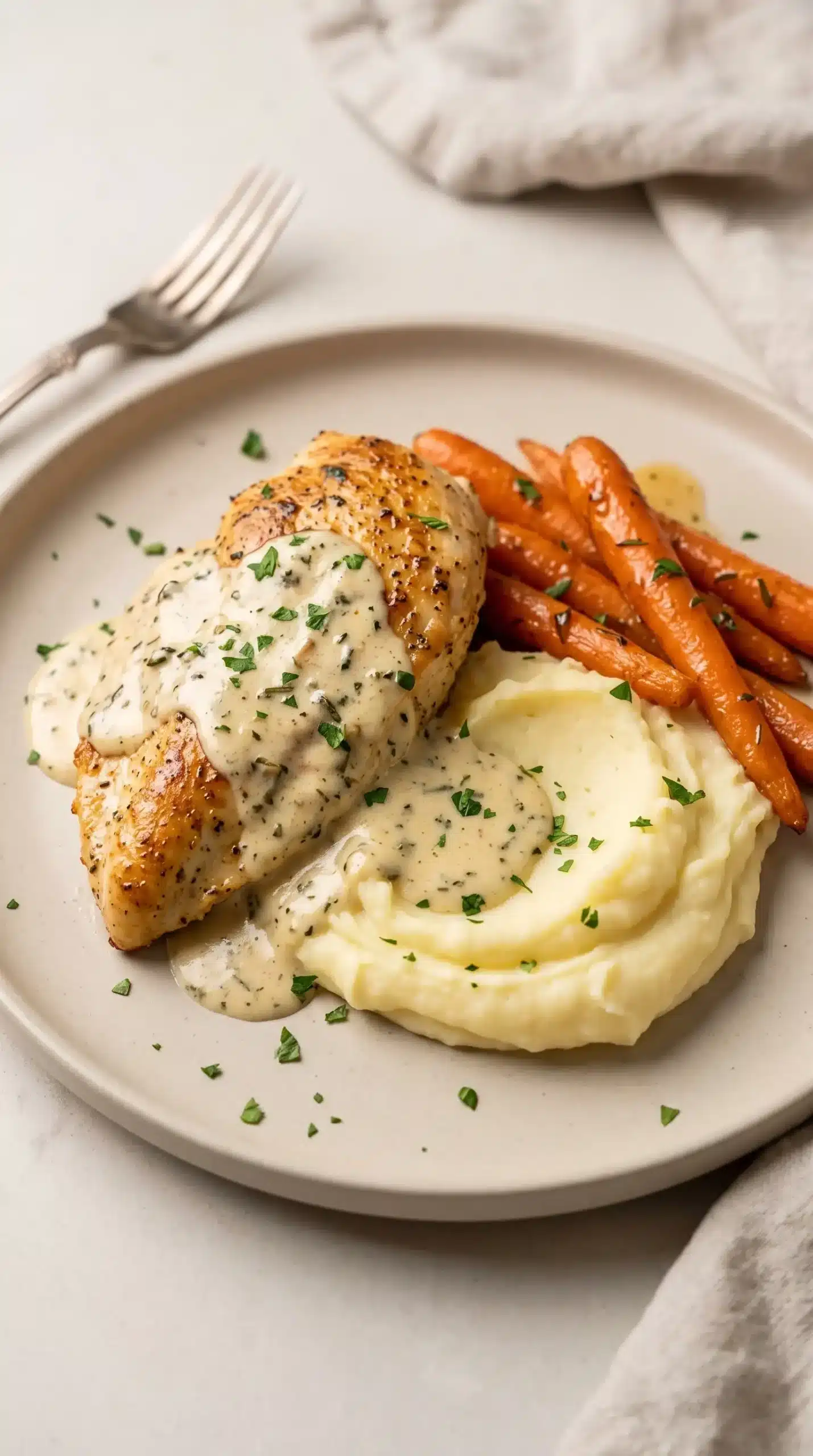
A generous scoop of mashed potatoes creates the base, with glazed carrots arranged alongside the chicken. Spoon the herb cream sauce over the chicken and potatoes so the richest element of the meal is distributed where it can be enjoyed with both.
Parsley or chives provide the finishing garnish, while a light salad or crusty bread can round out the plate. The result is a composed dinner where the savory chicken, creamy potatoes, sweet carrots, and herb sauce each retain a clear role.
Let the Sauce Connect the Chicken, Potatoes, and Carrots
Golden chicken, smooth potatoes, and tender glazed carrots each bring a different texture and flavor to the plate. The skillet sauce is what connects those elements, so its consistency deserves as much attention as the searing of the chicken.
Keeping the potatoes warm, allowing the carrot glaze to thicken uncovered, and simmering the Parmesan cream sauce until slightly thickened gives creamy herb chicken a cohesive finish. Those small points of control turn separate components into one balanced comfort-food meal.
Questions About Creamy Herb Chicken and Glazed Carrots
Can frozen chicken be used?
Frozen chicken should be fully thawed before cooking. Thawing first allows the chicken to cook more evenly during the skillet searing stage and makes it easier to season both sides before it reaches the pan.
What is a good substitute for heavy cream?
Half-and-half is the most direct substitution listed for the sauce. Low-fat milk can also be used for a lighter result, while Greek yogurt is another suggested lower-fat alternative.
Can the chicken and sauce be made ahead?
Yes. The chicken and sauce can be prepared in advance and reheated before serving. If the refrigerated sauce becomes too thick, add a splash of milk while reheating to loosen it.
What can replace the chicken?
Turkey can replace the chicken as a poultry variation. Tofu is also given as a plant-based alternative, allowing the overall meal concept to remain centered on the creamy sauce, potatoes, and glazed carrots.
How can the dish be made gluten-free?
The dish can suit a gluten-free diet when the chicken broth selected is gluten-free. Checking the broth label is the important substitution point because the other listed components do not require a gluten-containing ingredient.
Can the cream be left out?
Yes. The cream can be replaced with additional chicken broth or a dairy-free alternative for a lighter version. The sauce will have a different richness, but the skillet preparation can still be used.
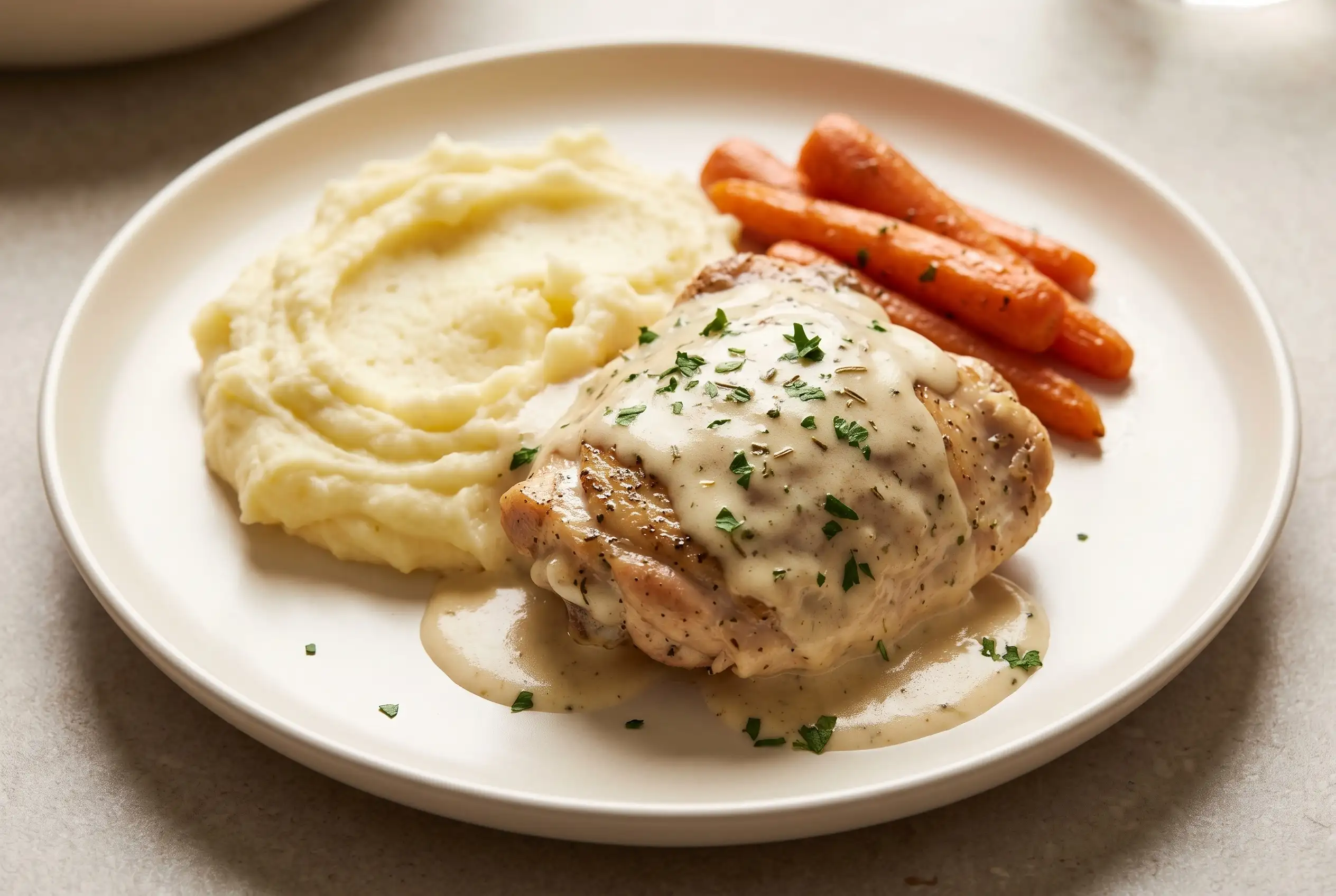
Creamy Herb Chicken with Mashed Potatoes and Glazed Carrots
Ingredients
Method
- Place the cubed potatoes in salted water and boil for 15–20 minutes, until they are easily pierced with a fork.
- Drain the potatoes, then mash with 2–3 tbsp butter, 1/2 cup milk or cream, and salt until smooth. Keep warm.
- Combine the carrots, 2 tbsp butter, brown sugar or honey, 1/4 tsp salt, and a splash of water in a saucepan over medium heat.
- Cover and simmer for 10–12 minutes, stirring occasionally, until the carrots are tender.
- During the final 2–3 minutes, uncover the saucepan and continue cooking until the glaze becomes thicker. Add a pinch of cinnamon or thyme if using.
- Pat the chicken dry and season both sides with salt, black pepper, garlic powder, dried thyme, and dried rosemary.
- Warm the olive oil and 1 tbsp butter in a skillet over medium-high heat. Cook the chicken for 4–5 minutes on each side, until golden and the center reaches 165°F / 74°C. Transfer the chicken to a plate.
- Add the minced garlic to the skillet and cook for 30 seconds. Add the chicken broth, scraping the browned bits from the bottom of the pan.
- Mix in the heavy cream or half-and-half, Parmesan cheese, and Dijon mustard if using. Simmer for 3–5 minutes, until the sauce has thickened slightly.
- Place the chicken back in the skillet and coat it with the herb cream sauce. Simmer for 2 minutes.
- Serve the chicken with the mashed potatoes and glazed carrots. Spoon the remaining herb cream sauce over the chicken and potatoes, then finish with chopped parsley or chives.