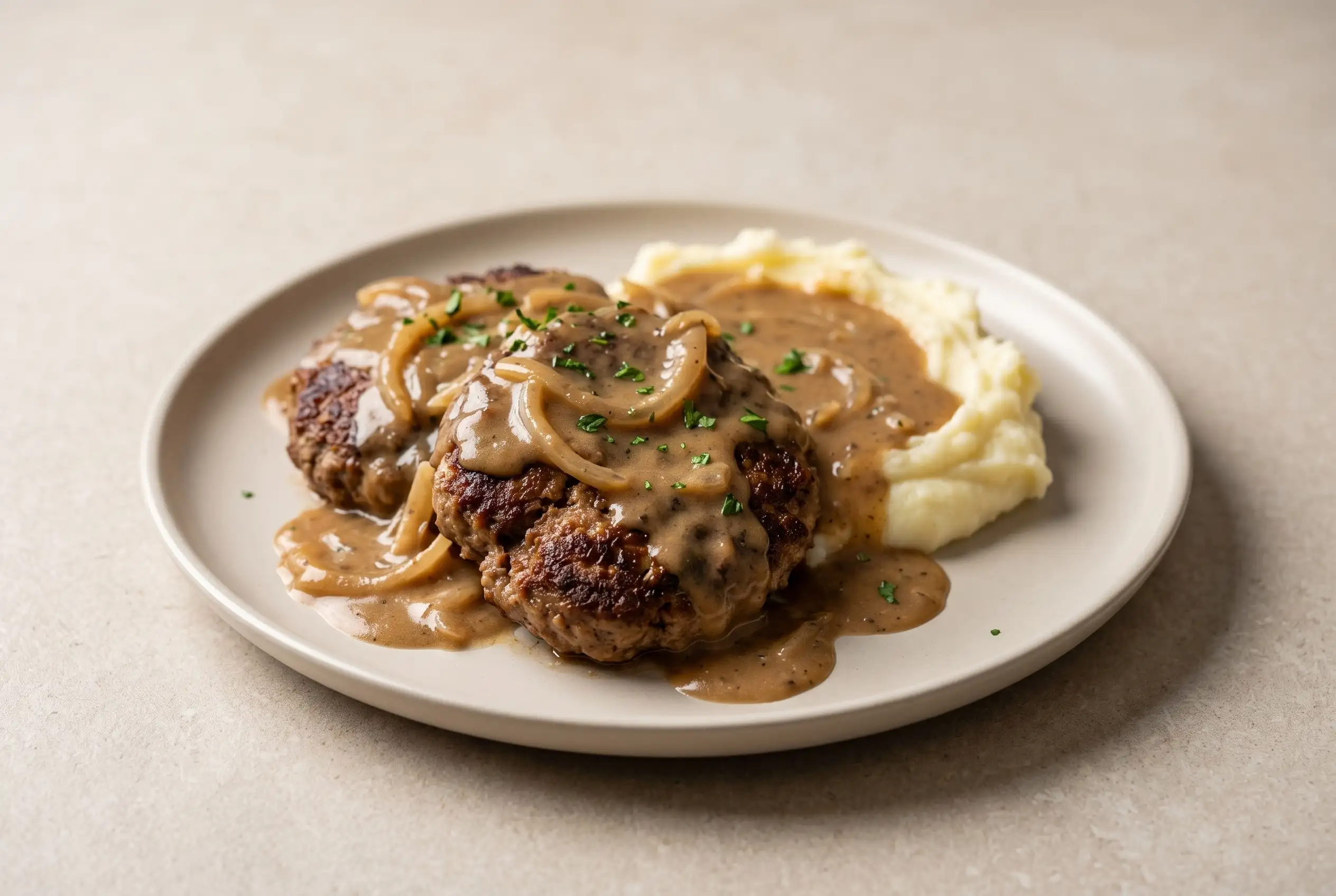
Korean Ground Beef Bowl with Sweet and Savory Sauce
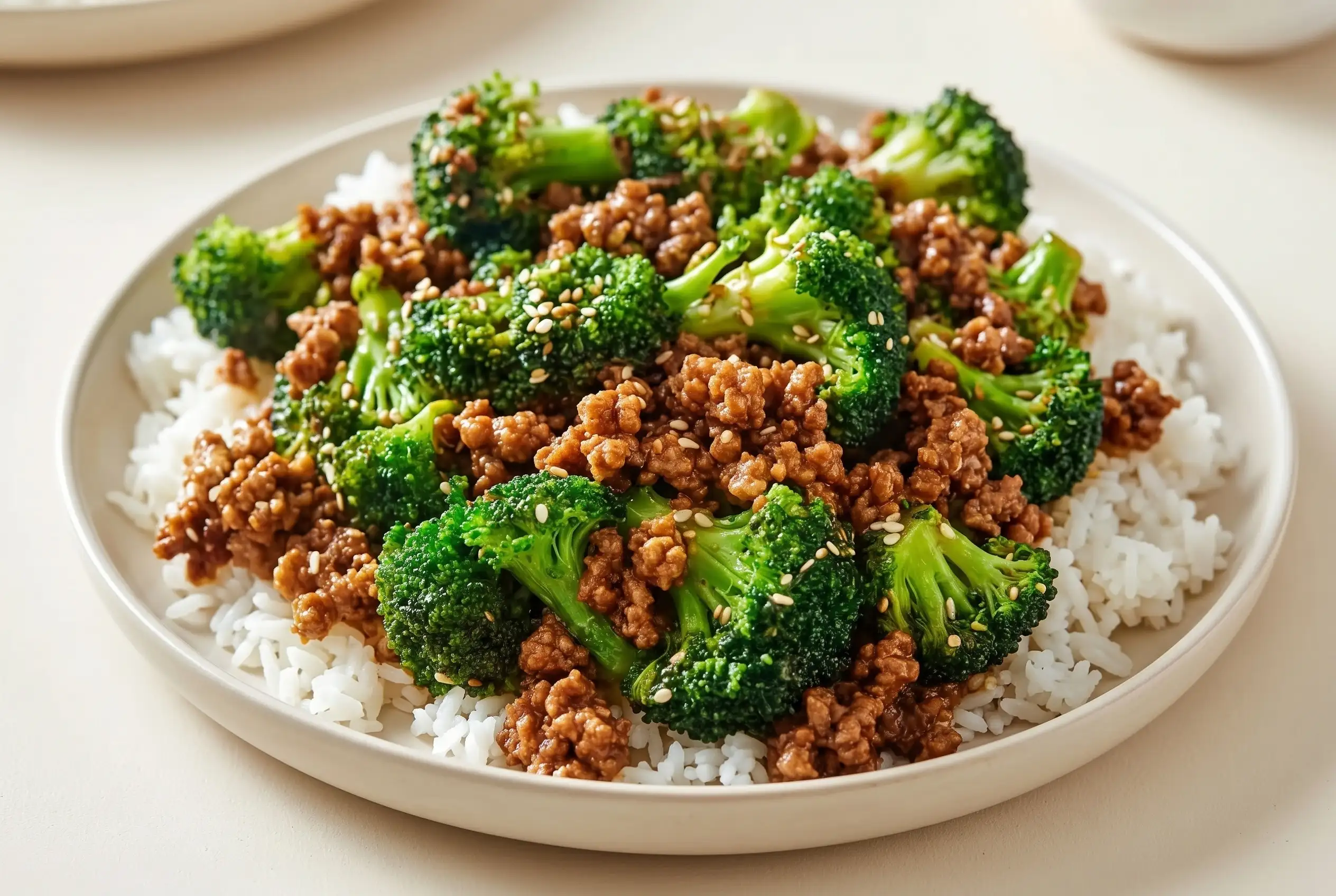
Korean Ground Beef Bowl brings browned ground beef, a sweet and savory soy-based sauce, garlic, ginger, rice, and fresh toppings together in one satisfying meal. The combination is quick enough for a weeknight while still giving the beef plenty of flavor and the bowl a pleasing mix of savory, sweet, spicy, and fresh elements.
Why Korean Ground Beef Bowl Works So Well
The appeal starts with the contrast between the seasoned beef and the mild rice underneath it. Soy sauce and brown sugar create the central sweet-salty profile, while sesame oil gives the mixture a distinctive toasted character. Garlic and fresh ginger keep the sauce from tasting flat.
Rice also gives the saucy beef a practical base. White rice keeps the bowl simple, while brown rice works when you want a heartier grain. Either choice lets the beef mixture remain the main focus without requiring a complicated side dish.
Optional broccoli adds another useful layer. Its mild flavor works with the sauce, and cooking it directly with the beef keeps the meal contained in one skillet. Green onions and sesame seeds can then provide a fresh finish and a little textural contrast.
Building the Sweet-Savory Beef Flavor
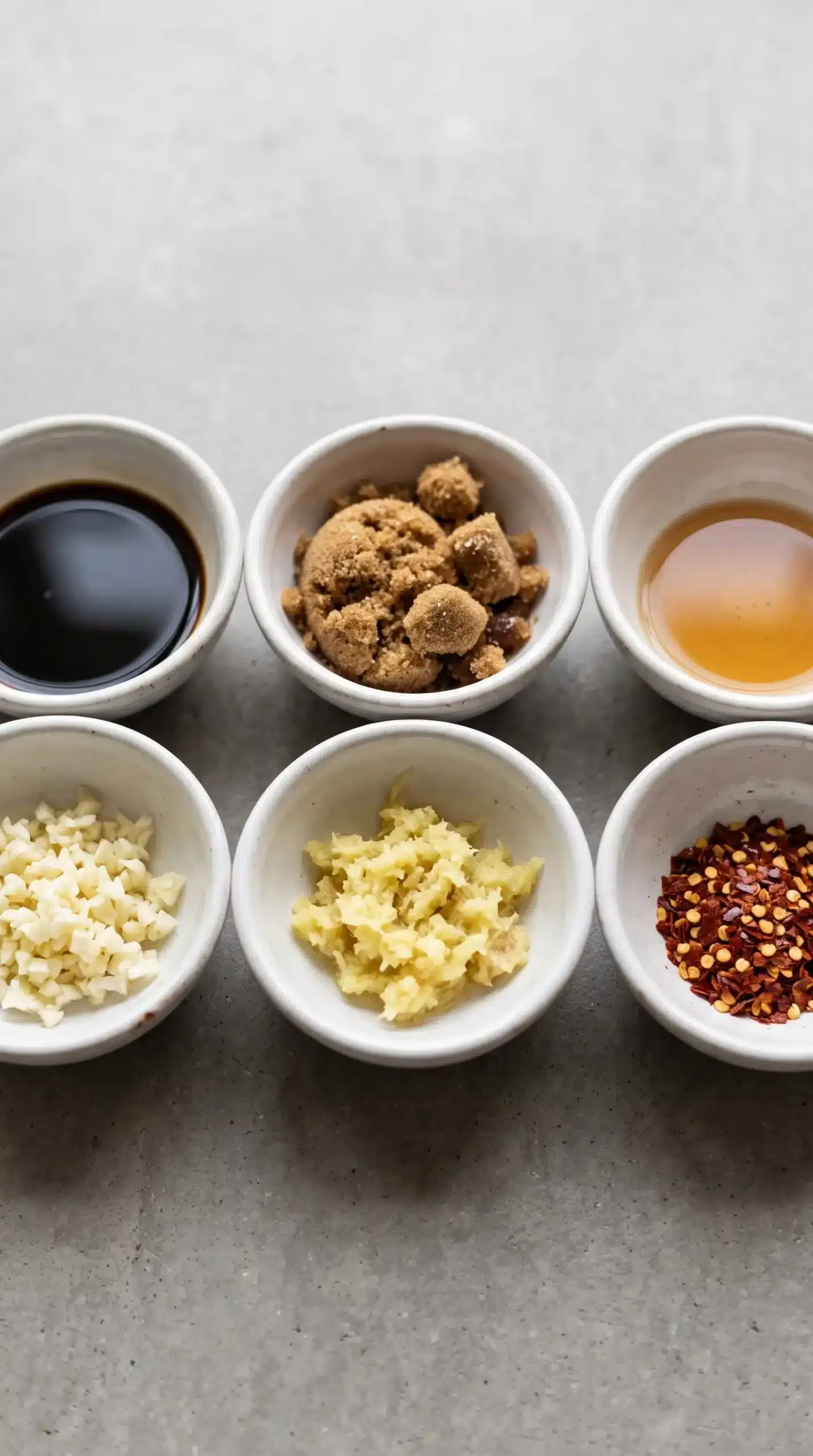
The sauce depends on a small group of ingredients that work together. Soy sauce supplies salt and savory depth, brown sugar contributes sweetness, and sesame oil rounds out the mixture with its rich sesame flavor. Garlic and grated ginger provide the aromatic foundation.
Red pepper flakes are the adjustable part of the seasoning. One teaspoon gives the bowl a noticeable spicy element, while adding more makes the finished beef hotter. Keeping the amount flexible makes the Korean ground beef bowl easier to adapt to different preferences.
Using freshly grated ginger is particularly useful because it distributes through the sauce more evenly than larger pieces. Minced garlic works in the same way, allowing both aromatics to mingle with the browned beef before the liquid seasonings are added.
Rice Gives the Bowl Its Best Base
Cooked white or brown rice provides the neutral foundation needed for the strongly seasoned beef. The rice does not need additional seasoning because the sauce from the skillet is meant to flavor each spoonful as it reaches the bowl.
Simple Choices for the Vegetable Addition
Broccoli is the supplied vegetable option, but the same flavor profile can accommodate other vegetables when you want more variety. Bell peppers or snap peas are suitable additions, giving the bowl a different texture while staying compatible with the sweet-savory beef mixture.
Keep the vegetable portion practical so it remains an accompaniment to the beef and rice. Broccoli florets should be cooked until tender, and alternative vegetables should receive enough heat to become pleasant to eat without overwhelming the seasoned beef.
| Vegetable choice | How it fits the bowl | Best consideration |
|---|---|---|
| Broccoli florets | Mild, tender vegetable element | Add directly to the skillet and cook until tender |
| Bell peppers | Sweet, crisp variation | Use as an alternative vegetable addition |
| Snap peas | Fresh, crisp variation | Add for a different vegetable texture |
Control the Skillet Before Adding Sauce
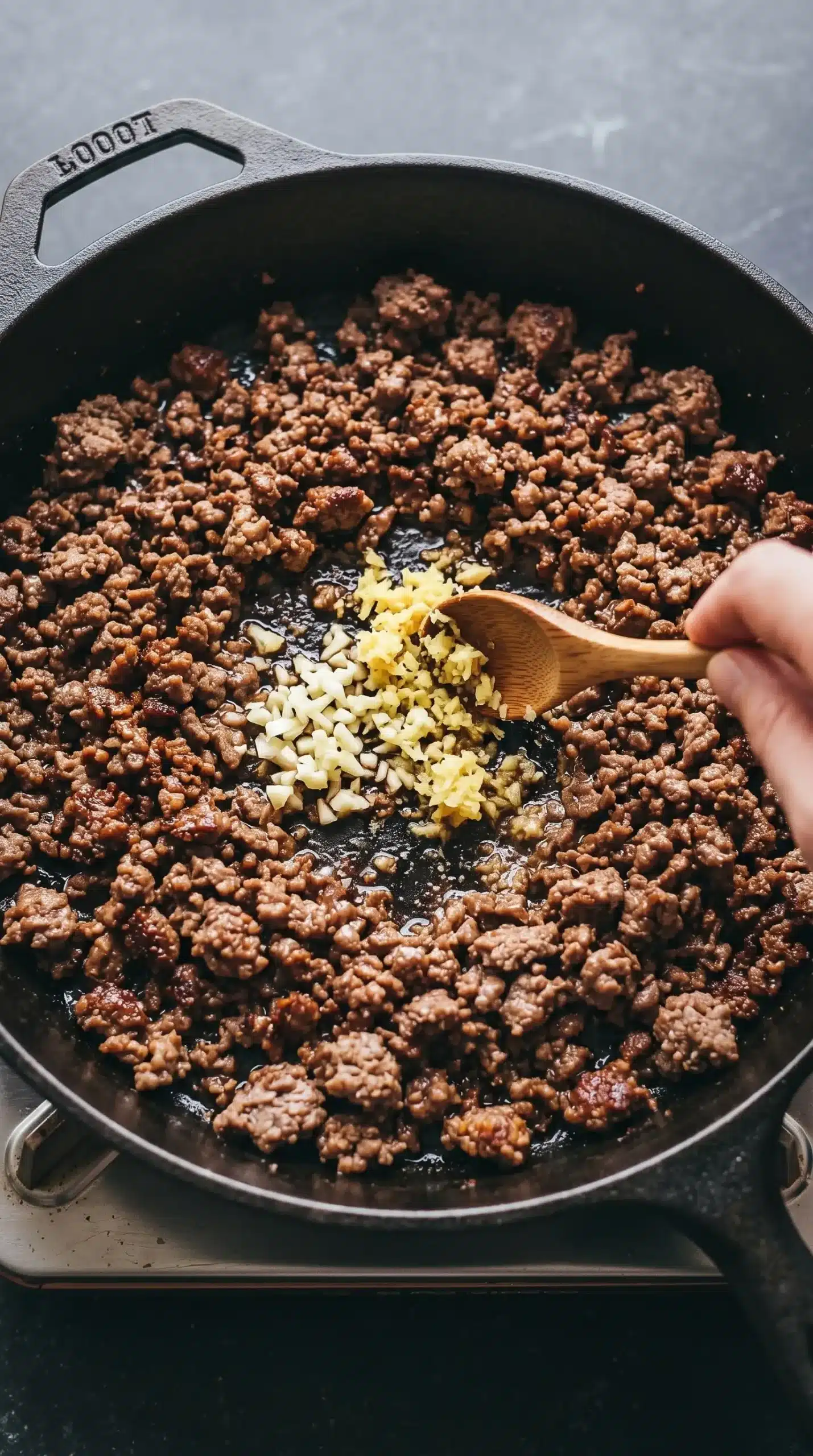
Ground beef needs to brown thoroughly while being broken apart as it cooks. Medium-high heat supports that process, and the beef should cook until browned before the aromatics enter the skillet. The supplied cooking time is about 5 to 7 minutes, although the observable cue is the browned beef itself.
Excess fat can be drained when necessary before garlic and ginger are added. Giving those aromatics about 2 minutes in the skillet helps them become fragrant and blend into the beef before the sauce ingredients arrive.
Once soy sauce, brown sugar, and sesame oil are stirred in, simmering reduces the sauce by allowing some of its water to evaporate, concentrating the remaining flavors and helping it thicken slightly. Keeping an eye on the consistency matters more than simply extending the cooking time; the mixture should remain saucy enough to coat the beef.
Keep the Sauce Balanced in Every Bite
The Korean ground beef bowl gets much of its character from proportion: salty soy sauce, sweet brown sugar, aromatic garlic and ginger, nutty sesame oil, and adjustable heat. Because these ingredients are added together after the beef browns, the sauce can coat the meat instead of remaining separate in the bowl.
A brief simmer is enough to bring the mixture together. Letting the sauce thicken slightly gives the beef a more cohesive texture, while the rice underneath catches the flavorful juices when the bowl is assembled.
Finish the Bowl With Fresh Contrast
Sliced green onions belong at the end, where their fresh flavor can stand apart from the warm beef. Sesame seeds are optional, but they add a small amount of crunch and reinforce the sesame note already present in the sauce.
Common Korean Ground Beef Bowl Mistakes to Avoid
Skipping the browning stage can leave the beef without the savory base that makes the bowl satisfying. Break the meat apart as it cooks and wait until it is browned before moving forward.
Adding the aromatics too early can make it harder to manage their short cooking window. Garlic and ginger need only about 2 minutes after the beef has browned, so adding them at that point keeps their flavor integrated with the meat.
Overlooking sauce consistency can make the finished bowl feel unbalanced. The soy sauce mixture should simmer for a short period and thicken slightly before serving. A watery mixture will not cling to the beef as effectively.
Overcooking the broccoli can take away the useful contrast it brings to the bowl. When using broccoli, cook it until tender for about 3 to 4 minutes, stirring frequently.
Spice Levels Can Change Without Changing the Bowl
Red pepper flakes provide the easiest way to adjust the heat. The supplied amount is one teaspoon, but the seasoning can be increased when a stronger spicy kick is wanted. A splash of hot sauce is another option mentioned for adding more heat.
Lean Beef or Alternative Proteins
Lean ground beef can be used when you prefer less fat in the finished meal. The original preparation uses ground beef, with an 80/20 blend suggested for flavor, while the recipe also allows ground turkey or chicken as alternatives.
For a meat-free variation, lentils or tofu can take the place of the beef and be cooked in the same sauce. That preserves the sweet-savory seasoning profile while changing the main protein source.
- Ground beef: keeps the original savory character of the bowl.
- Ground turkey or chicken: provides a poultry-based alternative; monitor cooking because these meats may cook faster.
- Lentils or tofu: create a plant-based variation using the same sauce.
Serving Ideas for a Complete Bowl
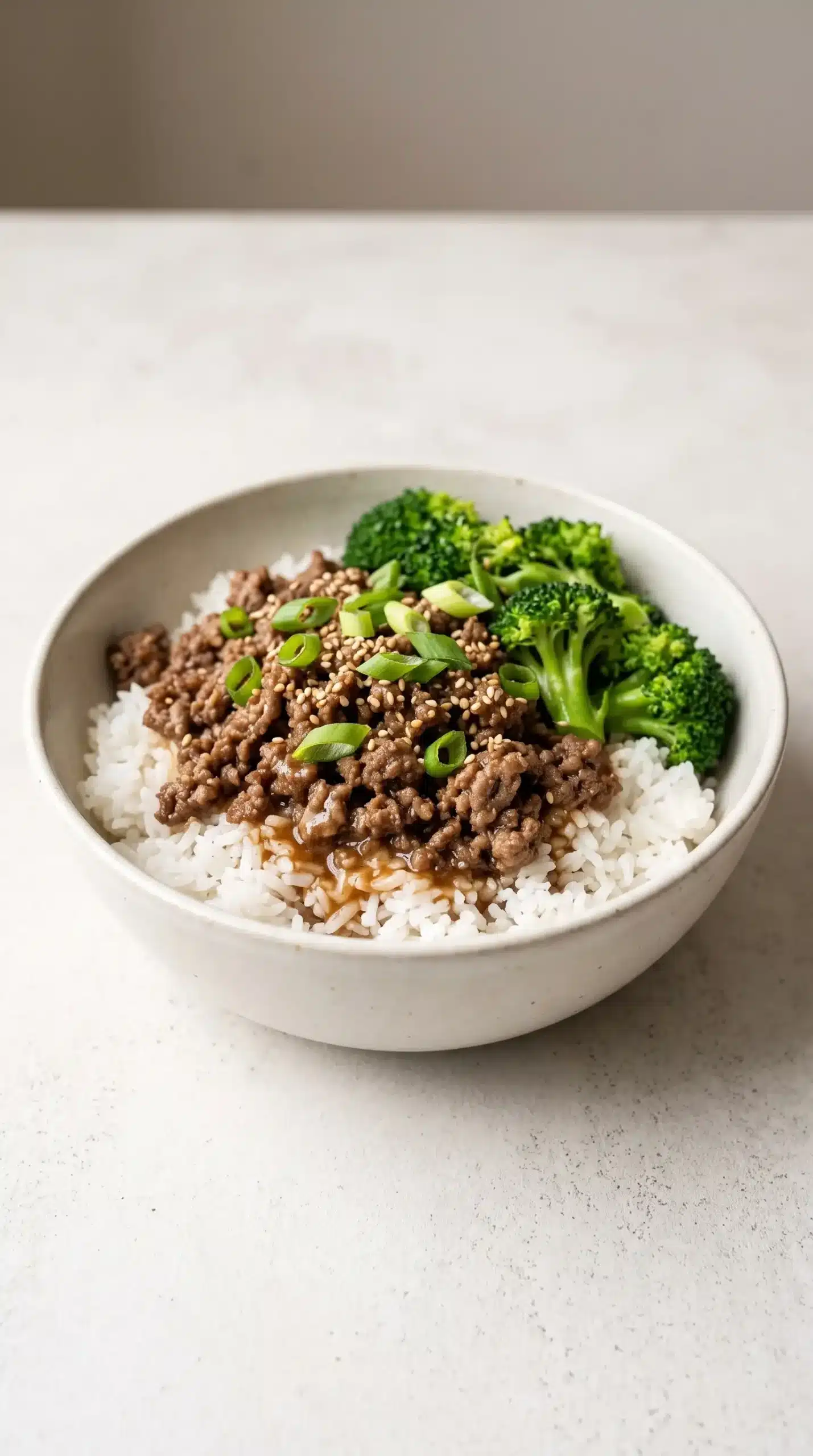
Serve the beef mixture hot over cooked rice so the sauce can mingle with the grains. White rice keeps the presentation familiar and simple, while a Korean beef bibimbap bowl uses the same rice-centered format with beef and fresh toppings.
Green onions and sesame seeds can be scattered over the top immediately before eating. Their fresh and crunchy qualities give the warm beef and rice a little more contrast without introducing another complicated preparation.
Storage and Reheating for Leftovers
Leftover beef and rice can be placed together in an airtight container and refrigerated for up to 3 days. Keeping the components contained makes the leftovers convenient to portion and reheat.
When you are ready to eat, reheat the stored meal in the microwave or on the stove until hot. The beef mixture can also be frozen separately for up to 3 months, then thawed in the refrigerator overnight before reheating.
What Makes This Korean Beef Bowl Easy to Customize
Customization works best when the central sweet-savory beef and rice combination stays intact. Broccoli can be included or omitted, while bell peppers and snap peas offer additional vegetable choices. Heat can also move up or down through the red pepper flakes or hot sauce.
Rice provides another straightforward choice because both white and brown rice are compatible with the beef mixture. Protein can change as well, with ground turkey, chicken, lentils, or tofu offering alternatives while the sauce remains the defining flavor.
Balanced Flavor Is the Key to Korean Ground Beef Bowl
Browned beef, a lightly thickened soy-based sauce, and cooked rice establish the core of a Korean ground beef bowl. Garlic and ginger deepen the sauce, while the sweetness from brown sugar and heat from red pepper flakes keep the flavor profile lively.
Serving the beef hot over rice and finishing with green onions and optional sesame seeds keeps each component distinct while allowing the sauce to connect the bowl. Small choices such as draining excess fat, watching the sauce consistency, and cooking vegetables only until tender have the biggest effect on the finished meal.
Korean Ground Beef Bowl Questions About Spice and Storage
Can the Korean ground beef bowl be made less spicy?
Yes. Red pepper flakes are adjustable, so using less than the supplied amount lowers the heat. Hot sauce can also be left out entirely when a milder bowl is preferred.
Is brown rice suitable for a Korean ground beef and rice bowl?
Yes. The recipe specifically allows either white or brown rice. Brown rice changes the grain choice without requiring a different beef sauce or vegetable preparation.
How should the beef mixture be frozen?
The beef mixture can be frozen for up to 3 months. Thaw it in the refrigerator overnight before reheating so it is ready to warm through evenly.
Can broccoli be left out of the Korean ground beef bowl?
Yes. Broccoli is optional, so the bowl can be prepared with the beef and rice alone. Bell peppers or snap peas can also be used when a different vegetable is desired.
What can replace soy sauce?
Tamari can be used as a gluten-free option, while coconut aminos can serve as another soy sauce alternative. Both are suggested specifically as substitutes for the soy sauce in the bowl.
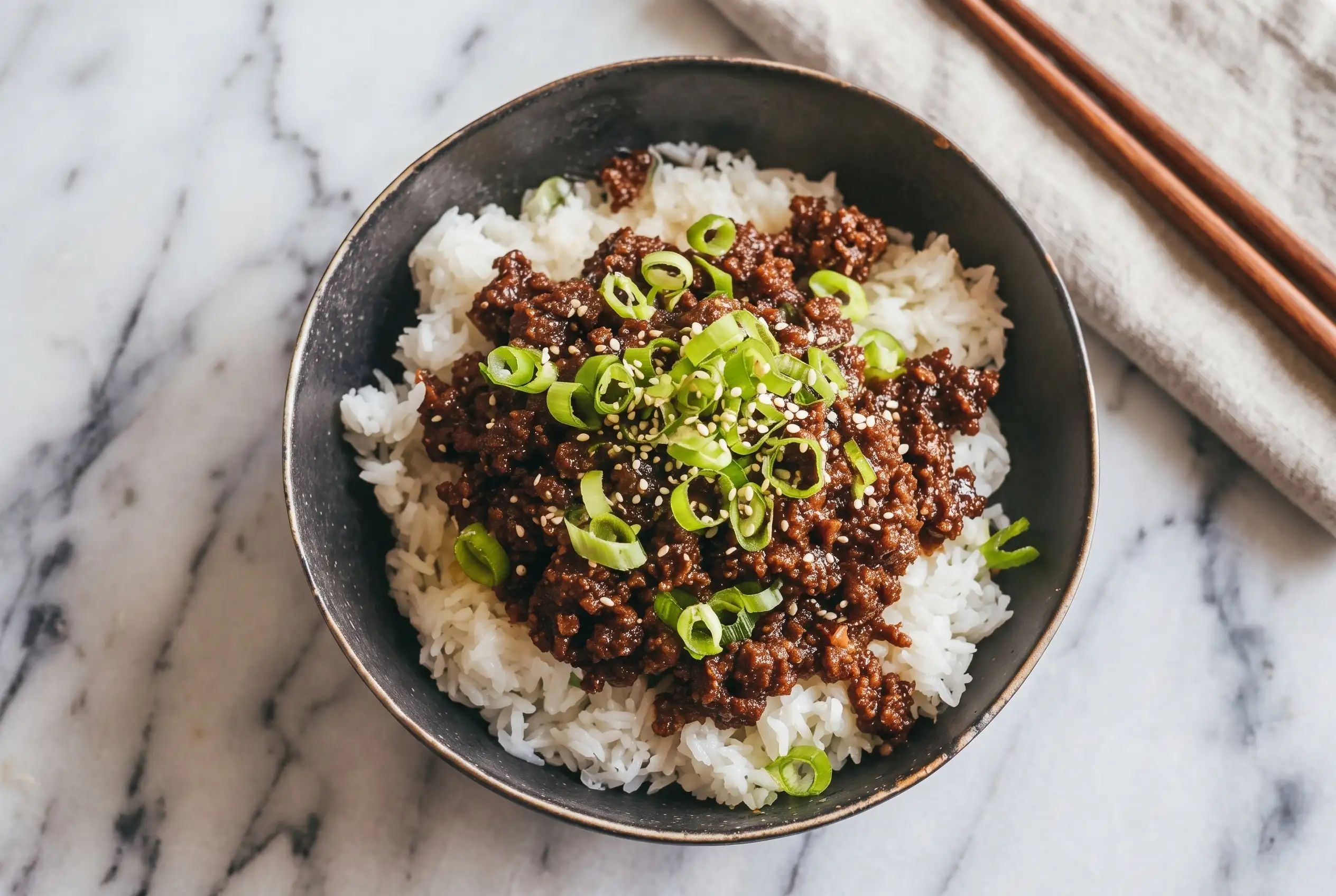
Korean Ground Beef Bowl with Sweet and Savory Sauce
Ingredients
Method
- Warm a large skillet over medium-high heat. Add the ground beef and cook for 5–7 minutes, breaking it into smaller pieces as it browns.
- Remove excess fat from the skillet if needed. Stir in the minced garlic and grated ginger, then cook for 2 minutes.
- Pour in the soy sauce and sesame oil, then add the brown sugar and red pepper flakes. Stir everything together and simmer for 3–4 minutes, until the sauce has thickened slightly.
- If using broccoli, add the florets to the skillet and cook for 3–4 minutes, stirring often, until tender.
- If the rice is not already cooked, prepare it according to the package instructions while the beef cooks.
- Portion the 2 cups of cooked rice into bowls and spoon the Korean ground beef mixture over the top.
- Finish with the sliced green onions and optional sesame seeds. Serve hot.