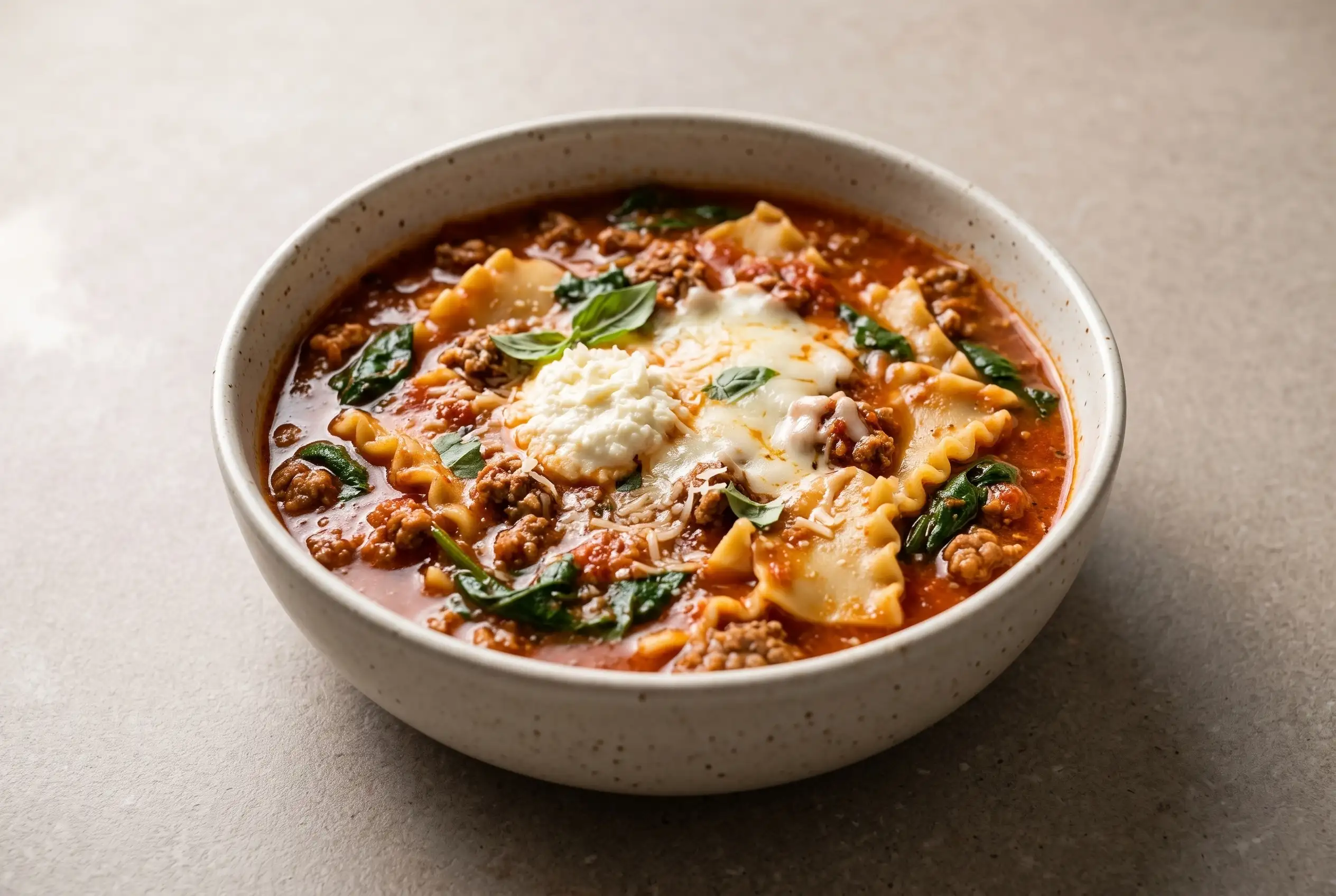
White Bean Soup with Cannellini Beans and Potatoes
White bean soup brings together creamy cannellini beans, tender potatoes, aromatic vegetables, spinach, rosemary, and a savory tomato-wine base for a satisfying bowl with plenty of texture. The ingredients are simple, yet a few cooking choices make a noticeable difference in the finished soup.
The combination works especially well for an easy white bean soup because the beans provide substance while the vegetables create a flavorful foundation. Olive oil, garlic, rosemary, tomato paste, and a small amount of white wine give the broth depth without requiring a complicated preparation.
Why White Bean Soup Feels So Satisfying
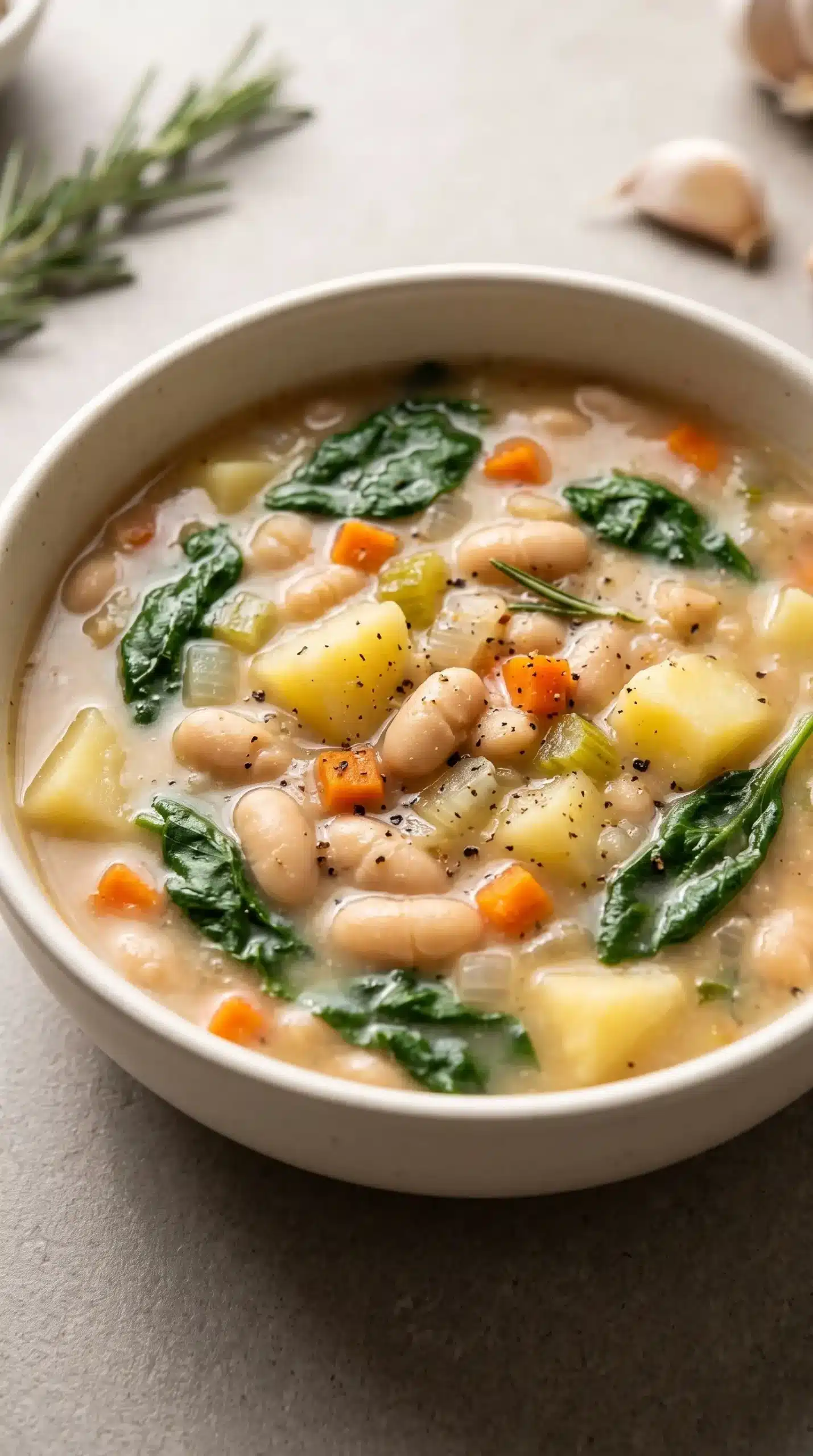
Cannellini beans make the soup substantial and naturally creamy as they cook alongside potatoes and vegetables. Their mild flavor also gives the other ingredients room to stand out, so the bowl can taste hearty without relying on a long ingredient list.
The onion, carrot, and celery combination is known as mirepoix, a classic aromatic base used to build flavor in soups and other dishes.
Potatoes contribute another layer of comfort while the carrot, celery, onion, and optional spinach bring variety to each spoonful. Keeping the potato pieces substantial enough to remain distinct helps preserve the hearty texture found in a potato-centered soup.
For a flavorful white bean soup, the early sauté matters. Softening the onion, carrot, and celery before adding the liquid creates a more developed base, while briefly cooking the garlic, tomato paste, rosemary, and beans helps bring the savory elements together before the broth goes in.
Cannellini Beans Give the Soup Its Creamy Foundation
Canned cannellini beans or other white beans are the most direct choice for the supplied preparation. Draining them before they enter the pot keeps the intended liquid balance consistent and lets the vegetable broth or hot water become the main cooking liquid.
Dried beans can also work, but they need to be soaked overnight and cooked until tender before joining the soup. That extra preparation changes the starting point, so they should not be treated as though they were going directly into the pot in their dry state.
| Bean choice | Preparation before soup | Best use |
|---|---|---|
| Canned cannellini beans | Drain and add to the pot | Fastest approach for an easy white bean soup |
| Canned white beans | Drain and add to the pot | Simple alternative when cannellini beans are unavailable |
| Dried white beans | Soak overnight and cook until soft | Useful when starting with dried beans |
The Vegetable Cut Shapes the Finished Bowl
Dice the onion, celery, and carrot into reasonably similar pieces so their textures develop together during the initial cooking. The potatoes should be peeled and cut into chunks, giving them enough presence to remain noticeable while becoming tender in the simmering soup.
Tomato Paste and White Wine Build Savory Depth
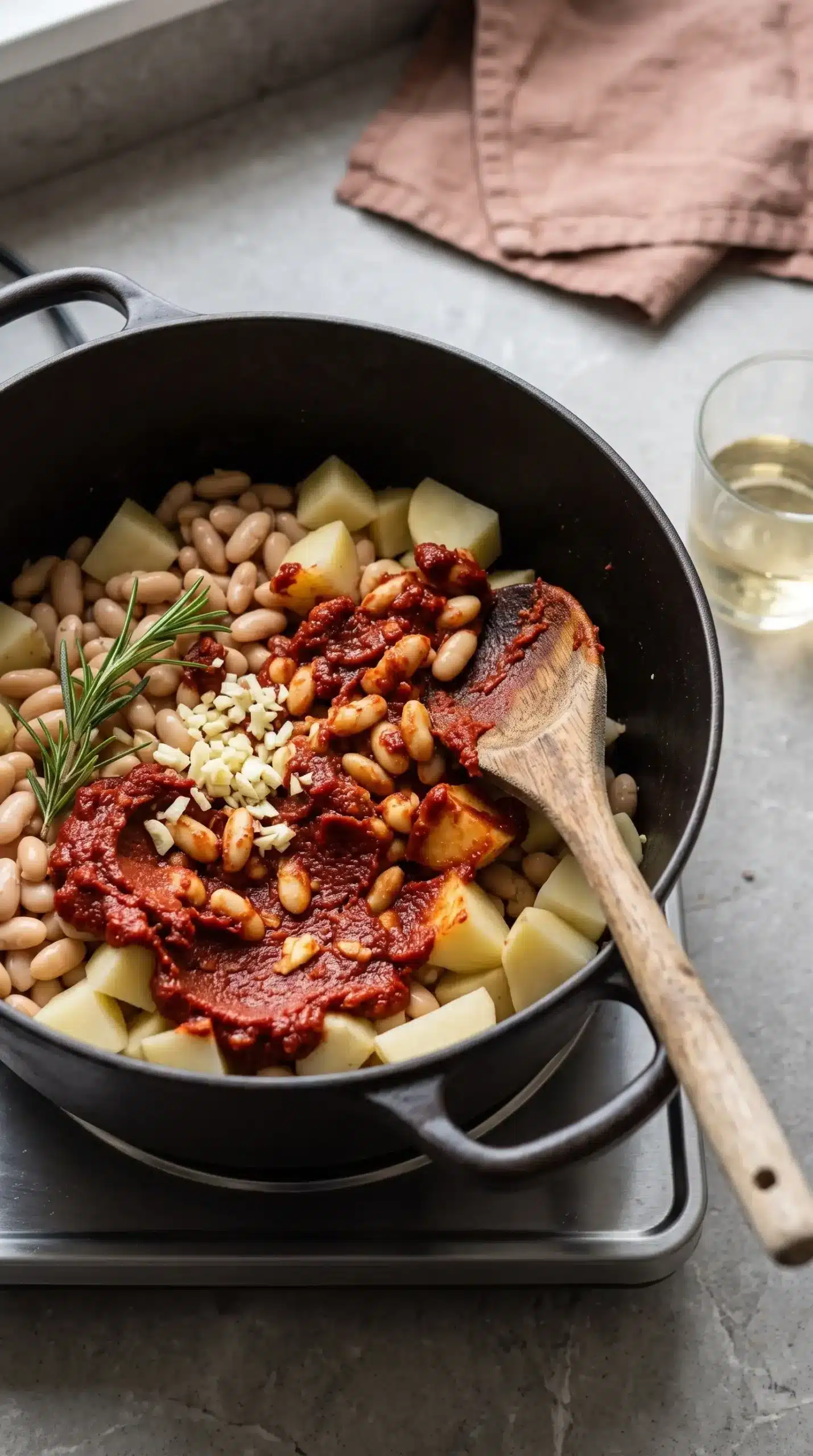
Tomato paste has a small but important role in the flavor foundation. It joins the beans, potatoes, garlic, and rosemary before the liquid is added, giving the soup a deeper savory character without turning it into a tomato soup.
White wine is added after those ingredients have had a brief turn in the pot. Letting it simmer for about a minute allows it to evaporate before the broth or hot water is introduced, keeping its contribution focused on flavor rather than excess liquid.
Rosemary gives the soup a distinct herbal note, while paprika can provide an optional gentle seasoning accent. A whole rosemary sprig is especially convenient because it can be removed before serving, leaving its flavor behind without requiring the leaves to remain in every spoonful.
Texture Comes From Potatoes and Partially Broken Beans
The finished white bean soup should be thick and creamy when the potatoes are soft. That texture comes from the combination of beans and potatoes cooking in a relatively concentrated amount of vegetable broth or hot water.
If a smoother consistency appeals to you, blend part of the soup before serving. Keeping some beans, potatoes, and vegetables intact preserves the hearty character while the blended portion adds extra creaminess.
Watch These Cooking Cues for Better White Bean Soup
Cooking by observation is particularly useful here because the vegetables and potatoes determine when the soup is ready. The onion should soften and become translucent during the initial sauté, while the potatoes should become soft during the covered simmer.
| Stage | What to observe | What it tells you |
|---|---|---|
| Vegetable sauté | Onion is soft and translucent | The aromatic base is ready for the next ingredients |
| Wine addition | Wine simmers for about one minute | The wine has had time to evaporate before liquid is added |
| Covered simmer | Potatoes are soft and soup is thick and creamy | The soup is ready to come off the heat |
Once the soup reaches the desired texture, remove the rosemary sprig and taste it. Salt and black pepper can be adjusted at the end, which makes it easier to respond to the flavors of the beans, broth, vegetables, and other seasonings already in the pot.
Small Timing Choices Keep the Soup Balanced
Start with medium heat while cooking the onion, carrot, and celery in olive oil. Stirring during this stage helps the vegetables soften evenly and creates the base needed for the remaining ingredients.
After the broth or hot water, spinach, salt, and pepper are added, bring the pot to a boil before covering it and reducing the heat. A gentle simmer allows the potatoes to soften without turning the cooking process into an unnecessarily aggressive boil.
Once the potatoes are tender, remove the pot from the heat instead of continuing to cook simply for the sake of time. Prolonged cooking can change the balance between the soft vegetables, beans, potatoes, and remaining liquid.
Common White Bean Soup Mistakes to Avoid
Skipping the vegetable sauté: Adding the liquid immediately misses the stage where the onion, carrot, and celery soften and establish the soup’s base. Give them the specified cooking time before moving forward.
Keeping the wine in too long: The white wine only needs about a minute of simmering before the broth or hot water arrives. Allowing it to evaporate at this point keeps the intended balance of liquid and flavor.
Leaving the rosemary sprig in the pot: The supplied preparation uses a sprig that is removed before serving. Taking it out once the soup is finished keeps the herbal element from becoming an unwanted whole ingredient in the bowl.
Olive Oil and Crusty Bread Complete Each Bowl
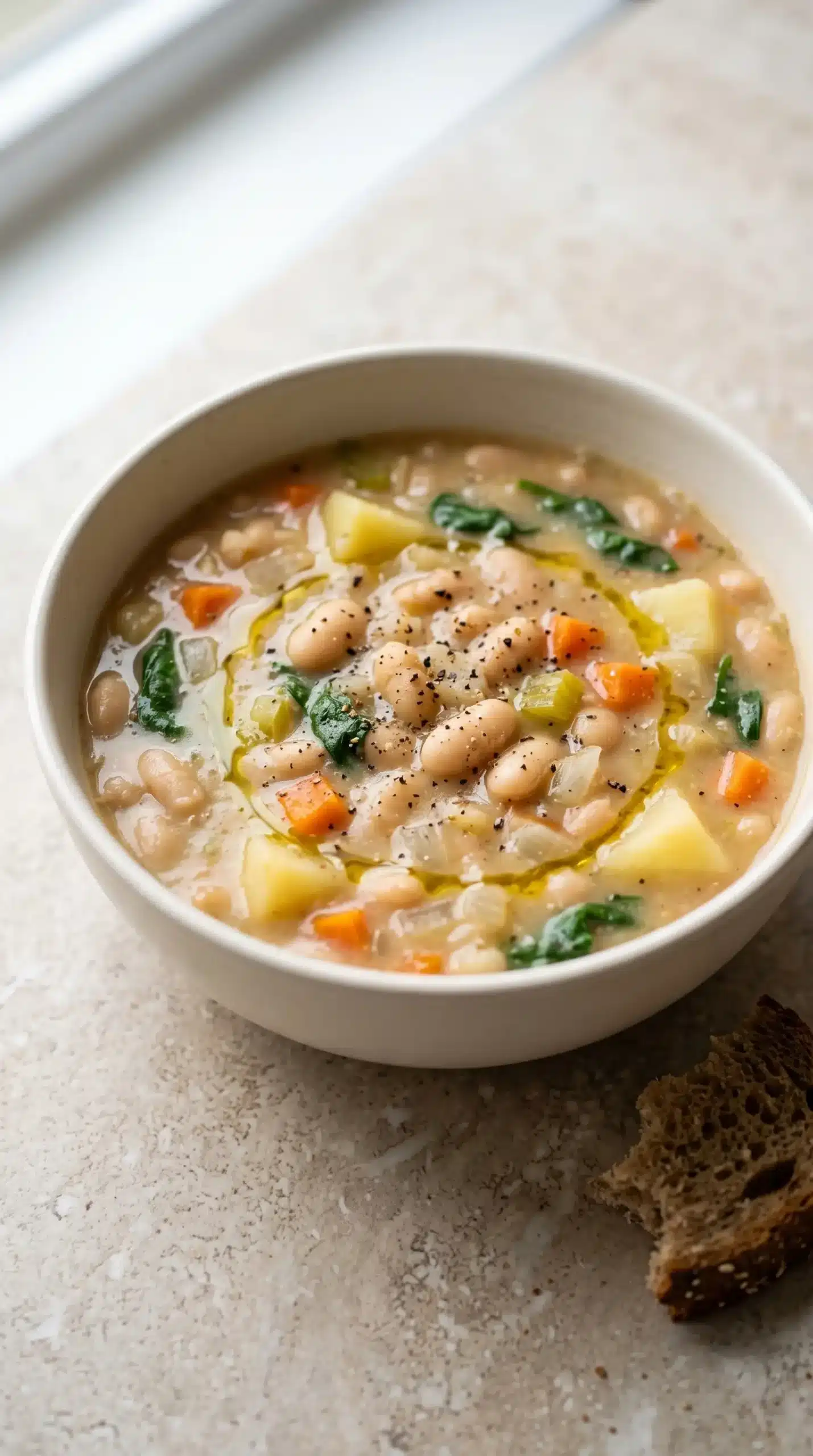
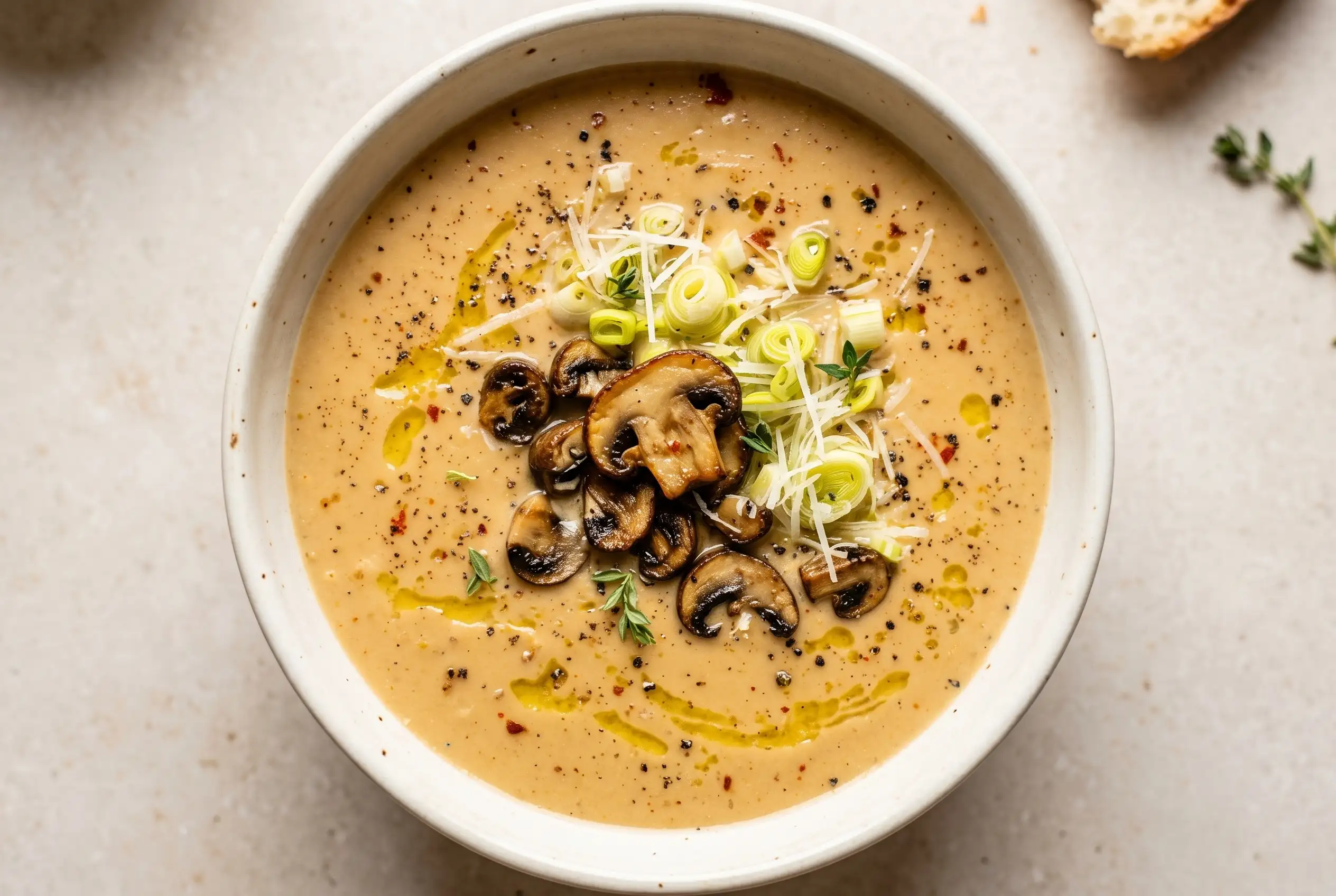
Serve white bean soup hot, finishing each bowl with a drizzle of olive oil and an optional scattering of black pepper. Crusty whole grain bread makes a natural accompaniment, while freshly grated Parmesan can be added when a richer, more savory finish is wanted.
Leftover White Bean Soup Keeps Well
Transfer leftovers to an airtight container and refrigerate them for up to 3 days. Let the soup cool completely before moving it into the freezer if you plan to store it there.
For longer storage, white bean soup can be frozen for up to 3 months. Portioning leftovers into practical serving amounts can make later reheating more convenient while keeping the storage process straightforward.
Flexible Add-Ins Can Change the Character
The base can accommodate additional vegetables such as bell peppers or zucchini, while different herbs and spices can shift the flavor. Red pepper flakes are suitable when a spicier character is wanted, and sausage or chicken can make the soup heartier for those who include meat.
Beans and Vegetables Make a Nutrient-Dense Combination
White bean soup gets protein and fiber from the beans, while the vegetables contribute vitamins and minerals. Olive oil supplies healthy fats, and optional spinach adds another vegetable component without changing the basic structure of the dish.
A Make-Ahead Bowl Gains From Resting
Preparing the soup a day ahead is a practical option when you want the cooking finished before serving. The flavors have additional time to blend, making advance preparation particularly convenient for lunch or dinner.
When serving leftovers or a prepared-ahead batch, bring the soup back to a pleasant serving temperature and check the seasoning. Salt and pepper can be adjusted to suit the way the flavors have developed during storage.
White Bean Soup Works Best When Texture Guides the Finish
Soft potatoes, tender vegetables, creamy beans, and a thick broth define the intended character of white bean soup. The most useful cooking judgment comes at the end: once the potatoes are soft and the soup has reached that thick, creamy consistency, remove the rosemary, taste, and make the final seasoning adjustment.
That approach keeps the dish flexible without losing its identity. Whether served with olive oil and bread or finished with Parmesan, the best white bean soup depends on recognizing when the ingredients have reached the right texture and stopping at that point.
White Bean Soup Questions About Beans, Storage, and Flavor
Can dried beans replace canned cannellini beans?
Yes. Dried white beans need to be soaked overnight and then cooked until soft before they are added to the soup. They therefore require separate preparation before following the soup’s cooking process.
Can the soup be made without spinach?
Yes. The spinach is optional, so it can be left out without requiring another ingredient to replace it. The beans, potatoes, and other vegetables still provide the core structure of the soup.
How can white bean soup be made creamier?
Blend part of the finished soup before serving. Leaving a portion unblended gives you a combination of creamy liquid and intact beans, potatoes, and vegetables instead of turning the entire pot smooth.
What can be used instead of vegetable broth?
Hot water can be used in its place. The supplied ingredient combination allows either vegetable broth or hot water, so the soup can be prepared with whichever of those two liquids is available.
Is white bean soup vegan without Parmesan?
Yes. The soup is vegan when prepared with vegetable broth or hot water and served without cheese. Parmesan is an optional finishing ingredient, so leaving it off keeps the bowl plant-based.
Can Parmesan be added at serving time?
Yes. Freshly grated Parmesan can be sprinkled over individual bowls for additional flavor. Because it is optional, diners can add it according to preference.
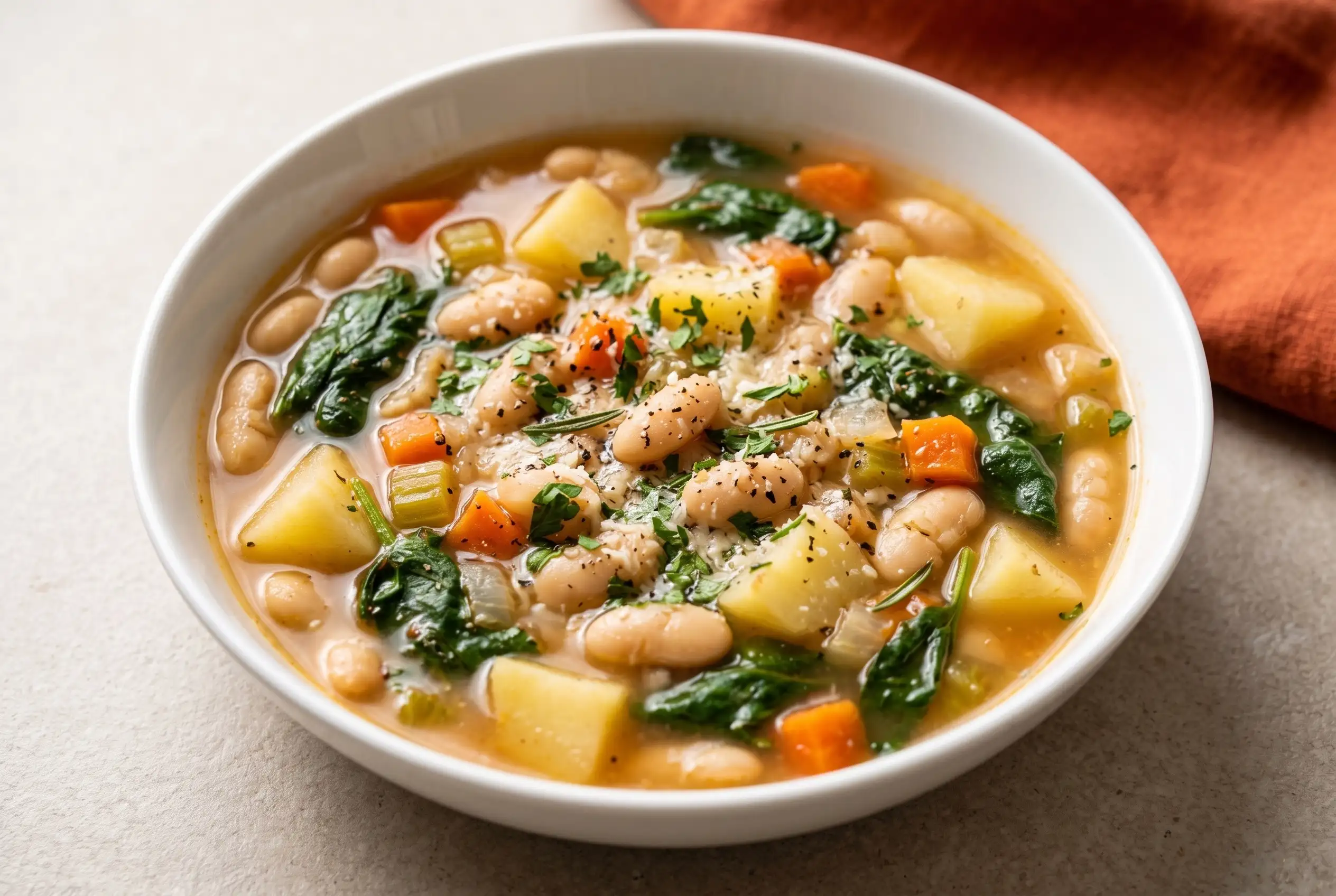
White Bean Soup with Cannellini Beans and Potatoes
Ingredients
Method
- Heat the olive oil in a large pot over medium heat. Add the onion, carrot, and celery, then cook for about 5 minutes, stirring occasionally, until the onion becomes soft and translucent.
- Stir in the garlic, cannellini beans, tomato paste, potatoes, rosemary, and paprika if using. Cook for about 1 minute, stirring frequently.
- Add the white wine and simmer for 1 minute, stirring as it cooks, until the wine has evaporated.
- Add the frozen spinach, vegetable broth, salt, and black pepper. Bring the soup to a boil.
- Cover the pot, lower the heat, and gently simmer for 15 minutes, or until the potatoes are tender and the soup has become thick and creamy.
- Take the pot off the heat and remove the rosemary sprig. Taste and adjust the salt and black pepper as needed.
- Ladle the hot soup into bowls and drizzle with olive oil and additional black pepper if desired. Serve with crusty whole grain bread and optionally add freshly grated Parmesan cheese.